USA and Indian Food: What Americans Love from Mysore Cuisine
When people in the USA, the United States of America, a country with diverse food cultures and growing interest in global cuisines think of Indian food, they often picture curry and naan. But beyond the well-known dishes, a quieter revolution is happening: Mysore cuisine, a regional South Indian tradition from the city of Mysore, known for its balanced spices, fermented batters, and plant-based staples is finding a home in American kitchens. It’s not about fancy ingredients or complicated techniques—it’s about simple, flavorful food that works with everyday meals. From breakfasts to snacks, Mysore-style dishes are showing up on brunch tables, lunchboxes, and dinner plates across the country.
One big reason? dosa, a thin, crispy fermented rice and urad dal crepe that’s naturally gluten-free and vegan. Americans love it because it’s easy to make ahead, reheats well, and pairs with almost anything. Whether it’s topped with coconut chutney or served with sambar, it’s become a go-to for people looking for something different from pancakes or toast. Then there’s chutney, a tangy, spicy condiment that replaces ketchup, salsa, or mustard in many homes. People in the USA are discovering that a spoonful of tamarind or mint chutney can turn a plain sandwich, grilled cheese, or even roasted vegetables into something exciting. These aren’t exotic imports—they’re practical, tasty, and surprisingly easy to make with ingredients you can find at any grocery store.
What ties all this together? It’s not just flavor—it’s function. Mysore food doesn’t need fancy tools. No pressure cookers, no special ovens. Just a skillet, some rice, lentils, and spices you probably already have. That’s why it’s catching on. People in the USA aren’t just cooking Indian food—they’re adapting it. They’re using dosa batter for pancakes, adding curry leaves to scrambled eggs, and keeping a jar of coconut chutney in the fridge like they would salsa. And they’re asking questions: Why does lemon make biryani taste better? How do you stop coconut milk from curdling? Why does my dosa turn out soft? The answers are simple, and they’re all here.
Below, you’ll find real answers to real cooking problems—from fixing soggy dosas to understanding why chutney isn’t just salsa. No fluff. No theory. Just what works in a home kitchen, whether you’re in New York, Texas, or Oregon. If you’ve ever wondered how to make Indian food that actually tastes like it should, you’re in the right place.
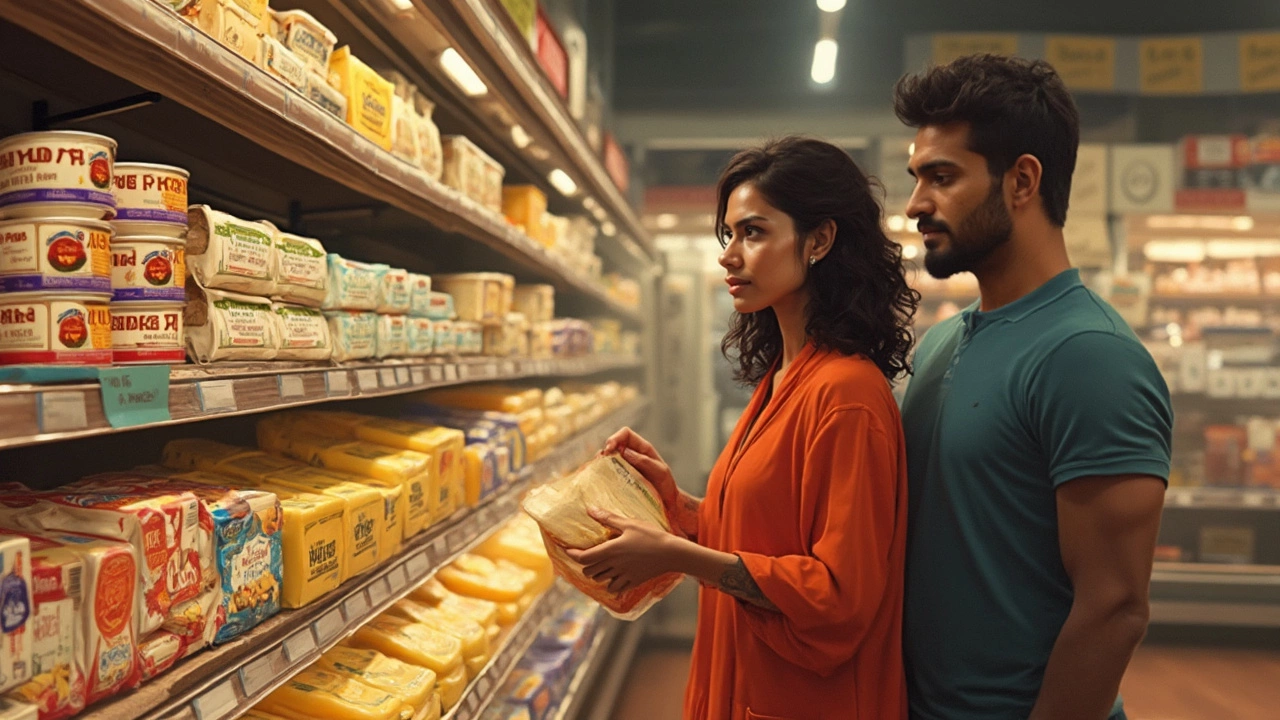
What is Paneer Called in the USA? Easy Answers for Homemade Cheese Fans
If you've ever tried to buy paneer in the USA, you've probably noticed it goes by different names in American stores. This article explains what paneer is called in the States, how it compares to other cheeses, and gives you tips for making and finding homemade paneer. Whether you're a new cook or just missing the taste of real paneer, you'll find helpful info here.
learn more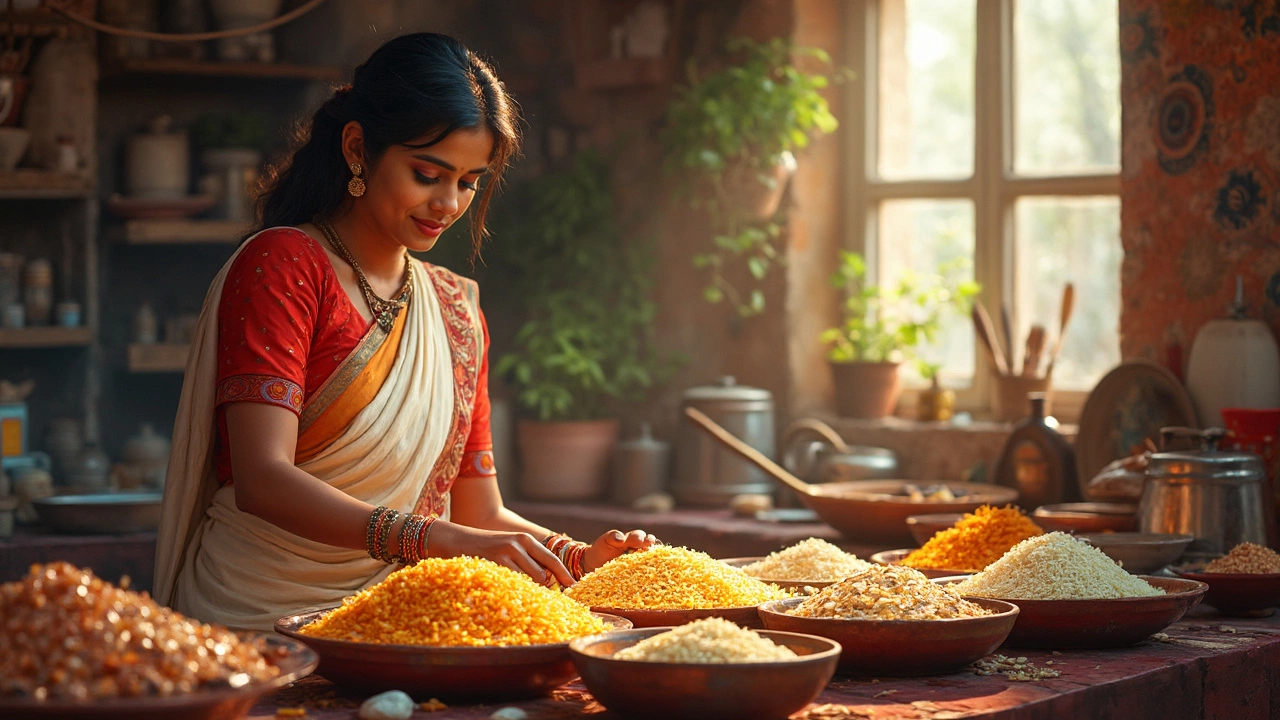
Choosing the Right Rice for Dosa Batter in the USA
Picking the right rice for dosa batter can make all the difference in your dosa-making experience. This article explores various types of rice available in the USA that are perfect for dosa batter. You'll also find handy tips and some fascinating insights into the dosa-making tradition. Whether you're a seasoned dosa maker or a beginner, this guide will help you perfect your batter.
learn more