Urad Dal Soaking Time: How Long to Soak for Perfect Dosa and Idli
When you're making urad dal, a key lentil in South Indian cooking, often used for dosa, idli, and vada batter. Also known as black gram, it's the secret behind that airy, crisp texture in your favorite breakfasts. Get the soaking time wrong, and your dosa turns soggy, your idli stays dense, and your batter refuses to ferment. It’s not magic—it’s science. Urad dal needs time to absorb water, soften, and release the starches that help fermentation happen. Most recipes say 4–6 hours, but that’s just the baseline. In cooler climates, or if you’re using older dal, you might need 8–12 hours. The goal? Soft, plump grains that crush easily between your fingers, not crunchy bits that ruin the batter’s smoothness.
Soaking isn’t just about water—it’s about activating enzymes. That’s why you never skip rinsing the dal before soaking. Dirt, dust, or leftover husk can slow down fermentation or even spoil the batch. And don’t soak it in hot water. Cold or room-temperature water is best. Some people add a pinch of salt or a teaspoon of rice flour to help with texture, but that’s optional. The real game-changer? Pairing urad dal with rice in the right ratio. Most traditional recipes use 1 part urad dal to 3 parts rice, because the dal provides lift, and the rice gives structure. Together, they create the perfect balance for fermentation. If your batter doesn’t rise, it’s rarely because of yeast—it’s because the dal wasn’t soaked long enough to release its natural sugars, which feed the good bacteria.
Temperature matters too. If your kitchen is cold, wrap the soaked dal or batter in a towel and leave it near a warm spot—like a turned-off oven with the light on. Waiting for fermentation? Don’t rush it. A 12-hour soak followed by an 8-hour ferment is better than a 3-hour soak and a rushed 4-hour ferment. You’ll notice the difference in taste, texture, and how your body handles it—properly fermented batter is easier to digest and less likely to cause bloating. That’s why so many South Indian households swear by soaking urad dal overnight. It’s not tradition for the sake of tradition—it’s because it works.
Below, you’ll find real fixes from people who’ve been there: batter that didn’t rise, dosa that stuck to the pan, idli that fell flat. These aren’t theory pages—they’re practical, tested solutions from cooks who learned the hard way. Whether you’re new to South Indian cooking or just tired of soggy dosas, the posts here give you exactly what you need to get it right—no fluff, no guesswork, just results.
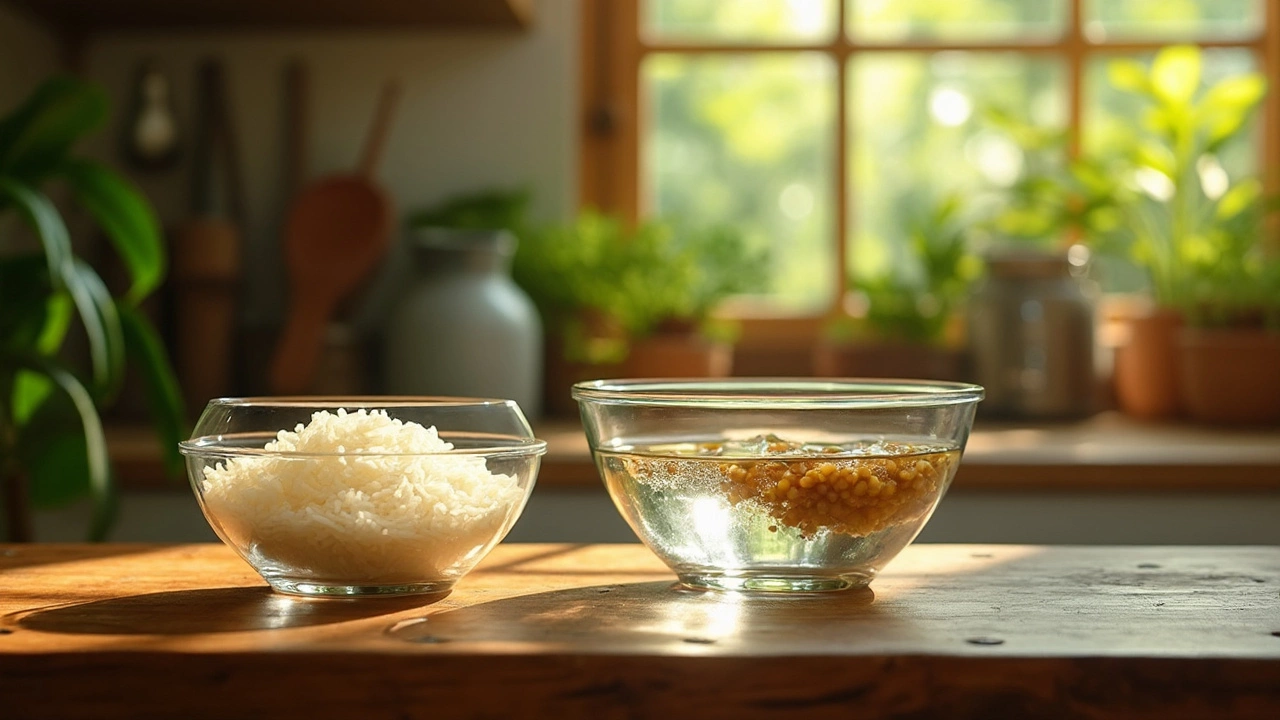
How Many Hours to Soak Rice and Urad Dal for Idli Batter
Ever wondered how long you really need to soak rice and urad dal for the best idlis? This article breaks down the exact soaking times and why they matter, steering clear of guesswork. You'll also find practical tips to fix soaking mistakes and speed up the process on busy days. We'll talk about how temperature affects soaking, plus sneaky hacks for fluffier, softer idlis. If you've been getting dense or flat idlis, this guide helps you get it right every single time.
learn more