Unhealthy Food Consumption: What You're Really Eating and Why It Matters
When we talk about unhealthy food consumption, the regular intake of foods high in sugar, salt, and refined fats that harm long-term health. Also known as poor dietary habits, it’s not just about eating too much—it’s about eating the wrong things, even when you think you’re being careful. Many of us assume we’re eating well because we skip fried snacks or avoid sweets. But what about the packaged masala mixes, ready-to-eat dosa batter, or store-bought chutneys loaded with preservatives and hidden sugar? These aren’t occasional treats—they’re daily staples in homes across India, quietly replacing fresh, home-cooked meals.
Processed foods, industrially manufactured items designed for shelf life over nutrition. Also known as ultra-processed foods, it is the hidden driver behind rising diabetes and heart issues in cities and towns alike. Think of that instant biryani mix—convenient, yes—but it’s packed with hydrogenated oils, artificial flavors, and sodium. Or the sweetened yogurt you serve with breakfast, thinking it’s healthy. It’s not. These aren’t new problems. They’re the result of replacing traditional cooking with quick fixes. And the irony? Many of these products are marketed as ‘Indian’ or ‘authentic,’ even though they’ve lost the soul of real food. The same goes for sugar intake, the excessive consumption of added sugars in drinks, snacks, and even savory dishes. Also known as hidden sugar, it—it’s in your masala chai, your pickles, your even your ‘healthy’ granola bars. No one wakes up saying, ‘I want to eat more sugar today.’ But when your breakfast is poha with sweetened coconut, your lunch has ketchup on everything, and your evening snack is a packaged ladoo, you’re already there.
Fast food isn’t just burgers and fries. In India, it’s the roadside vada pav with industrial mayo, the instant upma mix, the bottled coconut milk that doesn’t need refrigeration but has stabilizers you can’t pronounce. These aren’t shortcuts—they’re replacements. And they’re not just making us heavier. They’re making us duller. Less energetic. More prone to inflammation. The same turmeric that fights inflammation in your dal is being drowned out by the sugar and oil in your daily meals. You don’t need to give up flavor. You just need to go back to what worked: fresh spices, real fermentation, minimal processing. The posts below show you exactly how to fix this—not by banning your favorite dishes, but by fixing the ingredients behind them. You’ll learn what to swap, what to skip, and how to bring back the real taste of home without the hidden cost.
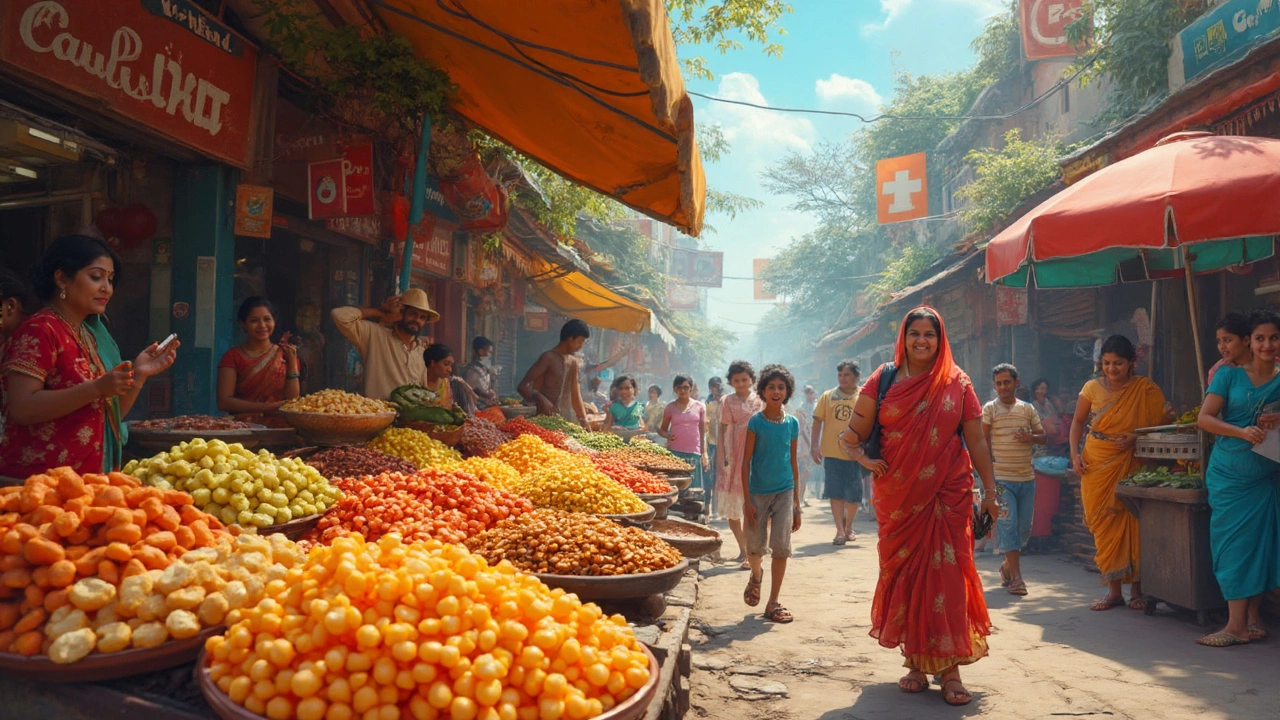
Unmasking the World's Unhealthiest Eaters
Explore which country leads in unhealthy food consumption and how Indian snacks offer a healthier alternative. Delve into surprising facts about global diet trends and health impacts. See how simple swaps can enhance your wellbeing.
learn more