Turmeric in Indian Cooking: Why It's Essential and How It Works
When you think of Indian food, one color comes up again and again—turmeric, a bright yellow spice made from the ground root of the Curcuma longa plant, used daily in homes across India for flavor, color, and its natural healing properties. Also known as haldi, it’s not just a seasoning—it’s a cornerstone of how Indian meals are built. You’ll find it in the base of every chicken curry, swirling into lentil dals, dusted over rice before steaming, and even mixed into the batter for crispy dosas. It’s not there by accident. Turmeric brings warmth, earthiness, and a subtle bitterness that balances out the sweetness of onions, the heat of chilies, and the creaminess of coconut milk.
It doesn’t just taste good—it does real work. When you cook turmeric with oil or fat, its active compound, curcumin, becomes more absorbable. That’s why you never add it dry to a pot of boiling water. You bloom it in hot oil first, letting it release its flavor and color into the dish. That’s the secret behind the deep golden hue in biryani rice and the rich base of a South Indian sambar. It’s also why many traditional recipes pair turmeric with black pepper—pepper boosts curcumin absorption by up to 2000%. This isn’t folklore; it’s chemistry that’s been perfected over centuries. You’ll see this pairing in the same dishes where you find curry leaves, cumin, and coriander—all working together to build layers of flavor that store-bought spice blends can’t match.
Turmeric’s role goes beyond taste. In Mysore-style cooking, it’s often added to lentils to help with digestion, and in dosa batter, a pinch helps with fermentation by creating a slightly acidic environment. It’s used in morning teas for its anti-inflammatory properties and rubbed on skin in rituals before weddings. It’s not a spice you use occasionally—it’s something you live with. You’ll find it in the recipes for chicken curry, dosa batter, and even chutneys that balance sweet, sour, and spicy. It’s the quiet backbone of flavor that holds everything together.
What you’ll find below isn’t just a list of recipes with turmeric in the ingredients. These are real stories about how turmeric works in everyday Indian cooking—why it’s added to biryani rice, how it interacts with coconut milk, and why skipping it changes the whole dish. You’ll learn how to use it right, when to hold back, and what happens when you don’t. This isn’t about adding color to a photo. It’s about understanding why your food tastes the way it does—and how to make it better.
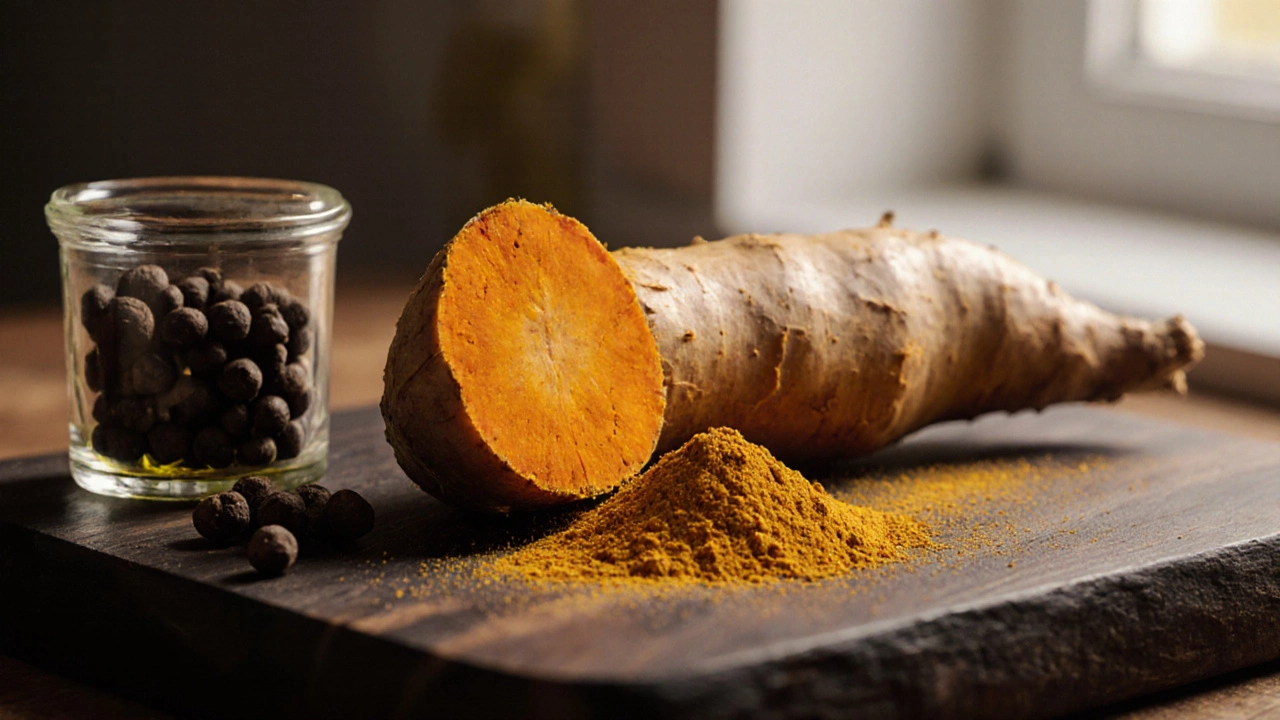
Top Anti-Inflammatory Food: The One Ingredient That Beats Inflammation
Discover why turmeric ranks as the top anti‑inflammatory food, how lentils boost the effect, and a simple dal recipe to fight chronic inflammation.
learn more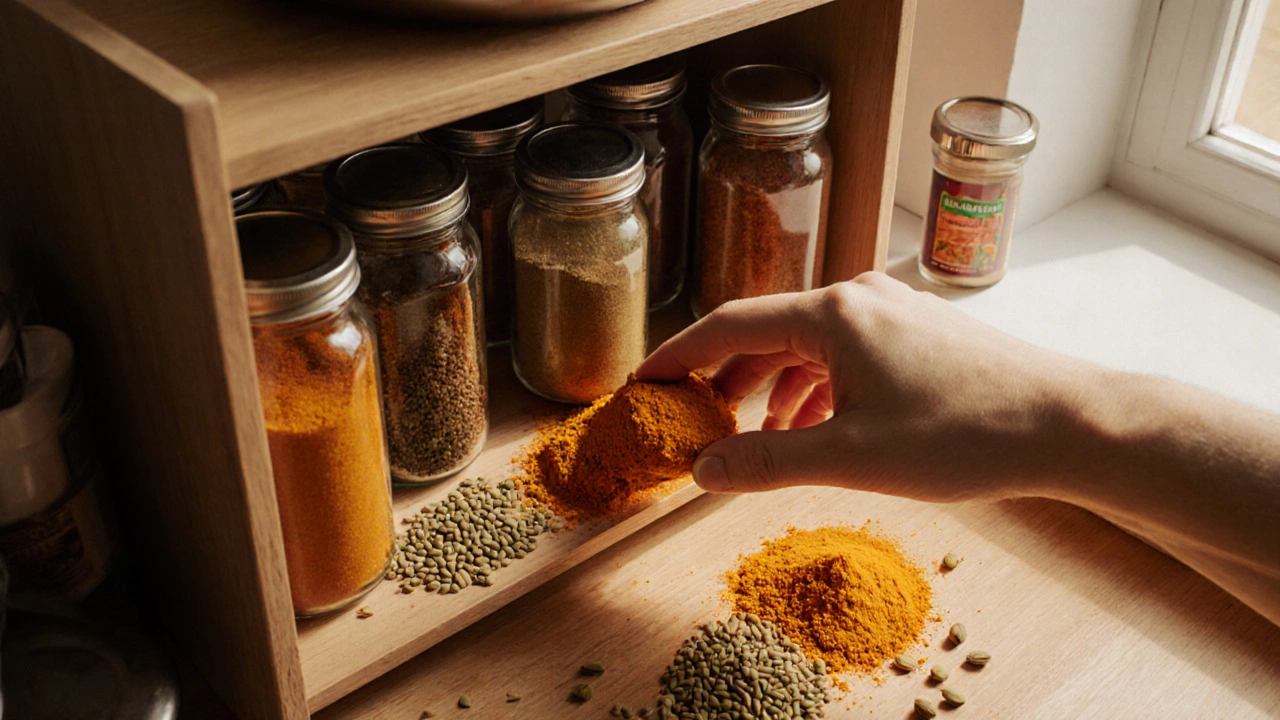
Best Spice Substitutes for Curry Powder - How to Pick the Right One
Learn which spices most closely resemble curry powder, how to blend your own substitute, and tips for using it in chicken curry dishes.
learn more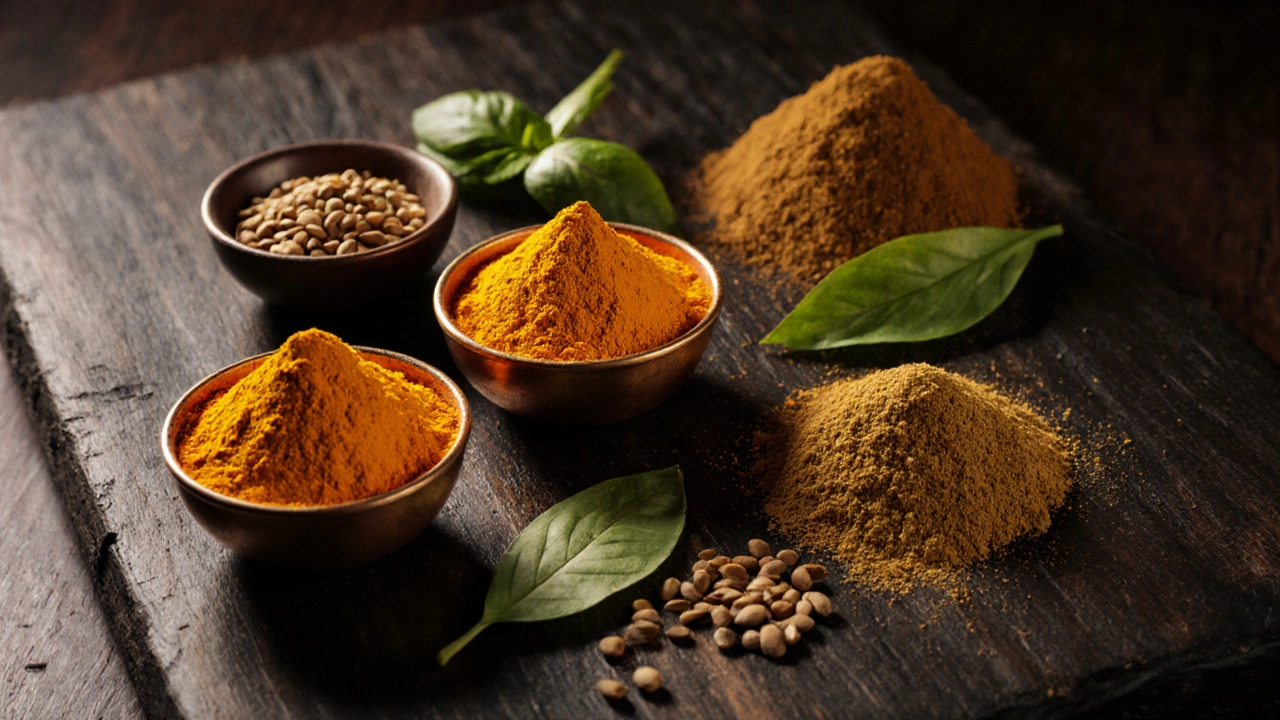
Which ingredient Gives Curry Its Signature Flavor?
Discover the key spices like turmeric, garam masala, cumin, and more that give curry its iconic taste, plus step‑by‑step tips for building a perfect curry base.
learn more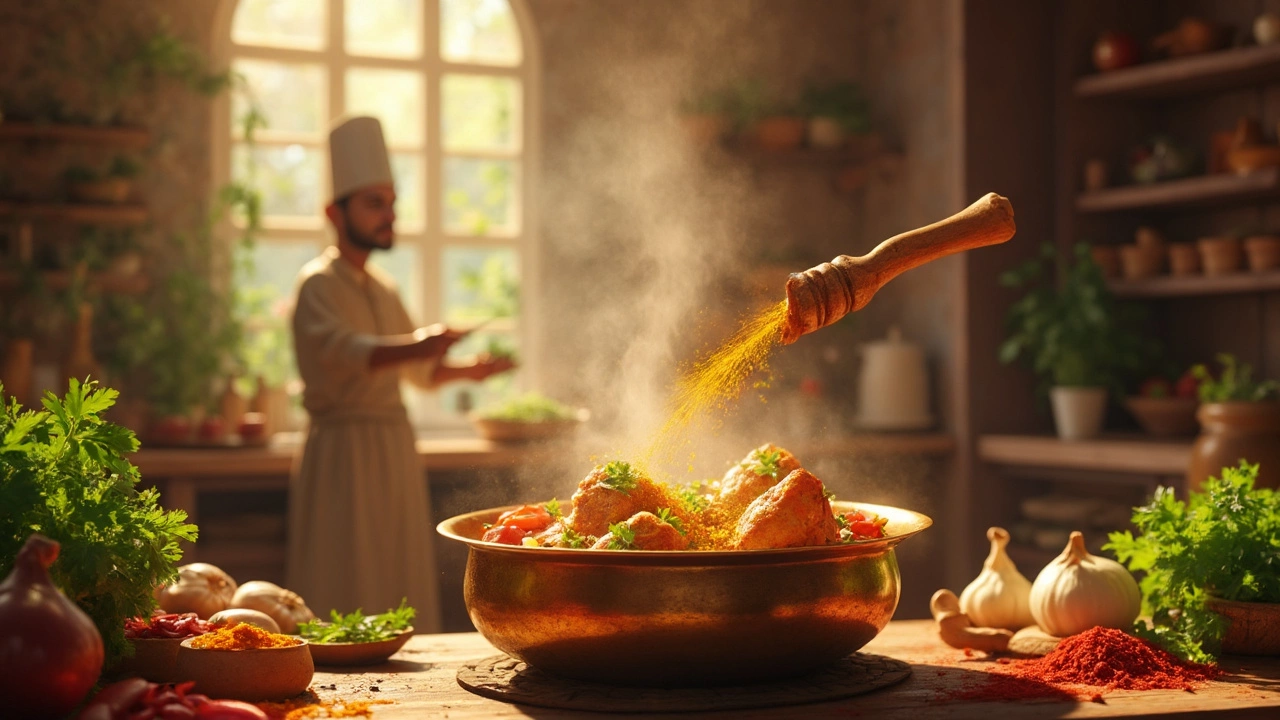
What is the Most Important Spice in Curry? Essential Tips for Chicken Curry Fans
So, what really makes a curry taste like curry? This article digs into the absolute must-have spice in curry, especially if you love chicken curry. You'll find out how this one spice changes everything, why chefs rely on it, and how to use it for the best flavor. Packed with real tips, common mistakes to avoid, and ingredient hacks, it’s a quick guide for both beginners and curry pros. No fluff, just real kitchen help for anyone making curry at home.
learn more