Traditional Indian Cooking: Authentic Recipes from Mysore
When we talk about traditional, cooking methods and recipes passed down through generations without modern shortcuts. Also known as authentic Indian cooking, it’s not about fancy tools or imported spices—it’s about knowing when to soak rice, how long to ferment batter, and why lemon goes in biryani. These are the rules that kept kitchens in Mysore running for centuries. This isn’t just food. It’s memory. It’s what your grandmother made before she had a recipe book. It’s the smell of mustard seeds popping in hot oil, the sound of a dosa sizzling on a cast iron tawa, the way dal thickens slowly over low heat.
Traditional cooking in South India doesn’t rely on pre-made mixes or bottled sauces. It uses urad dal, a small black lentil that, when ground and fermented, becomes the base for crispy dosas and fluffy idlis. It depends on curry leaves, a fragrant herb that gives curry its unmistakable earthy aroma. And it respects timing—like the 7-8 minutes you must parboil basmati rice before layering it in biryani, or the overnight wait needed for dosa batter to rise naturally. Skip these steps, and you’re not cooking traditional food—you’re just assembling ingredients.
You won’t find fusion twists or vegan swaps here. What you will find are the dishes that actually get eaten every day in Mysore homes: poha for breakfast, dal with rice for lunch, and chutney served with everything. These are the recipes that survived because they work—because they’re simple, filling, and full of flavor that doesn’t need to be explained. The posts below cover the real questions people ask: Why does my dosa stick? Why is my biryani bland? Why does this chutney taste different from the one my aunt makes? The answers aren’t complicated. They’re just forgotten.
What follows isn’t a list of trendy recipes. It’s a collection of truths—hard-won lessons from decades of cooking in small kitchens, under hot stoves, with no timers and no apps. You’ll learn what not to do as much as what to do. You’ll see why sugar ruins tandoori chicken, why blending onions changes curry texture, and how to fix soft dosa batter with just three tweaks. These are the things no cookbook teaches. These are the things you only learn by watching, tasting, and trying again. Ready to cook like someone who’s been doing it all their life?
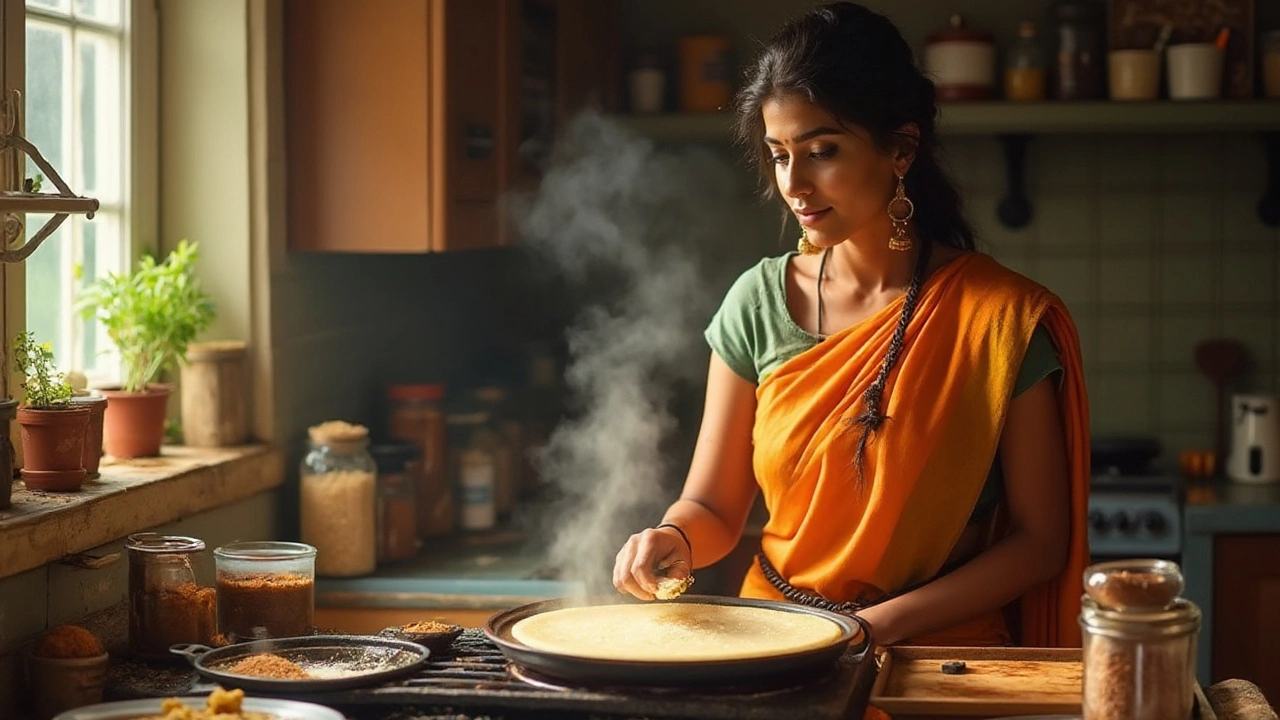
How to Make Authentic Dosa Batter at Home
Dosa, a beloved South Indian delicacy, is a crispy and savory crepe made from rice and lentil batter. This article provides a detailed guide on preparing authentic dosa batter at home. Discover the key ingredients, traditional methods, and essential tips to create the perfect dosa every time. With various soaking, grinding, and fermentation techniques, mastering the dosa batter ensures a delightful culinary experience. Enjoy the subtle art of making this traditional staple, loved by many across the world.
learn more