Toor Dal: The Heart of South Indian Cooking and How to Use It Right
When you think of South Indian food, you’re probably thinking of toor dal, a yellow split pigeon pea that’s the backbone of daily meals in Karnataka and Tamil Nadu. Also known as arhar dal, it’s not just a side dish—it’s the flavor base for sambar, the thickener for rasam, and the protein that keeps families fed without meat. This isn’t fancy food. It’s what millions eat every single day, boiled with turmeric, tempered with mustard seeds, and served with rice or idli. You won’t find it in fancy restaurants much, but you’ll find it in every home kitchen from Mysore to Madurai.
Toor dal works because it breaks down just enough to thicken without turning to mush. That’s why it’s different from moong dal or masoor dal—it holds its shape better and absorbs spices like a sponge. You don’t need fancy tools to cook it. A pot, water, a pinch of turmeric, and a tadka of cumin and dried red chilies are all it takes. But get the soaking time wrong, or skip the pressure cooker, and you’ll end up with chalky, undercooked dal that sticks to your teeth. That’s why people in Mysore swear by soaking it overnight and cooking it under pressure for just 10 minutes. The result? Creamy, tender, and ready to blend into any dish.
It’s also tied to other staples you see in these posts. lentils, including toor dal, are central to anti-inflammatory diets in India, often paired with turmeric to fight inflammation. South Indian cuisine, relies on toor dal as its most common dal, used in breakfasts, lunches, and dinners. And if you’ve ever made dosa batter or idli, you know that while urad dal gets the spotlight for fermentation, toor dal is the quiet workhorse that balances the meal. You can’t talk about dal without talking about toor dal. It’s the reason your sambar tastes like home, not a restaurant.
Some people think dal is just boiled beans. But in Mysore, it’s science. Too much water? It turns watery. Not enough spice? It tastes flat. Cooked too long? It turns gluey. The posts below show you exactly how to fix those mistakes—whether you’re making a simple dal, a spicy sambar, or a lentil-based curry that pairs with rice or roti. You’ll learn how to remove gas, how to make it creamy without cream, and why the tempering matters more than you think. No fluff. No theory. Just what works, day after day, in real kitchens.
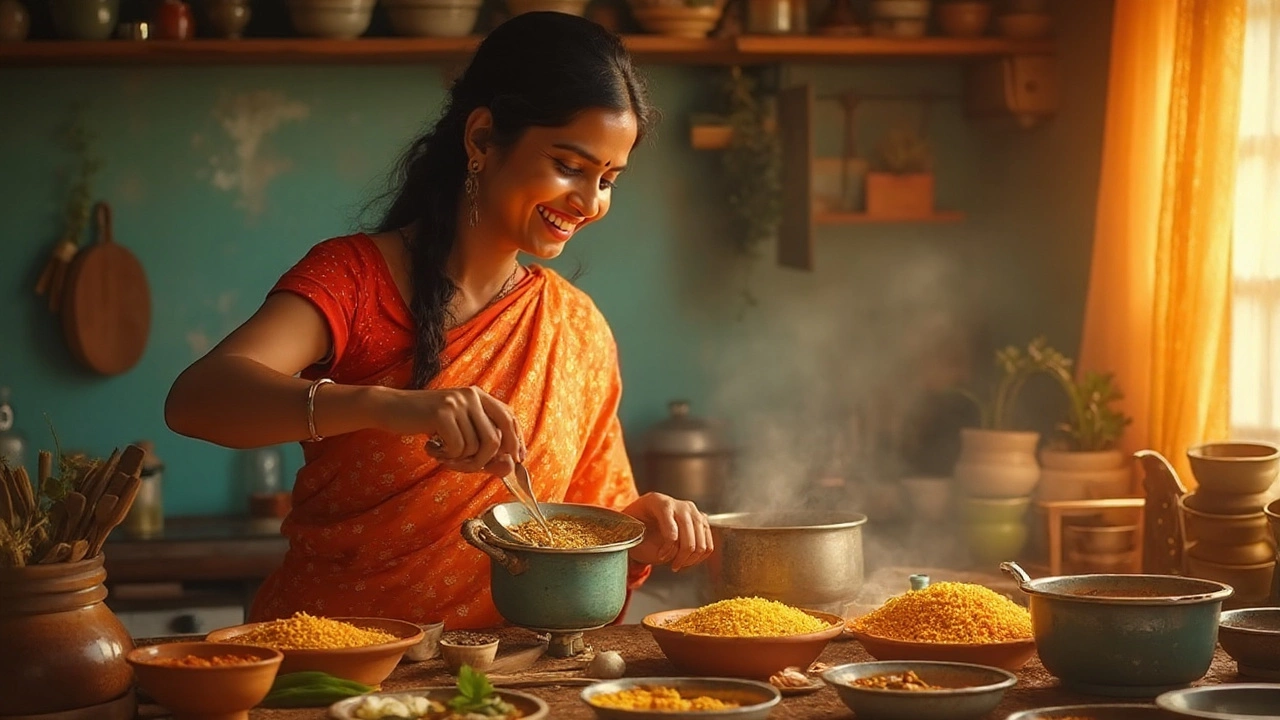
Which Dal Does Not Need Soaking? Fastest Indian Lentils to Cook
Discover which Indian dal does not need soaking, why, and how to cook it fast. Tips, table of cooking times, and expert advice for easy home meals.
learn more