Tandoori vs Tikka: What’s the Real Difference?
When you hear tandoori, a style of Indian grilling where meat is marinated in yogurt and spices, then cooked in a clay oven called a tandoor, you might think it’s just another name for tikka, small pieces of meat marinated similarly but often skewered and grilled, sometimes with a creamier sauce. But they’re not interchangeable. Tandoori refers to the cooking method and the bold, fiery marinade that coats whole pieces of chicken or lamb, while tikka, a subset of tandoori cooking, focuses on bite-sized chunks, often served as appetizers or the base for dishes like tikka masala. The confusion comes from overlap—both use yogurt, lemon, garlic, and spices like cumin and paprika—but the texture, presentation, and final flavor are worlds apart.
Think of it this way: tandoori chicken is the whole bird, charred at the edges, juicy inside, with that signature red hue from Kashmiri chilies. Tikka is what you get when you cut that same chicken into cubes, thread them on skewers, and grill them fast. One is a main dish; the other is often a starter or the foundation for a creamy curry. Tikka masala, a British-Indian creation, takes tikka pieces and bathes them in a tomato-cream sauce, turning the smoky grill flavor into something rich and comforting. But you won’t find that sauce in traditional tandoori chicken—it’s pure, direct heat and spice. The marinade for tandoori is thinner, meant to cling and penetrate, while tikka marinade is often thicker, helping the cubes hold together on the skewer. And while both rely on the tandoor, you can make tikka on a grill or even a broiler—tandoori, in its true form, needs that intense clay-oven heat to get right.
What you’ll find in the posts below are practical guides that cut through the noise. Learn what not to do when marinating tandoori chicken—like using metal bowls or too much oil. See why fermentation, spice balance, and even the type of yogurt matter more than you think. You’ll also get real tips on how to replicate that charred, smoky taste at home, whether you’re making tandoori chicken for dinner or tikka skewers for a party. There’s no fluff here—just what works, based on decades of South Indian and North Indian cooking traditions. Whether you’re fixing a soggy dosa or perfecting your biryani rice, you already know that small changes make big differences. The same goes for tandoori and tikka. Get the details right, and you’re not just cooking—you’re tasting history.
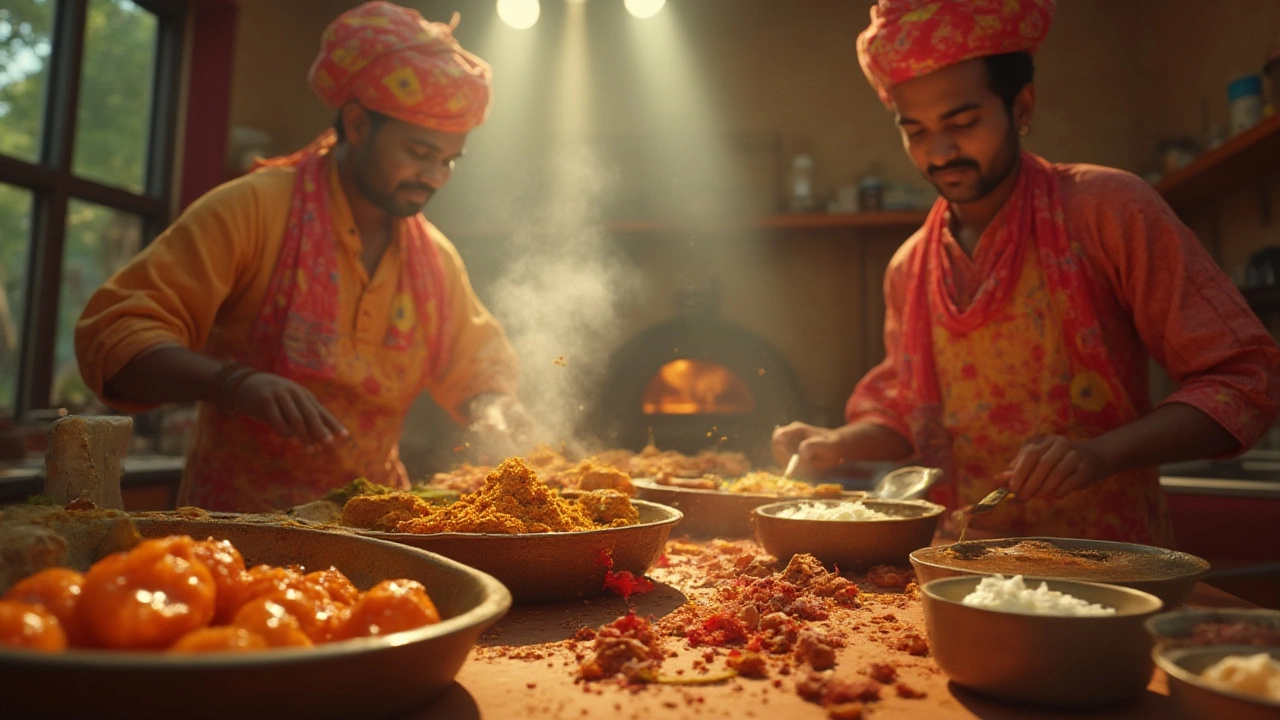
Tandoori Paste vs Tikka Paste: What's the Difference?
Uncover the real differences and surprising similarities between tandoori and tikka paste. Learn how each marinade can transform your Indian dishes.
learn more