Tandoor Oven: How This Traditional Clay Oven Shapes Indian Flavors
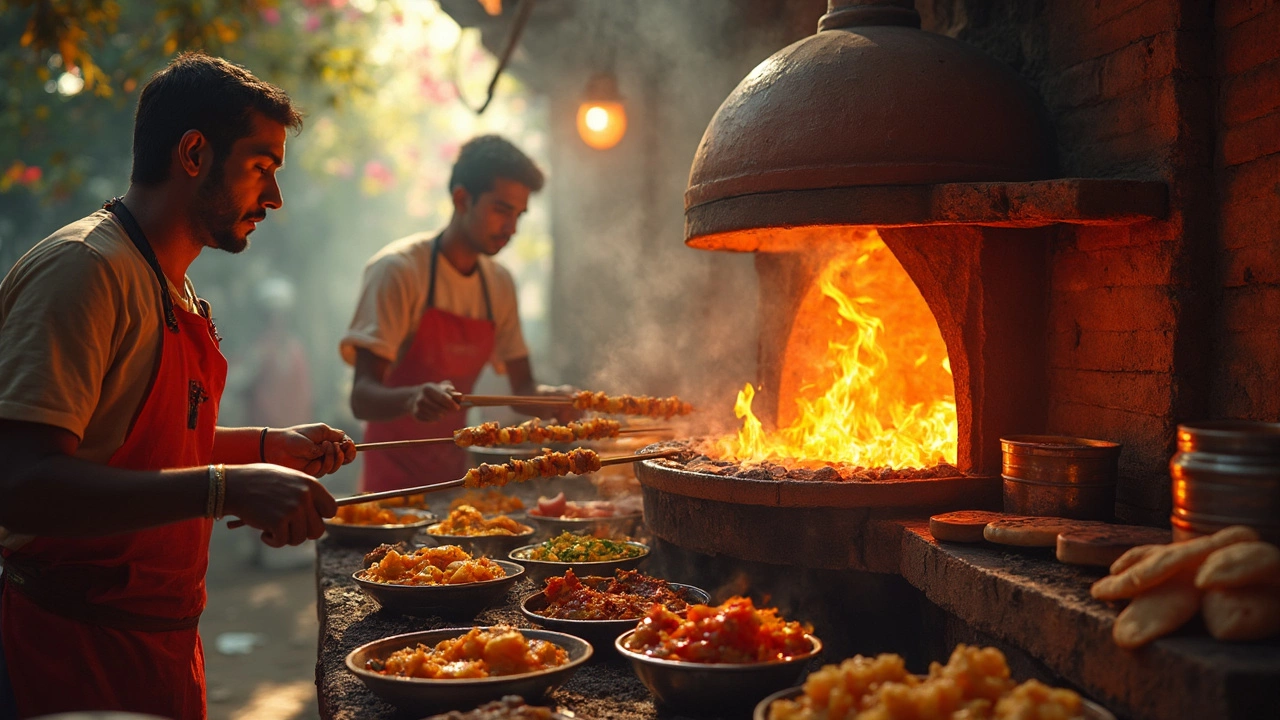
When you think of tandoor oven, a cylindrical clay oven heated with charcoal or wood, used across South Asia for baking bread and roasting meats. Also known as tandoor, it’s not just a cooking tool—it’s the heart of many iconic Indian dishes. This isn’t a modern appliance you plug in. It’s a centuries-old design, built into the ground or mounted on a stand, reaching temperatures over 480°C. The intense, radiant heat sears food quickly, locking in juices while giving it that unmistakable smoky char. If you’ve ever bitten into a piece of tandoori chicken with crispy edges and tender inside, you’re tasting the tandoor at work.
The tandoor oven doesn’t just cook—it transforms. The high heat and direct contact with the oven walls create a unique texture you can’t get in a regular oven or grill. tandoori chicken, marinated in yogurt and spices, then skewered and cooked vertically in the tandoor, is the most famous example. But it’s not just chicken. naan, soft, pillowy flatbread slapped onto the oven walls, gets its blistered spots and slight char from the same heat. Even vegetables like bell peppers and eggplant, when roasted in the tandoor, take on a deep, earthy sweetness that changes their whole character. The oven’s design—narrow at the bottom, wider at the top—lets heat rise and circulate, cooking food evenly without drying it out. And because it uses live fire, not electricity, the flavor carries a subtle smokiness that no gas burner can copy.
What makes the tandoor so special isn’t just the heat—it’s the way it interacts with Indian spices. The intense temperature caramelizes the sugar in yogurt marinades and deepens the aroma of cumin, coriander, and smoked paprika. You can’t replicate that in a regular oven, no matter how high you set the temperature. That’s why even modern Indian restaurants still invest in real tandoors, and why home cooks are learning to mimic it with cast iron skillets or grill setups. The tandoor oven isn’t just a relic. It’s a flavor engine. And if you want to understand what makes Indian food taste the way it does—especially the dishes that stick with you—you need to understand this oven.
Below, you’ll find real guides from home cooks and chefs who’ve cracked the code on using the tandoor oven—or making do without one. Whether you’re troubleshooting a soggy tandoori chicken marinade, learning why metal bowls ruin the flavor, or just curious how to get that restaurant-style char at home, these posts cut through the noise. No fluff. Just what works.
Tandoori: Spice Mix or Oven? Understanding Its Real Meaning
Is tandoori a spice or an oven? Break down the myths and get the complete story. Find out how tandoori shapes Indian cuisine, from clay ovens to vibrant spices.
learn more