Sugar Consumption by Country: Who Eats the Most and Why It Matters
When we talk about sugar consumption by country, the average amount of added sugars people eat daily, measured in grams per person. Also known as added sugar intake, it varies wildly—from under 20 grams in some rural communities to over 100 grams in industrialized nations. In India, sugar isn’t just a sweetener—it’s woven into daily meals, from chai to sweets like jalebi and phool jhadi. But here’s the thing: most of that sugar doesn’t come from your kitchen sugar bowl. It hides in chutneys, pickles, curries, and even dosa batter.
Think about it: why do we add sugar to biryani? Not for sweetness, but to balance spice and keep rice from sticking. Why do British chutneys taste so tangy-sweet? Because sugar preserves fruit and mutes vinegar’s bite. Even in dosa batter, a pinch of sugar helps fermentation. These aren’t dessert habits—they’re cooking techniques shaped by tradition, climate, and available ingredients. The sugar in Indian food, the hidden sugars added during cooking to enhance flavor, texture, and shelf life isn’t always obvious, but it’s everywhere.
Compare that to countries where sugar is a standalone indulgence—candy, soda, pastries—and you see a cultural divide. In India, sugar is a tool. In the U.S., it’s often the main event. That’s why global sugar consumption data doesn’t tell the whole story. A country might score low on sugar intake because people don’t drink soda, but still use sugar daily in dal, sambar, or even roasted peanuts. The daily sugar intake, the total grams of sugar consumed each day from all sources, including hidden ones in sauces and snacks in many Indian households is higher than official stats suggest.
And then there’s the health angle. We know too much sugar leads to inflammation, weight gain, and insulin issues. But what if the sugar in your curry isn’t the problem? What if it’s the ultra-refined white sugar in packaged snacks replacing traditional jaggery? That’s the real shift happening—not just more sugar, but worse sugar. The sweeteners in cooking, natural and processed substances used to add sweetness, from jaggery and honey to high-fructose corn syrup you choose make a difference. Traditional recipes used jaggery, palm sugar, or date paste—ingredients with minerals and slower digestion. Today, many home cooks reach for the white granulated kind because it’s cheap and fast.
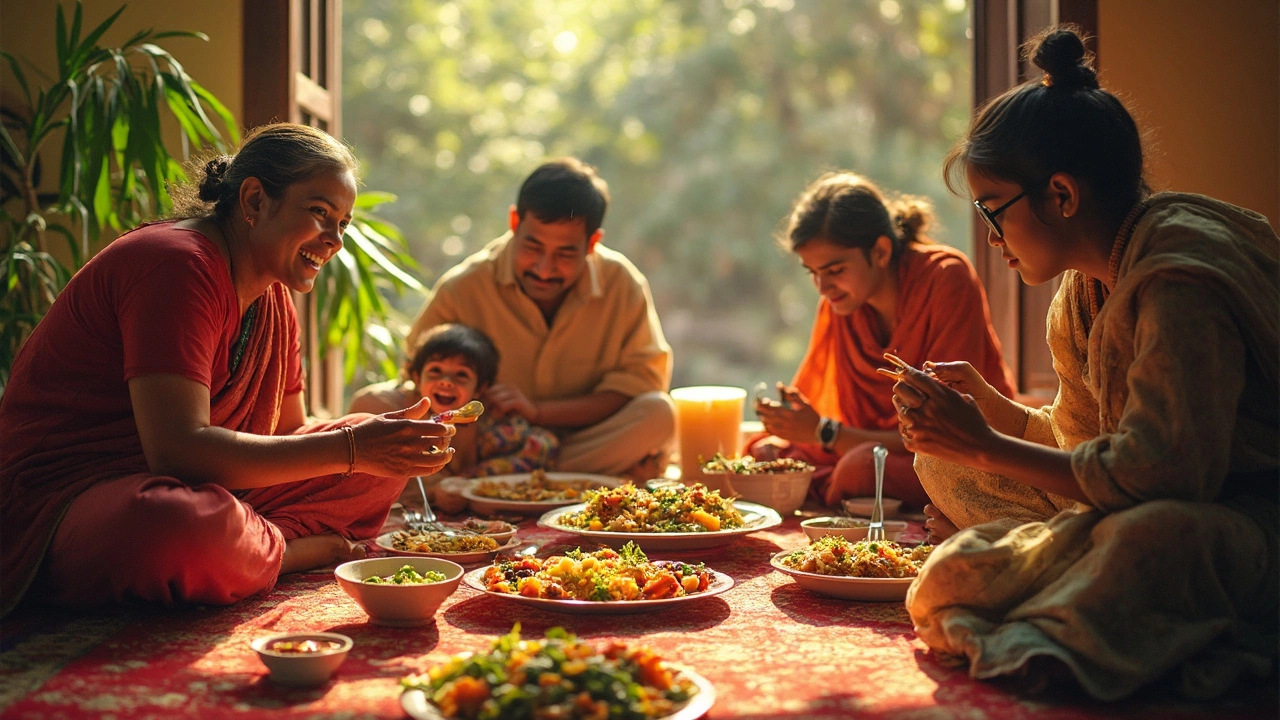
What you’ll find in these posts isn’t a lecture on sugar. It’s a look at how sugar works in real Indian kitchens. You’ll learn why a little sugar makes your dosa crisp, how chutneys use sugar to balance heat, and which sweets are truly traditional versus modern inventions. You’ll see how sugar plays a silent role in biryani, curry, and even lentil dishes—not as a dessert ingredient, but as a flavor architect. This isn’t about cutting sugar. It’s about understanding where it comes from, why it’s used, and how to use it wisely.
Which Country Has the Lowest Sugar Consumption? Surprising Global Insights
Discover which country eats the least sugar, why their diets are so low in sugar, and what you can learn from them. Surprising stats and tips inside!
learn more