Street Vendors in India: Authentic Flavors, Hidden Secrets, and Must-Try Foods
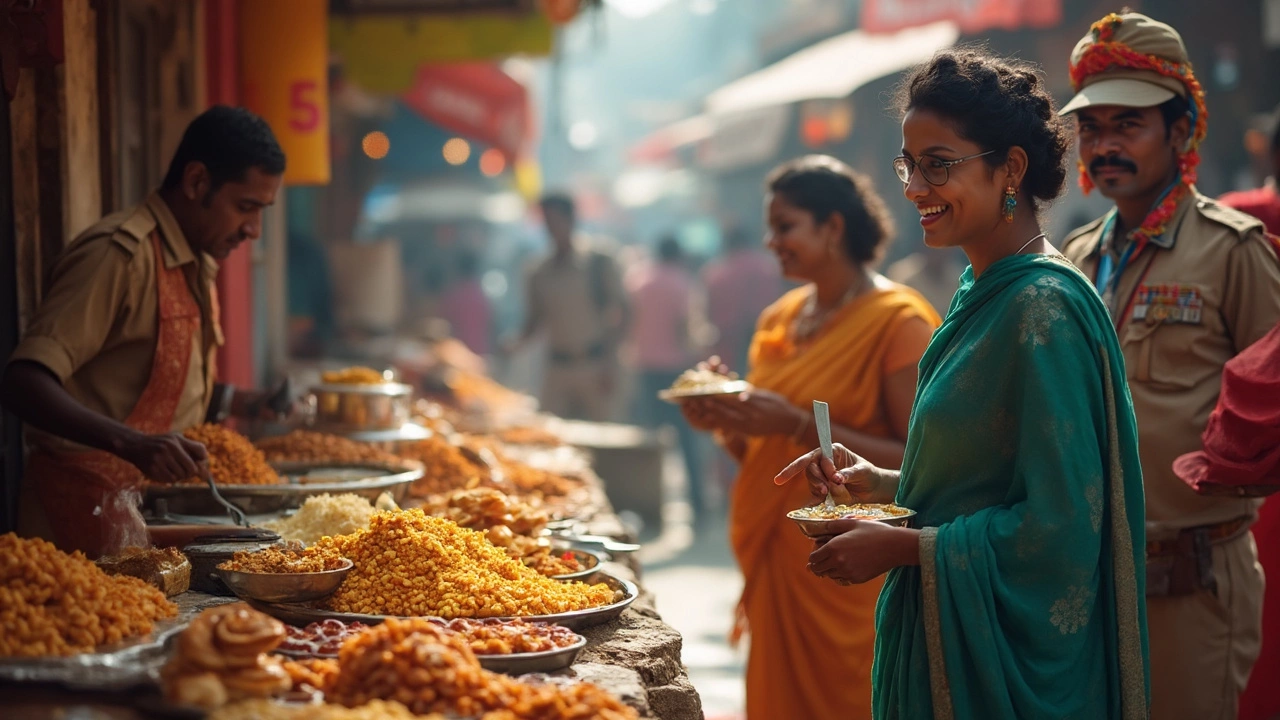
When you think of street vendors, mobile food sellers who serve hot, fresh meals on sidewalks, busy corners, and near temples across India. Also known as hawker stalls, they’re not just food sellers—they’re the heartbeat of daily eating in India. You won’t find fancy menus or air-conditioned dining rooms. Instead, you’ll see a man flipping dosas on a hot griddle, a woman ladling steaming sambar into a banana leaf, or a boy balancing trays of spicy bhel puri on his head. These aren’t tourist tricks. This is how millions eat every single day.
Dosa, a thin, crispy fermented rice and urad dal crepe. Also known as South Indian pancake, it’s the most common street food you’ll find from Mysore to Mumbai. The batter isn’t store-bought. It’s soaked overnight, ground by hand, and left to ferment in clay pots. The vendor doesn’t use a timer—he knows by smell and feel when it’s ready. And the chutney? It’s not just coconut or tomato. It’s made fresh every morning with roasted lentils, green chilies, and a hint of mustard seed. You won’t find this in restaurants. Only street vendors do it right.
Chutney, a spicy, tangy condiment that turns a simple snack into something unforgettable. Also known as Indian salsa, it’s the secret weapon behind every great street meal. Whether it’s served with dosa, idli, or even a plain roti, chutney adds depth, heat, and balance. And no two vendors use the same recipe. One might add roasted peanuts. Another swears by tamarind pulp. Some even throw in a pinch of jaggery. The difference isn’t just taste—it’s tradition passed down through generations.
Street vendors don’t need Instagram to stay in business. They rely on repeat customers—the office worker who grabs a hot masala dosa before work, the student who eats vada pav on the way home, the grandmother who buys fresh poha from the same cart every morning. Their tools are simple: a flat stone, a steel tawa, a cloth to wipe the surface, and a wooden spatula worn smooth from years of use. No fancy gadgets. No plastic packaging. Just food made with care, cooked fast, and eaten right away.
Why do people trust them? Because the food changes with the seasons. In winter, you’ll find hot upma with sesame seeds. In summer, chilled buttermilk with mint. They know what works, what sells, and what tastes best when the sun is high. They don’t follow trends. They follow taste.
And here’s the truth: the most authentic Indian food you’ll ever eat won’t come from a five-star hotel. It’ll come from a cart with a flickering bulb, a stack of plates, and a vendor who smiles without saying a word. You won’t find a menu. You’ll just be asked, "Dosa? Idli? Poha?" And you’ll say yes—because you’ve smelled it, you’ve seen it, and you know it’s real.
Below, you’ll find real stories and tried-and-tested tips from people who’ve cooked these foods for decades. Whether you’re trying to fix your dosa batter, understand why lemon goes in biryani, or figure out how chutney pairs with every snack, these posts were written by people who’ve stood where the vendors stand—early, tired, and completely in love with the food they make.
Is Street Food Illegal in India? What You Need to Know
Street food is a huge part of life in India, but many wonder if it’s actually legal. This article clears up confusion about the laws, explains where things get tricky for street vendors, and tells you why rules around cleanliness and licenses matter. You’ll learn some surprising facts about how cities deal with hawkers and what risks you might face as a customer. Plus, there are tips on how to enjoy street food safely and find the best eats without breaking any rules.
learn more