Street Delicacies from Mysore: Authentic Snacks You Can't Miss
When you think of street delicacies, quick, flavorful snacks sold by vendors on sidewalks and market corners. Also known as roadside eats, they're not just food—they're a daily ritual in South India, especially in Mysore. These aren't fancy restaurant dishes. They're the kind of food people grab on their way to work, eat while waiting for the bus, or share with friends after evening walks. You'll find them wrapped in banana leaves, served on disposable plates, or handed over with a smile from a vendor who’s been making the same recipe for 30 years.
What makes Mysore’s street food different? It’s the balance. A dosa, a thin fermented rice and urad dal crepe isn’t just crispy—it’s light, slightly tangy, and served with coconut chutney that tastes like fresh coconut, roasted peanuts, and green chili, not bottled paste. The chutney, a thick, spiced condiment made from fresh ingredients and ground by hand isn’t an afterthought. It’s the soul of the meal. You’ll see it paired with idli, samosa, or even plain rice. And it’s not just about taste—it’s about texture, temperature, and timing. The chutney stays cool, the dosa stays hot, and the spice hits just right.
These snacks don’t need fancy tools. No blenders, no sous-vide, no imported spices. Just stone grinders, cast iron tawa, and decades of know-how. The urad dal to rice ratio, the 1:3 mix that makes dosa batter ferment perfectly is passed down, not written down. You won’t find a recipe online that matches what’s served at the corner stall near Chamundi Hills. And that’s the point. This is food that’s lived in, not just cooked.
Some of these snacks are disappearing. Phool jhadi, the sugar candy that melts like cotton candy, is hard to find now. But the classics? They’re still here. Crispy masala dosa with spicy tomato chutney. Hot vada soaked in sambar. Sweet jalebi drizzled with syrup and eaten straight off the fryer. Each one tells a story—not of luxury, but of routine, of hunger, of joy in simple things.
What you’ll find in this collection isn’t a list of tourist attractions. It’s a guide to the real stuff—the food that feeds Mysore. You’ll learn why your dosa turns soft, how to fix it, and what makes the chutney taste different from the one you bought at the store. You’ll see why lemon in biryani isn’t optional, how to stop coconut milk from curdling, and why turmeric isn’t just a spice—it’s part of the rhythm of daily eating. These aren’t just recipes. They’re the tools to bring the street into your kitchen, one crispy bite at a time.
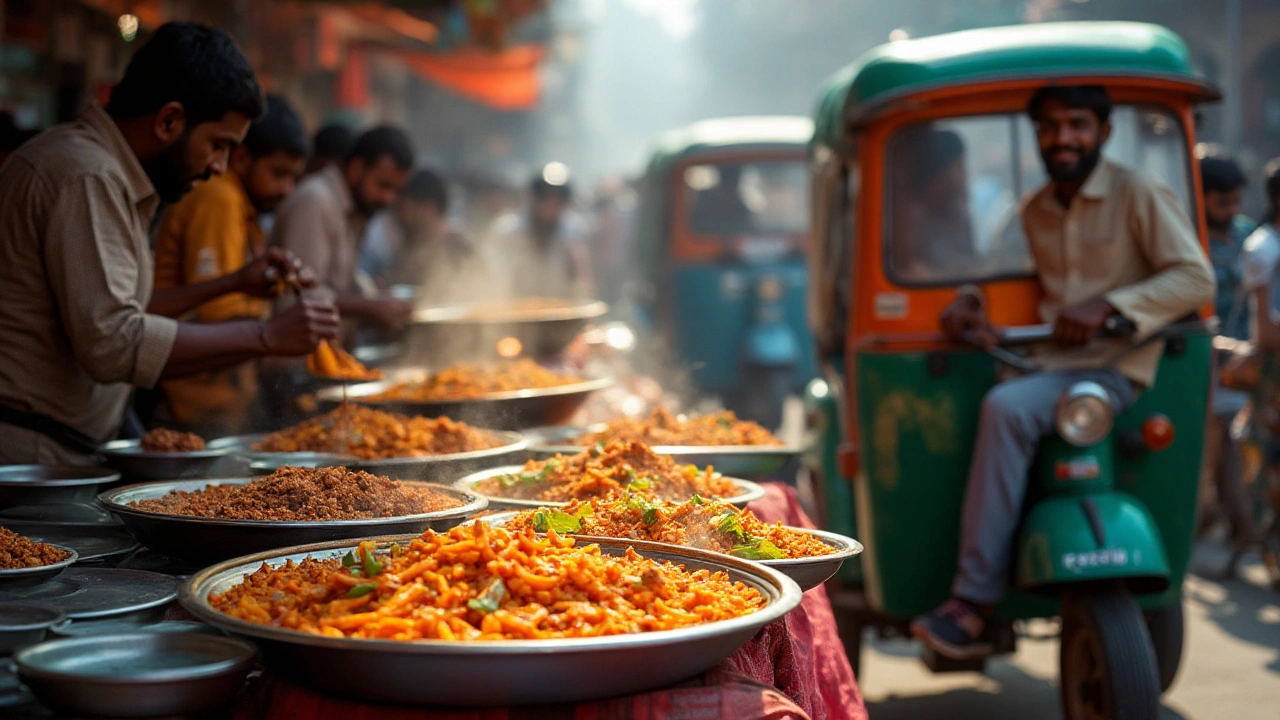
Exploring India's National Cuisine: The Essence of Its Vibrant Street Food
India's food panorama is vividly represented by its bustling street food scene, which is often seen as an emblem of its national cuisine. This exploration takes us through the diverse and colorful dishes that make up India's street food culture, spanning cities and regions. From the iconic spicy chaat of Delhi to the flavorful dosa from the south, each bite tells a story. These culinary experiences blend tradition with local tastes and have become a major attraction for both locals and tourists craving authentic flavors.
learn more