Storing Paneer: How to Keep It Fresh, Soft, and Ready to Use
When you buy or make paneer, a fresh, non-melting cheese common in Indian cooking, often used in dishes like paneer butter masala and palak paneer. Also known as Indian cottage cheese, it’s prized for its soft texture and ability to soak up spices. But if you don’t store it right, it turns dry, rubbery, or sour in just a day or two. Many people think paneer is like regular cheese—it’s not. It’s made by curdling milk with lemon juice or vinegar, then pressed. That means it has no preservatives, no aging, and no protective rind. It’s alive with moisture, and that moisture is what keeps it tender. Lose it, and you lose the magic.
How you store paneer changes everything. If you keep it in the fridge without water, it dries out fast. If you leave it out at room temperature, bacteria grow. The best way? Submerge it in cold water, a simple, traditional method used in Indian kitchens to maintain paneer’s moisture and texture. Change the water daily, and it stays fresh for 4–5 days. For longer storage, freeze it. Slice or cube it first, then wrap each portion in plastic or put it in a sealed container. Frozen paneer lasts up to 3 months. When you thaw it, it might look a little grainy, but after a quick soak in warm water, it regains its softness. You can even use it straight from the freezer in curries—it’ll absorb flavor just fine.
Don’t store paneer in metal containers. They react with the acid left in the cheese and can give it a metallic taste. Plastic or glass is best. And never store it near strong-smelling foods like onions or fish—paneer absorbs odors like a sponge. If you’ve made a big batch for the week, portion it out. That way, you only take out what you need, and the rest stays protected. Some people add a pinch of salt to the water to extend shelf life a bit, but it’s not necessary if you change the water daily.
Storing paneer isn’t about fancy tools or complicated steps. It’s about understanding its nature. It’s not meant to last weeks like aged cheese. It’s meant to be fresh, soft, and used soon. The best paneer dishes come from fresh cheese, not the hard, crumbly kind you find after days in the fridge. When you get this right, your butter masala stays creamy, your tikka stays juicy, and your snacks stay satisfying.
Below, you’ll find real tips from people who’ve tried every method—some worked, some didn’t. You’ll learn what happens when you freeze paneer wrong, why some recipes call for soaking it before cooking, and how to tell if your paneer has gone bad before you even taste it. No fluff. Just what works.
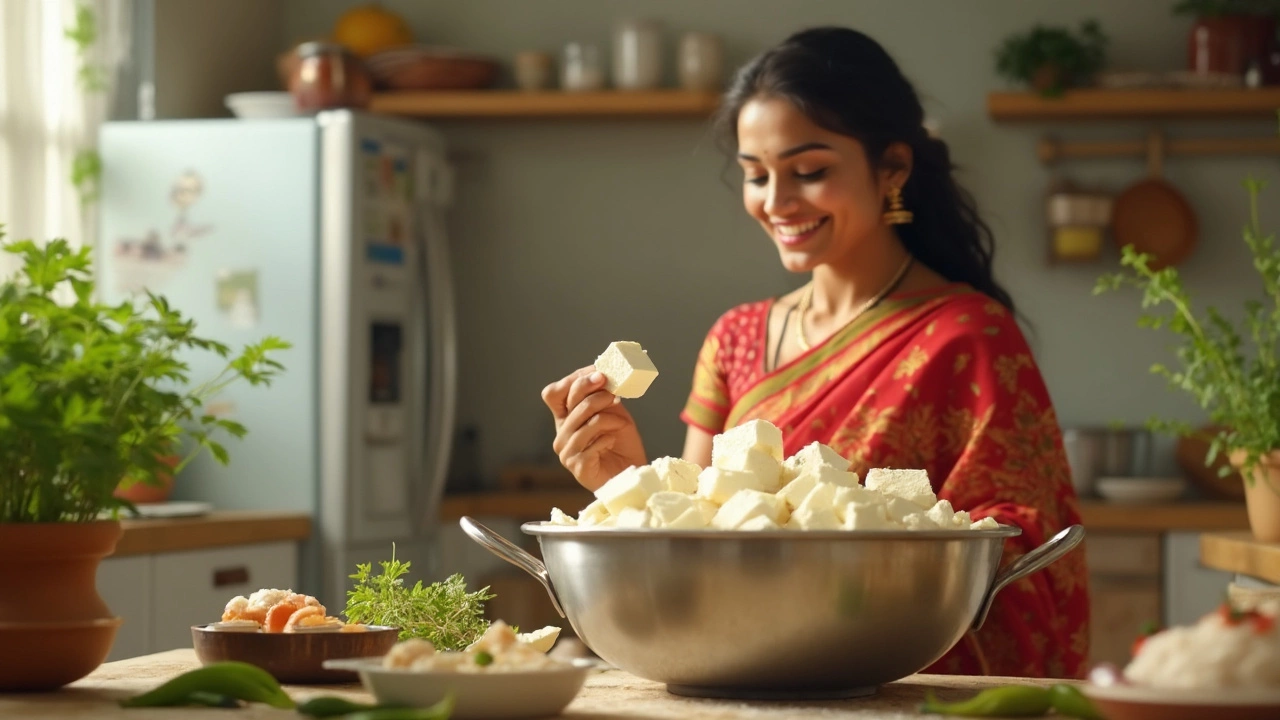
Can We Eat 10 Days Old Paneer? Homemade Paneer Safety Unpacked
Wondering if that 10 days old homemade paneer in your fridge is still safe to eat? This guide digs into how long homemade paneer really lasts, what risks come with eating old paneer, and how to spot spoiled cheese. Get the truth on keeping your paneer safe and tasty at home, plus smart tips for storing it longer.
learn more