Store-Bought Paneer: What It Is, How It Differs, and Why It Matters
When you grab a block of store-bought paneer, a fresh, unaged Indian cheese made by curdling milk with lemon or vinegar. Also known as Indian cottage cheese, it’s the star of paneer butter masala, palak paneer, and even grilled street snacks. But not all paneer is created equal—what you find in the dairy aisle often lacks the texture, flavor, and freshness of the kind made at home.
Many people assume paneer, a soft, non-melting cheese central to North and South Indian cooking is just like mozzarella or halloumi—but it’s not. Unlike halloumi, which holds its shape under high heat, or ricotta, which is grainy, paneer should be firm yet tender, with a clean milky taste. homemade paneer, made by boiling milk and adding acid like lemon juice or yogurt has a slightly springy bite and absorbs spices better. Store-bought versions? They’re often pressed too hard, soaked in brine, or made with powdered milk, making them rubbery or bland. You can still use them, but you’ll need to know how to fix their flaws—like soaking in warm water to soften them, or frying lightly before adding to curry.
The rise of dairy substitutes, plant-based alternatives like tofu or cashew cheese marketed as vegan paneer has made things even more confusing. Some brands label soy-based products as paneer, but they don’t behave the same way in cooking. Real paneer comes from cow or buffalo milk—it’s dairy, not plant-based. If you’re avoiding dairy, you’re not getting paneer—you’re getting a substitute. And that’s okay, as long as you know what you’re working with.
So why does this matter? Because paneer isn’t just an ingredient—it’s a texture, a flavor anchor, a vehicle for spices. A bad block of store-bought paneer can turn a rich gravy into a soggy mess. A good one? It soaks up the masala, holds its shape, and gives you that satisfying chew. The posts below will show you exactly how to pick the best store-bought paneer, how to fix the ones that don’t taste right, what dishes work best with each type, and why some recipes absolutely demand homemade. You’ll also find out why paneer butter masala dominates Indian food orders, how it compares to halloumi, and how to make your next curry taste like it came from a Mysore kitchen—not a supermarket shelf.
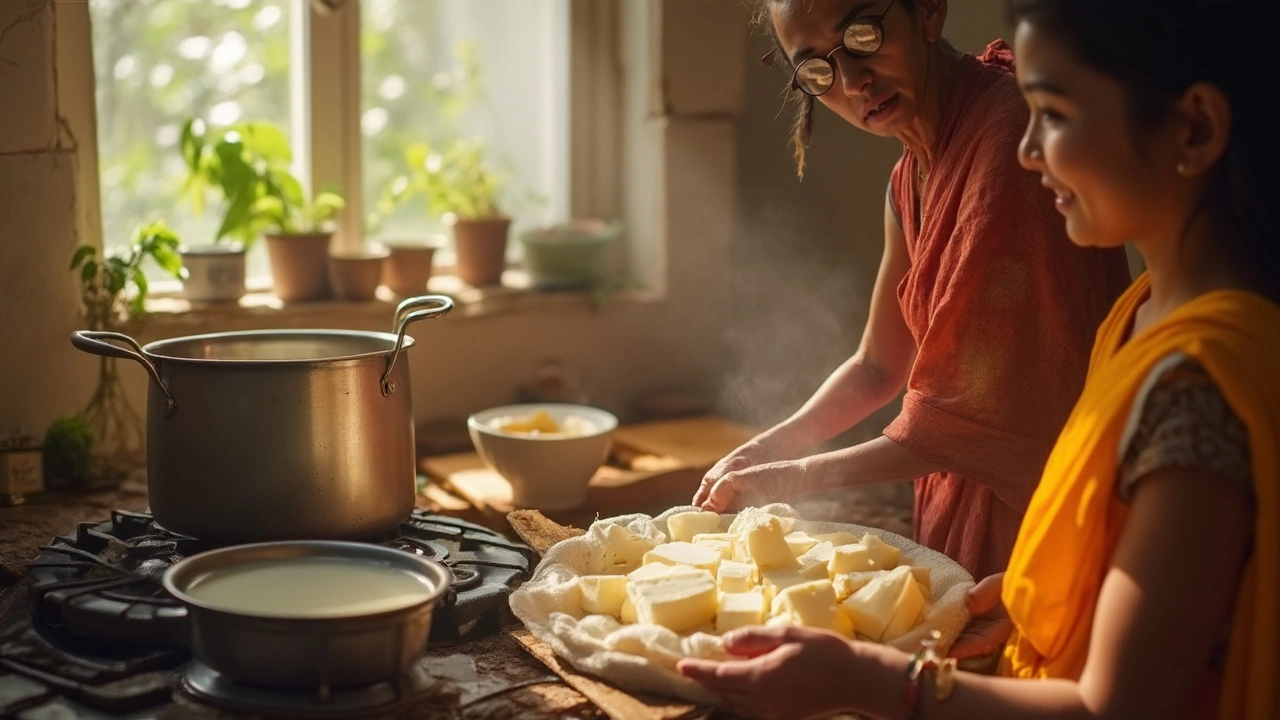
Why Is Store-Bought Paneer So Hard? The Real Reason Behind the Texture
Have you ever wondered why the paneer from the supermarket feels tougher than the fluffy cubes you get at home? Store-bought paneer is often firmer, crumbly, and doesn't soak up curry as well. This article breaks down the science behind the texture difference and offers easy ways to get soft, melt-in-your-mouth paneer at home. Get ready for practical kitchen tips and some surprising insights into the paneer-making process. If you're tired of chewy, dry cubes, you're in the right place.
learn more