Spicy Food: What Makes Indian Dishes So Bold and Addictive
When you think of spicy food, a bold, heat-driven style of cooking that uses chilies, black pepper, and ground spices to create intense flavor. Also known as hot food, it’s not just about burning your tongue—it’s about waking up your whole palate. In Indian kitchens, especially in Mysore and across South India, spicy food isn’t an afterthought. It’s the backbone of every meal. A dash of red chili powder, a crackle of mustard seeds in hot oil, a handful of green chilies crushed into chutney—these aren’t random additions. They’re deliberate moves in a centuries-old flavor game.
What most people don’t realize is that Indian spices, a curated mix of dried seeds, roots, and pods like cumin, coriander, turmeric, and fenugreek that form the foundation of regional dishes don’t just add heat—they build depth. Turmeric brings earthiness. Black pepper adds sharpness. Dry red chilies give slow-burning warmth. And when you combine them with biryani spice, a layered blend of whole spices like star anise, cardamom, and cloves that are toasted, ground, and infused into rice and meat, you get something that lingers, not just burns. This isn’t the same as tossing hot sauce on your tacos. This is cooking where spice is a language, not a shock tactic.
Look at the recipes in this collection. You’ll see how curry flavor, the complex, balanced taste created by frying spices in oil, adding onions and tomatoes, and simmering with broth or coconut milk is built step by step. No shortcuts. No pre-made powders. Just patience and precision. That’s why a simple chicken curry can taste completely different from one kitchen to the next. One might use Kashmiri chilies for color and mild heat. Another might reach for bird’s eye chilies for fire. Both are right. Both are spicy food—but in their own way.
And it’s not just about the chilies. It’s about balance. Lemon in biryani cuts through the heat. Coconut milk cools a curry. Yogurt tames the burn in tandoori marinades. Even the texture of your dosa matters—crispy edges trap spice better than soft ones. Spicy food here isn’t just eaten. It’s managed, adjusted, and perfected. You don’t just tolerate heat—you learn to ride it.
What you’ll find below isn’t a list of recipes that say "add more chili." It’s a guide to understanding why certain dishes work, how to fix them when they’re too hot, and how to make them even better. Whether you’re troubleshooting a soggy dosa that won’t hold spice, trying to balance biryani heat without losing flavor, or just wondering why your curry tastes flat—this collection has the answers. No fluff. No guesswork. Just real, tested ways to make spicy food work for you—not against you.
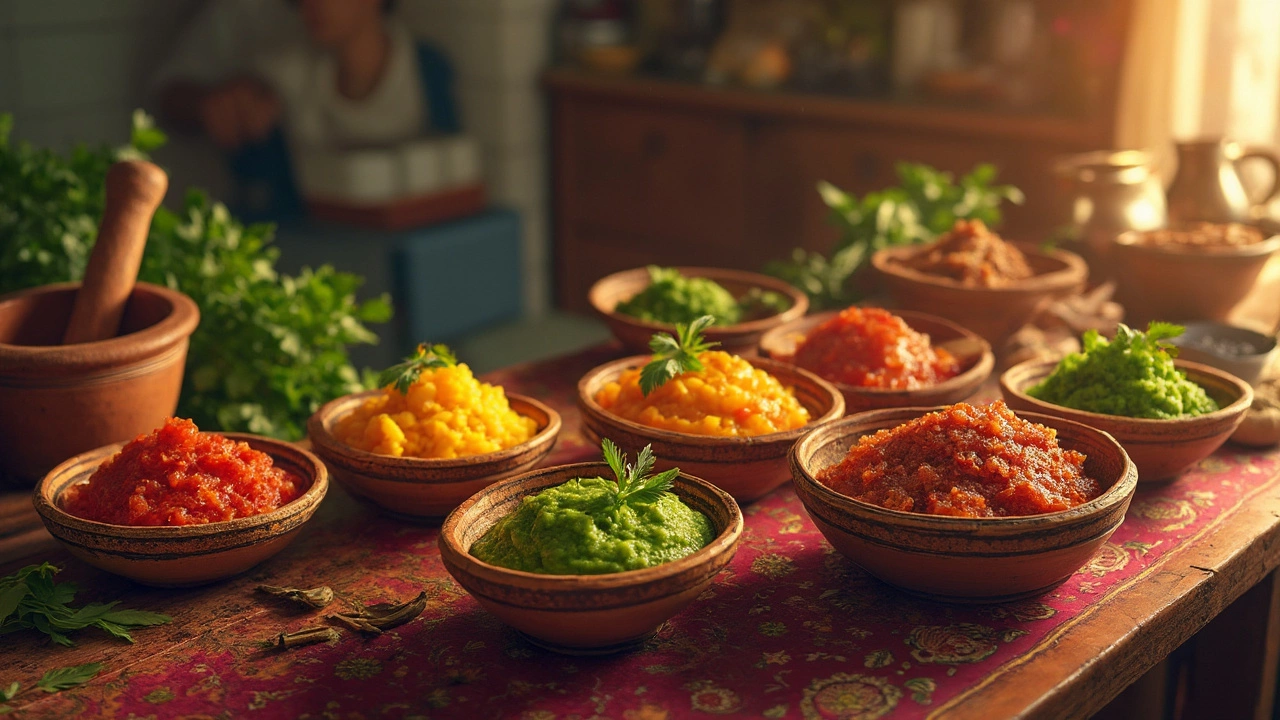
Is Chutney Always Spicy? Unravel the Flavorful Mystery
Chutney is a staple in many cuisines, known for its wide range of flavors and not just its spiciness. While often associated with heat, chutneys come in various profiles, including sweet, tangy, and mild. This article explores the different types of chutney, providing tips on how to balance flavors and create your own unique blend at home. Discover how chutneys can transform any dish with their versatile and flavorful touch.
learn more