Spices in Indian Cooking: Essential Flavors, Uses, and Secrets
When you think of Indian food, you’re really thinking about spices, the heart of flavor in South Indian kitchens, used not just to taste good but to balance, preserve, and heal. Also known as masalas, they’re the reason your dosa crisps up right, your biryani smells like a festival, and your curry doesn’t taste flat. These aren’t just seasonings—they’re the foundation. Every dish, from a simple dal to a rich paneer butter masala, starts with a careful dance of whole and ground spices.
Turmeric, a bright yellow root with anti-inflammatory power, is the quiet backbone of most Indian curries. It’s in your chicken curry base, your dal, even your rice for biryani. Then there’s garam masala, a warm, aromatic blend that’s added at the end to lift the whole dish. It’s not one spice—it’s a family: cinnamon, cardamom, cloves, black pepper, cumin, and coriander, toasted and ground fresh. Skip it, and your food loses its soul. And let’s not forget curry leaves, the fragrant green leaves that sizzle in hot oil to start a dish. You won’t find them in a jar of store-bought curry powder, but every home cook in Mysore swears by them.
Spices aren’t just about taste—they’re about timing. Add cumin too early, and it burns. Add garam masala too late, and it’s weak. Use too much turmeric, and your dish turns bitter. That’s why recipes don’t just say "add spices"—they say "toast cumin seeds until they pop," or "add turmeric after the onions soften." The same spices make your dosa batter ferment right, your chutney bright, and your biryani rice stay separate. Even the lemon in biryani? It’s there to make the spices sing louder.
You’ll find these same spices in almost every post here—whether it’s fixing a soft dosa, balancing biryani heat, or making curry without a mix. They’re the common thread. You’ll learn how to buy them fresh, store them right, and use them without guesswork. No fluff. No fancy terms. Just what works in real kitchens, from Mysore to your stove.
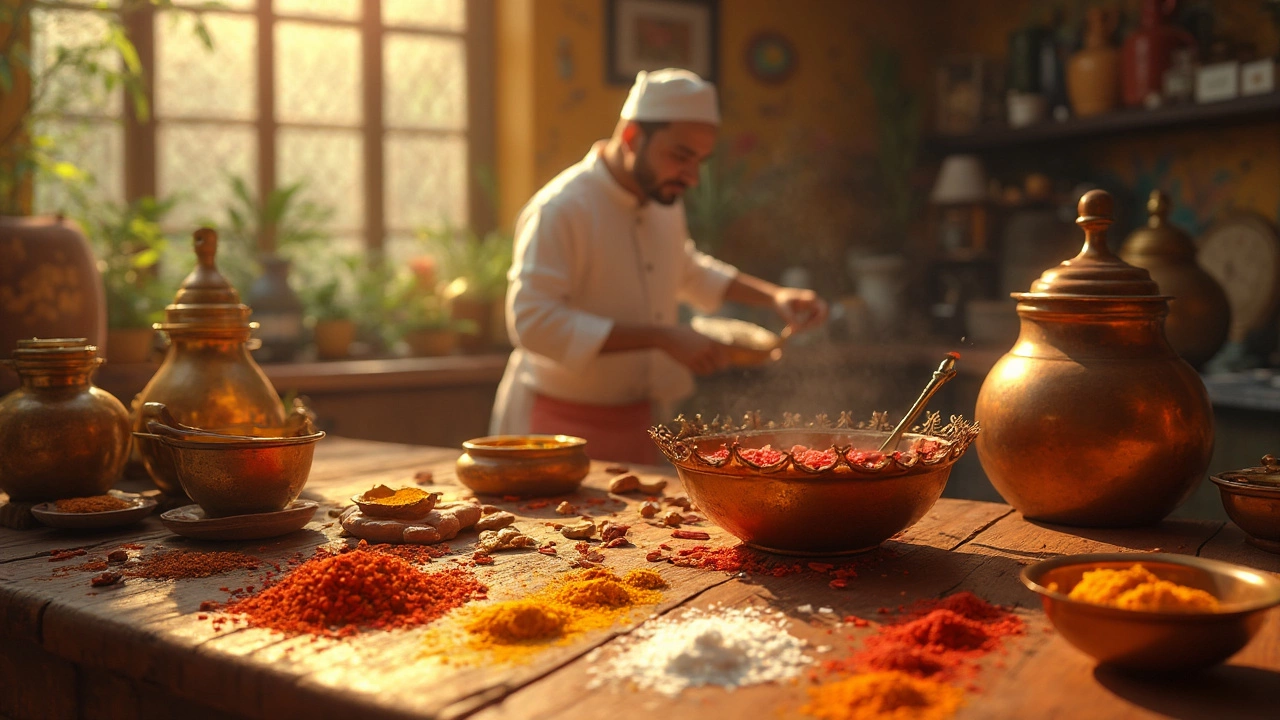
Tandoori Sauce Taste: What Does Tandoori Sauce Really Taste Like?
Curious about tandoori sauce? This article breaks down its true flavors, key ingredients, and why it stands out in Indian cooking. Find out how tandoori sauce transforms plain chicken into a punchy, unforgettable meal. Get real tips on making or choosing the right sauce. You'll even discover fresh facts that'll make your next Indian takeout order ten times better. Read on to demystify what tandoori sauce really brings to the table.
learn more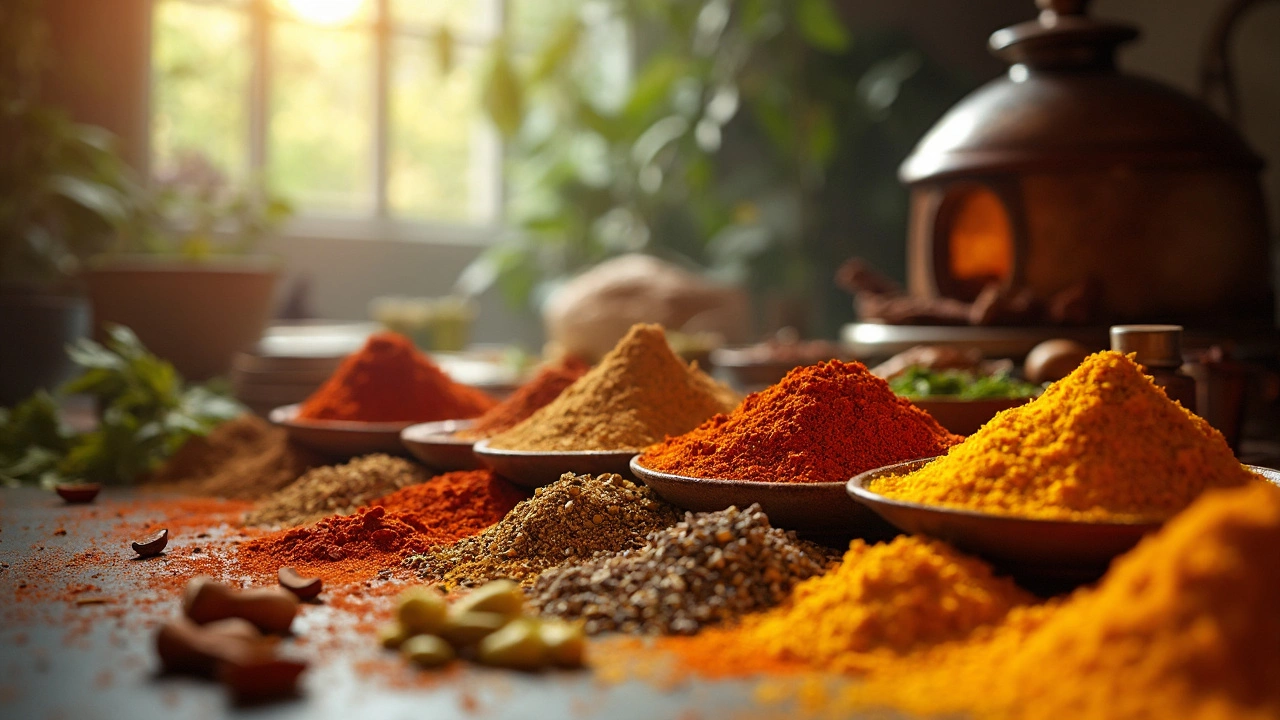
Is Garam Masala the Same as Tandoori? Let's Settle the Debate
Garam masala and tandoori are both popular spices in Indian cooking, but they're not the same. Garam masala is a mix of ground spices used in many Indian dishes, while tandoori refers to a cooking style and a specific spice blend used mainly in tandoori chicken. Understanding the difference can enhance your culinary adventures. Get the lowdown on how these spices are used, their unique flavors, and tips for your own kitchen.
learn more