Spice in Indian Cooking: Key Flavors, Uses, and Secrets
When you think of Indian food, you’re really thinking about spice, a blend of ground seeds, roots, and fruits that transform cooking into an experience. Also known as masalas, it’s not just heat—it’s layers of aroma, warmth, and balance that make every dish come alive. Spice isn’t added randomly. It’s timed, toasted, tempered, and tuned to bring out the best in rice, lentils, meats, and vegetables. In Mysore-style cooking, spice is the silent conductor—never shouting, always guiding.
Take turmeric, a bright yellow root with powerful anti-inflammatory properties. It’s in nearly every curry base, not just for color, but because it deepens flavor and helps other spices penetrate. Then there’s garam masala, a warming blend of cinnamon, cardamom, cloves, and black pepper, added at the end to preserve its fragrance. These aren’t interchangeable. Using one in place of the other is like swapping salt for sugar—you’ll get something edible, but not right. And then there’s the simple truth: a dosa won’t crisp up right without the right spice in the batter. A biryani loses its soul without whole spices blooming in hot ghee. Even chutneys rely on spice—not just for kick, but for balance.
Spice doesn’t mean overwhelming heat. It means control. Knowing when to add cumin to onions, when to hold back chili powder, when to let cardamom shine. That’s why recipes don’t just list quantities—they explain the why. Why lemon in biryani? To cut through spice. Why soak urad dal overnight? To let fermentation unlock its natural depth. Why avoid metal bowls for tandoori marinades? Because metal can react with acidic spices and ruin the texture. Every post in this collection answers one question: how does spice work?
You’ll find guides on fixing overly spicy biryani, blending your own curry powder, using coconut milk without curdling, and even how to stop lentils from making you gassy. There’s no mystery here—just clear, tested steps. Whether you’re making dosa batter, chicken curry, or a sweet like phool jhadi, spice is the thread tying it all together. What you’ll find below isn’t just recipes. It’s the real talk about how Indian kitchens actually use spice—day after day, meal after meal.
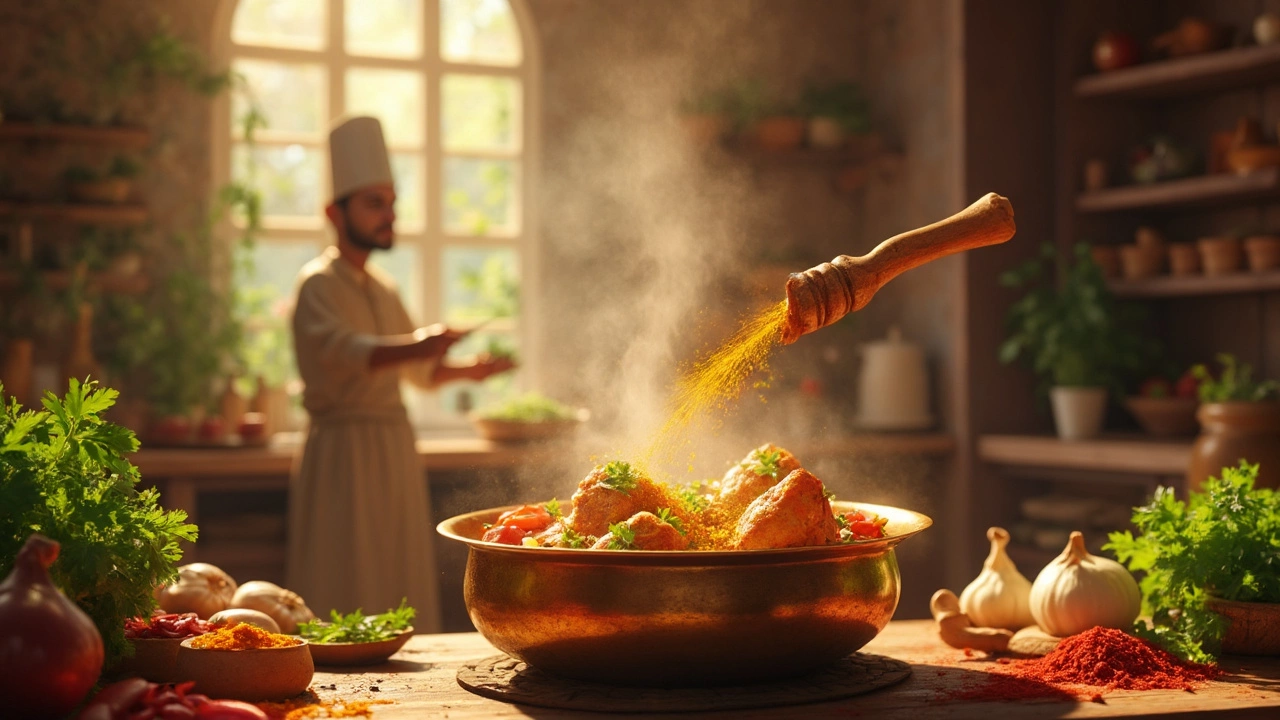
What is the Most Important Spice in Curry? Essential Tips for Chicken Curry Fans
So, what really makes a curry taste like curry? This article digs into the absolute must-have spice in curry, especially if you love chicken curry. You'll find out how this one spice changes everything, why chefs rely on it, and how to use it for the best flavor. Packed with real tips, common mistakes to avoid, and ingredient hacks, it’s a quick guide for both beginners and curry pros. No fluff, just real kitchen help for anyone making curry at home.
learn more