Soft Paneer: How to Make It Perfect and What to Pair It With
When you think of soft paneer, a fresh, unaged Indian cheese made by curdling milk with lemon juice or vinegar. Also known as chhena, it’s the heart of countless North and South Indian curries, snacks, and desserts. Unlike firm paneer that holds its shape for grilling, soft paneer melts gently into gravies, soaking up spices like a sponge. It’s not just a cheese—it’s a texture experience. And if yours turns out rubbery or dry, you’re not alone. Most people overcook it, skip the soaking step, or use the wrong milk.
What makes soft paneer different from halloumi, a salty, grillable cheese from Cyprus that doesn’t melt? Halloumi is meant to hold up on the grill. Soft paneer is meant to dissolve into butter masala or korma. You can’t swap them. And while paneer butter masala, India’s most ordered vegetarian dish relies on soft paneer for its creamy richness, you’ll also find it in simple home meals like paneer bhurji or stuffed parathas. The key is moisture—freshly made, gently pressed, then soaked in warm water for at least 20 minutes. Skip that, and you get chalky cubes that taste like disappointment.
Most recipes tell you to press paneer for an hour. That’s for firm paneer. For soft, you press it just long enough to remove excess whey—maybe 10 minutes under a light weight. Then, dunk it in lukewarm water. That’s the secret. The water rehydrates the curds, keeps them tender, and lets them absorb flavor when cooked. If you’re making it for biryani or curry, don’t fry it first. Just drop it straight into the sauce. High heat turns it tough. Low and slow is the rule.
And don’t forget the milk. Full-fat cow’s milk gives the best texture. Low-fat or toned milk? You’ll get grainy, crumbly paneer every time. And no, store-bought paneer won’t cut it unless it’s labeled "fresh" and soft. Most supermarket versions are dry, aged, and meant for frying. Real soft paneer is made the same way it’s been in Mysore homes for generations: boil, curdle, drain, soak, use.
What do you eat it with? Think creamy gravies, sweet syrups, or even crumbled over poha. It’s in paneer butter masala, yes—but also in rasgulla, a syrup-soaked Indian sweet made from soft paneer balls. It’s the base for breakfast snacks, lunch curries, and dessert. The same cheese, two completely different worlds.
Below, you’ll find real fixes for common paneer mistakes, the best ways to use it in everyday meals, and why some recipes fail while others taste like they came straight from a Mysore kitchen. No fluff. Just what works.
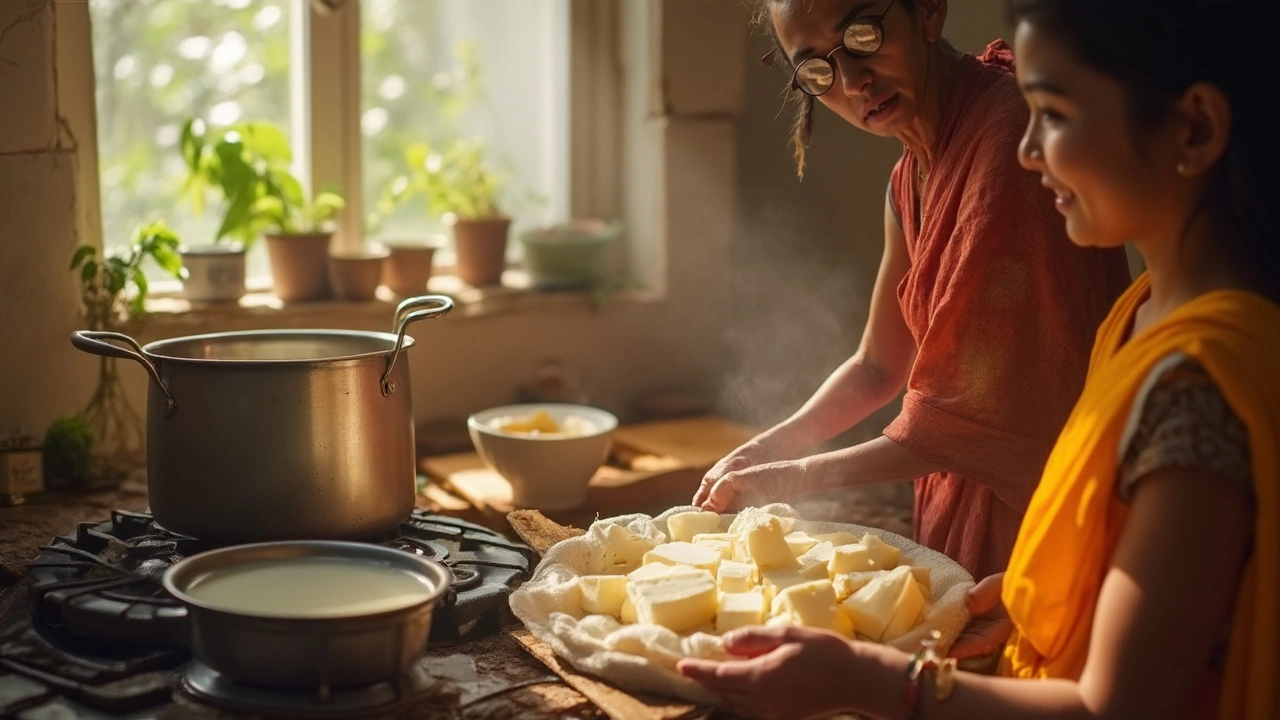
Why Is Store-Bought Paneer So Hard? The Real Reason Behind the Texture
Have you ever wondered why the paneer from the supermarket feels tougher than the fluffy cubes you get at home? Store-bought paneer is often firmer, crumbly, and doesn't soak up curry as well. This article breaks down the science behind the texture difference and offers easy ways to get soft, melt-in-your-mouth paneer at home. Get ready for practical kitchen tips and some surprising insights into the paneer-making process. If you're tired of chewy, dry cubes, you're in the right place.
learn more