Soft Dosa: How to Get the Perfect Texture and Why It Matters
When you think of soft dosa, a thin, tender South Indian fermented crepe made from rice and urad dal batter. Also known as Mysore dosa, it’s the kind of breakfast that doesn’t just fill you up—it makes you want to make it again tomorrow. Unlike crispy dosas that crackle when you bite into them, soft dosas stay pliable, slightly chewy, and perfect for soaking up chutney or curry. They’re not a mistake—they’re a technique. And most people get them wrong because they’re chasing crispiness instead of understanding fermentation.
The secret to a soft dosa isn’t in the pan or the oil. It’s in the batter. A 1:3 ratio of urad dal, a black lentil that adds fluffiness and structure to dosa batter to rice gives the right lift, but only if it’s soaked long enough and fermented in a warm spot. Too little urad dal? Your dosa turns brittle. Too much? It gets gummy. And if you skip the fermentation—or rush it with warm water—you’re not making dosa. You’re making flat rice pancakes. The batter needs time. At least 8 to 12 hours. In colder climates, it might take two days. That’s not a flaw. That’s the process.
Temperature matters too. A cold griddle won’t help. You need a hot surface—just right—to set the edges fast while keeping the center soft. And don’t pour too much batter. Thin is key. A thick layer turns into a dumpling, not a dosa. You don’t need fancy tools. A cast iron tawa works better than non-stick. And yes, you can make it vegan. No yogurt needed. Just good batter, patience, and a little heat.
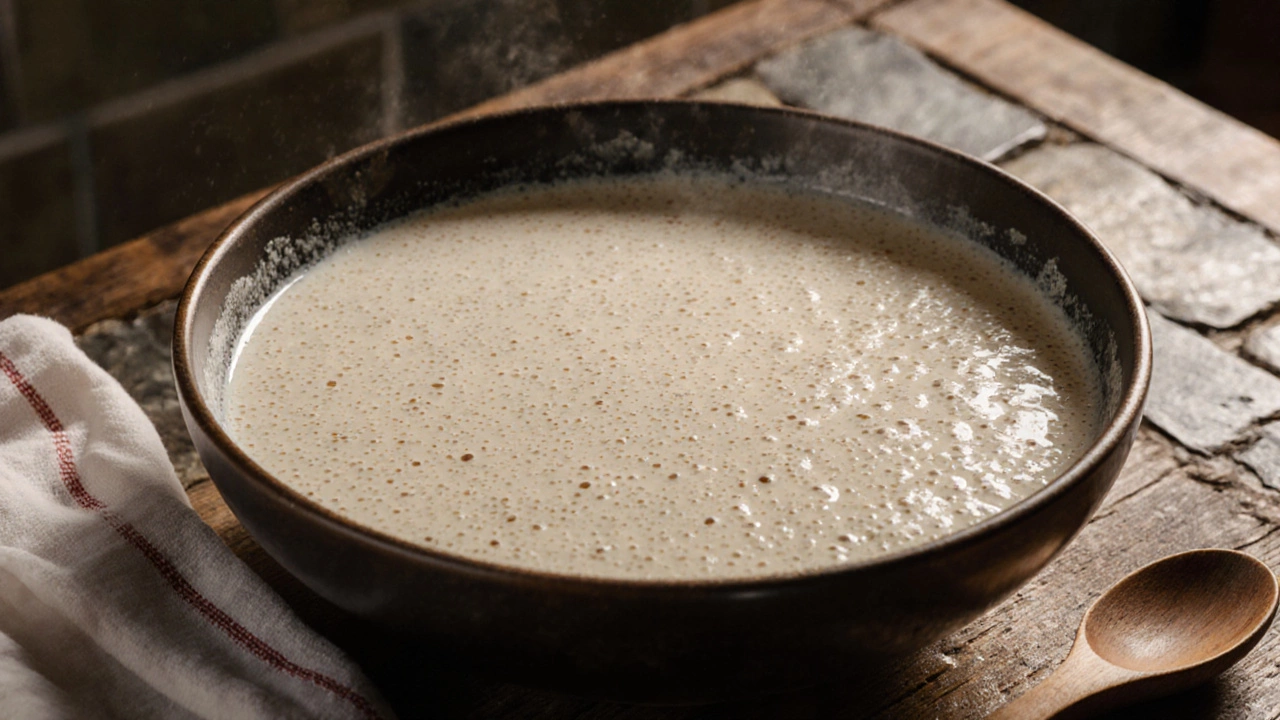
People ask why their dosa won’t lift off the pan. It’s not the oil. It’s the batter. If it’s under-fermented, it sticks. If it’s over-fermented, it smells sour and falls apart. The sweet spot is when the batter smells slightly tangy, puffy, and bubbles slowly when you stir it. That’s when you know it’s ready. And if you’ve ever had a soft dosa at a street stall in Mysore, you know it’s not just about taste. It’s about texture—the way it folds gently around masala or chutney without tearing.
This collection brings you the real fixes: how to adjust your rice and urad dal ratio, why your batter won’t ferment in winter, how to tell if it’s gone bad, and what to do if you forgot to soak the lentils. You’ll find out why some cooks add fenugreek seeds, how humidity affects the rise, and whether you can use leftover batter the next day. No fluff. No theory. Just what works—tested, repeated, and trusted by home cooks who make dosa every morning.
Why Is My Dosa Soft and Not Crispy? Fix Your Batter and Technique
Soft dosa instead of crispy? It’s usually due to under-fermented batter, wrong consistency, or a cold pan. Learn how to fix your dosa recipe with simple steps for perfect crispness every time.
learn more