Soak Rice: Why It Matters for Perfect Dosa, Idli, and Biryani
When you soak rice, the process of letting raw rice sit in water before grinding or cooking. Also known as rice hydration, it’s not just a suggestion—it’s the quiet hero behind every crispy dosa, pillowy idli, and separate-grain biryani. Skip it, and your batter won’t ferment right. Your rice turns mushy. Your flavors stay flat. This isn’t magic—it’s science, and it’s been perfected over generations in Mysore kitchens.
Soaking rice isn’t the same as washing it. You’re not just rinsing off dust—you’re activating enzymes, softening starch, and preparing the grain for fermentation or controlled cooking. For dosa batter, a fermented mix of rice and urad dal used to make crispy South Indian pancakes, soaking rice for 4–6 hours lets it absorb just enough water to grind smoothly with the lentils. Too little? The batter turns gritty. Too long? It gets slimy. The sweet spot? Just enough to let the natural yeasts do their work later.
And it’s not just dosa. idli, steamed rice-and-lentil cakes that are a staple breakfast across South India, relies on the same principle. The soaked rice breaks down into a light, airy paste that rises beautifully when fermented. Even biryani rice prep, the parboiling step that ensures grains stay separate and fragrant starts with soaking. Basmati rice soaked for 30 minutes before boiling expands evenly, so it doesn’t break during cooking. That’s why your biryani stays fluffy—not sticky.
People think soaking is optional. It’s not. It’s the invisible hand that shapes texture, flavor, and digestibility. Under-soaked rice leads to hard centers in idlis. Over-soaked rice turns sour too fast. The right soak time balances moisture, acidity, and microbial activity. That’s why recipes from Mysore don’t say "soak for a few hours"—they say "soak until the grains swell and feel soft between your fingers." It’s sensory, not timed.
What you’ll find in this collection isn’t just a list of recipes. It’s a deep dive into how soaking rice connects to everything else—why dosa batter fails, why biryani rice turns gummy, why your idlis won’t rise. You’ll see how soaking time changes with climate, how water temperature affects fermentation, and why some cooks soak rice overnight while others use warm water. No fluff. No guesswork. Just the real reasons behind the step you’ve been skipping.
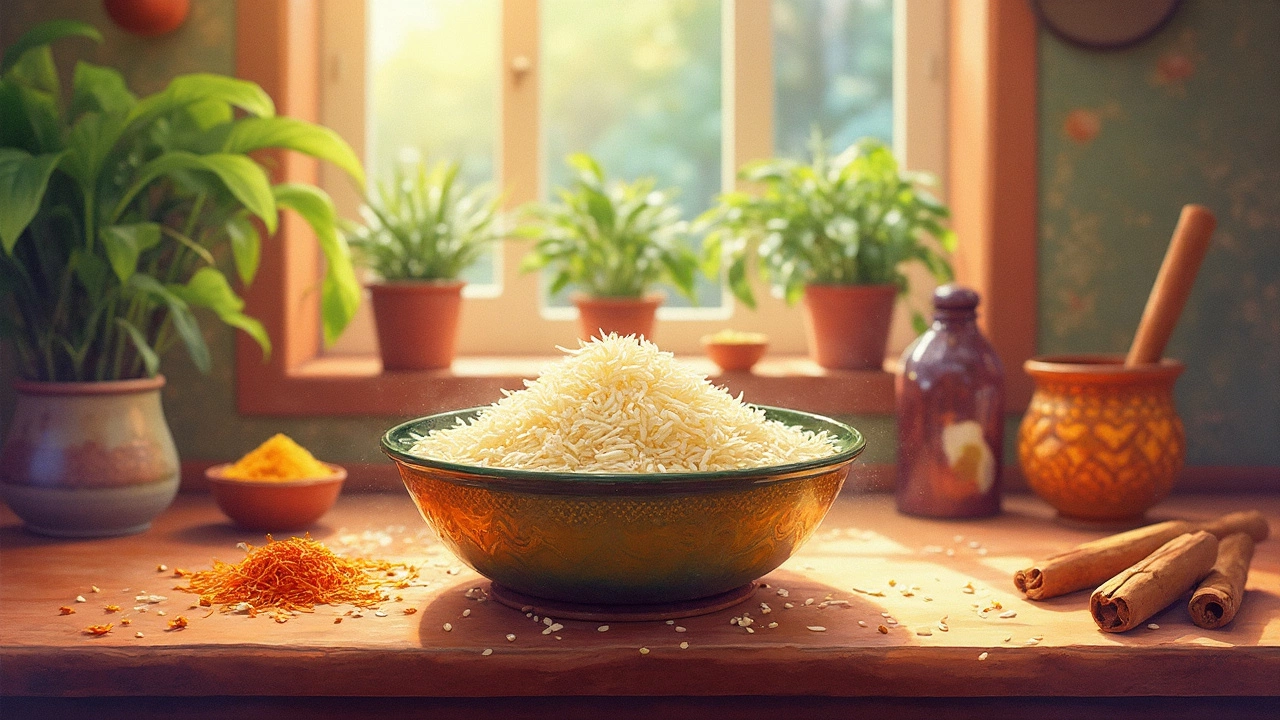
Soaking Rice Overnight for Biryani: Does It Make a Difference?
Soaking rice overnight for biryani can enhance its texture and flavor, making the dish more delightful. This process allows the rice to absorb water, reducing cooking time and leading to fluffy grains. Learn how this traditional technique could improve your biryani and explore some additional tips for perfecting your recipe. Whether you're a seasoned cook or a beginner, discover the benefits and step-by-step guidance on preparing rice for biryani.
learn more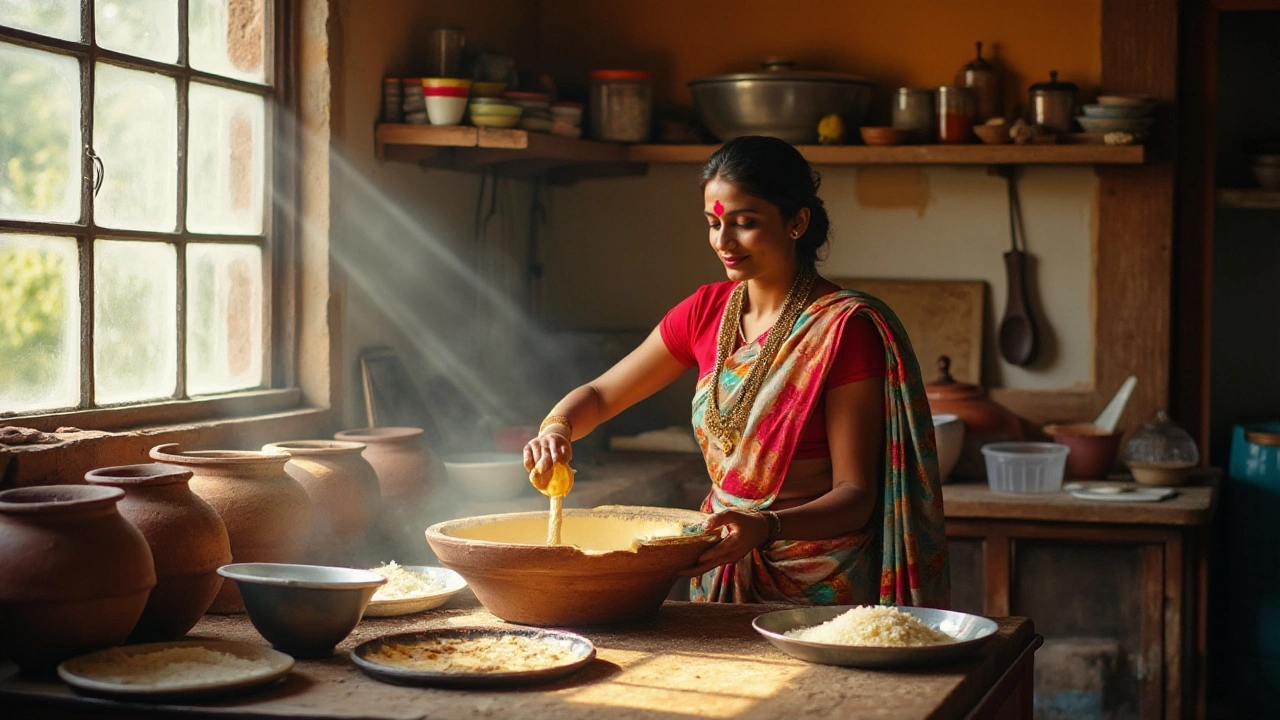
Perfect Soaking Time for Dosa Batter: Tips and Techniques
To create the perfect dosa, a popular South Indian dish, it's essential to understand the proper soaking technique for rice used in the batter. This article provides insights on how long rice should be soaked to achieve the right texture and flavor. It also offers tips on the types of rice to use, the benefits of soaking, and useful practices to ensure your dosa is crispy and delicious every time.
learn more