Seven Curry: What It Is, How It's Made, and Why It Matters in Indian Kitchens
When people talk about seven curry, a traditional South Indian spice blend used to build deep, layered flavor in curries. It's not a pre-mixed powder you buy at the store—it's the practice of using seven core spices, often in specific ratios, to create a base that’s aromatic, earthy, and never one-note. This isn’t magic. It’s method. And it’s how home cooks in Mysore and beyond make their curries taste like they’ve been simmering for hours—even when they haven’t.
The seven spices usually include turmeric, the golden root that gives color and anti-inflammatory power, cumin, a warm, nutty seed that grounds the blend, coriander, citrusy and slightly sweet, balancing the heat, mustard seeds, that pop and release smoke when hit with hot oil, fenugreek, bitter but essential for depth, red chili powder, for controlled heat, and curry leaves, the fragrant, waxy leaves that smell like citrus and pine. Some add asafoetida or black pepper, but the core seven stay the same. It’s not about counting exactly seven—you’re not ticking boxes. It’s about building layers so each bite has something new to offer.
Why does this matter? Because most store-bought curry powders blend everything into one flat taste. Seven curry is the opposite. It’s slow, intentional. You toast the whole spices first. You grind them fresh. You fry them in oil until they smell like the kitchen is alive. That’s the difference between a quick weeknight meal and something that feels like tradition on a plate. You’ll find this technique in recipes for chicken curry, lentil stews, and even vegetable stir-fries across Karnataka. It’s the secret behind why some curries taste like they’ve been passed down for generations—even if they were made yesterday.
What you’ll find in the posts below aren’t just recipes. They’re breakdowns of how these spices work together. You’ll learn why turmeric isn’t just for color, how curry leaves change flavor when fried, and why skipping the mustard seeds leaves a gap no chili powder can fill. You’ll also see how this same base shows up in dosa batter, biryani, and chutneys—because once you understand seven curry, you start seeing it everywhere in South Indian cooking. This isn’t about following a rigid list. It’s about learning to taste, adjust, and trust your kitchen.
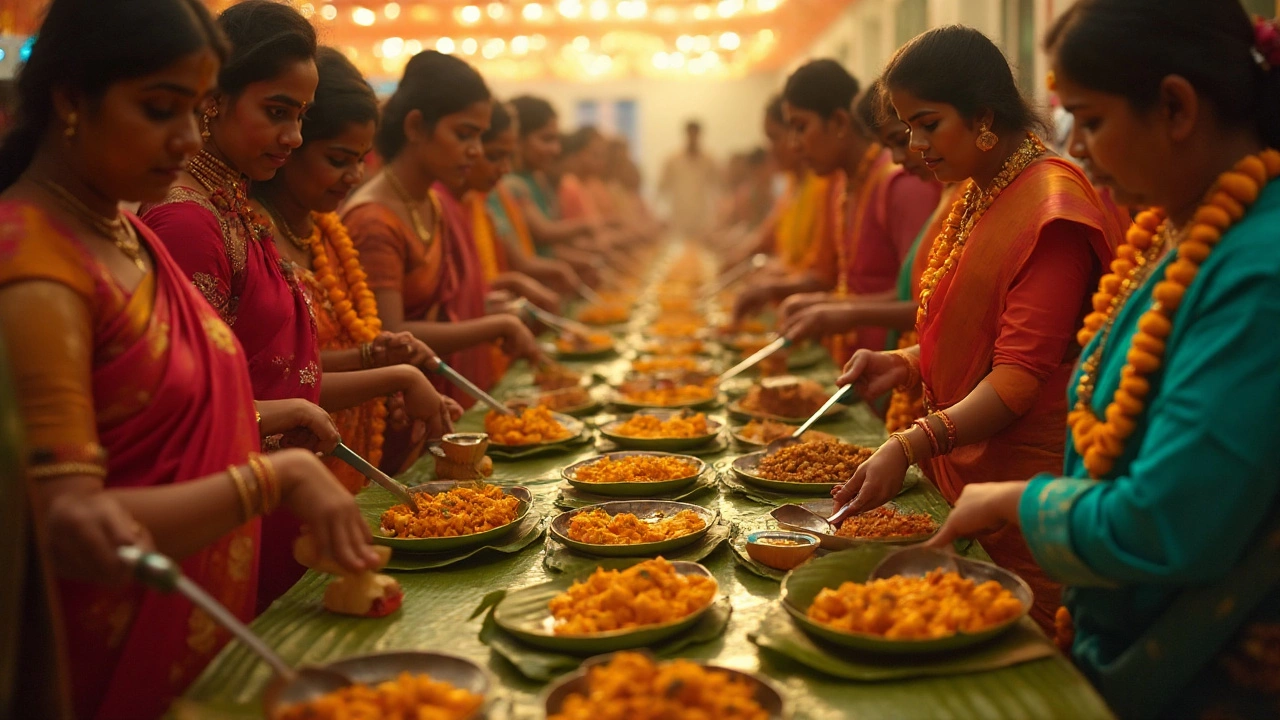
What Are the 7 Curries? The Classic Indo‑Guyanese Seven Curry Explained
Curious about the 7 curries at Indo‑Guyanese weddings? See the classic list, popular swaps, quick cooking playbook, quantities for guests, and serving traditions.
learn more