Salsa vs Chutney: Key Differences and How They're Used in Cooking
When you think of salsa, a fresh, chunky condiment from Mexico made with tomatoes, chilies, onions, and lime. Also known as tomato salsa, it's often served cold with chips or grilled meats. You might picture a bright red mix with a kick. Now think of chutney, a thick, spiced relish from South Asia, often cooked with fruit, vinegar, sugar, and Indian spices like mustard seed or curry leaves. Also known as Indian relish, it’s used to balance the heat and richness of meals like dosa, samosa, or biryani. They look similar—both are spoonable, both add punch—but they’re not interchangeable. One comes from the streets of Mexico City; the other from the kitchens of Mysore. They serve different roles, use different ingredients, and even have different textures.
Salsa is usually raw or lightly cooked. It’s meant to be fresh, bright, and acidic. Think lime juice, cilantro, and raw red onion. It’s eaten quickly, often as a snack or topping. Chutney, on the other hand, is often simmered for hours. It’s sweet, tangy, and spicy all at once. You’ll find mango chutney with a syrupy thickness, coconut chutney with a creamy grind, or tamarind chutney with a deep sourness. While salsa is about immediate flavor, chutney is about depth. It’s made to last—stored in jars, used over weeks, and layered into meals. You don’t just eat chutney with a chip. You spread it on a dosa, spoon it over rice, or pair it with paneer. British chutney, which shows up in your grocery aisle, is a sweet-and-sour version of this same idea, but it’s still closer to Indian chutney than Mexican salsa.
What you’ll find in the posts below isn’t just a list of recipes. It’s a clear look at how chutney works in real Indian meals—from dosa batter that needs a side of mint chutney, to biryani that benefits from a tangy tomato chutney on the side. You’ll see why lemon is used in biryani to lift flavors, how coconut milk behaves in curry, and why the right spice blend turns a simple dish into something unforgettable. You’ll also find guides on how to eat British chutney, what foods pair best with chutney, and how to fix a soft dosa that’s crying out for the right condiment. There’s no fluff here—just real, tested ways to use these condiments the way they’re meant to be used. Whether you’re making your first batch of coconut chutney or wondering why your salsa doesn’t taste like the one at your favorite taco spot, this collection gives you the why and the how.
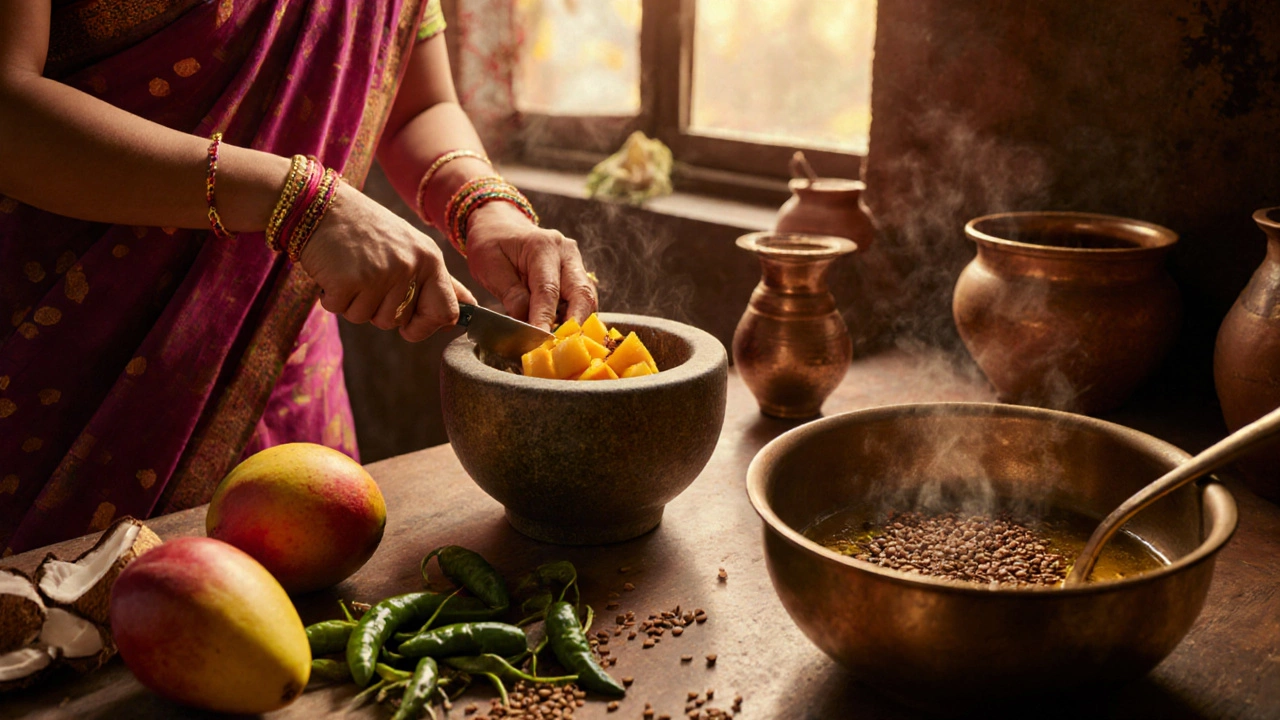
Is Salsa a Chutney? The Real Difference Between Two Popular Condiments
Salsa and chutney look similar but come from different culinary worlds. Learn why they're not interchangeable and what makes each one unique in flavor, ingredients, and tradition.
learn more