Safe Eating in India: What You Need to Know About Food Safety and Traditional Meals
When you think of safe eating in India, the practice of enjoying Indian food while minimizing health risks through smart choices and awareness, it’s not about avoiding the food—it’s about understanding how it’s made. Millions eat Indian meals every day without issue, from bustling street stalls to quiet home kitchens. The key isn’t perfection—it’s knowing what to look for and what to skip. traditional Indian meals, daily dishes like dal, roti, rice, dosa, and curries that form the backbone of Indian home cooking are often safer than you think because they’re cooked fresh, served hot, and built with ingredients that naturally fight bacteria—like turmeric, garlic, and mustard oil. And when it comes to street food safety, the practices and choices that make roadside snacks like samosas, chaat, and dosas safe to eat despite open-air preparation, it’s less about where it’s sold and more about how it’s handled.
You don’t need to avoid India’s famous food scene to stay healthy. In fact, many of the most trusted meals are the simplest ones: hot rice with lentils, crispy dosas served fresh off the griddle, or spiced curries simmered for hours. These dishes aren’t just flavorful—they’re designed for safety. Boiling, frying, fermenting, and slow-cooking kill off harmful microbes. Fermented batter for idli and dosa? That’s good bacteria at work. Turmeric in your curry? It’s not just for color—it’s a natural antimicrobial. Even something as basic as lemon juice in biryani or chutney isn’t just for taste—it helps lower pH and keeps things stable. What you should watch for aren’t the spices or the cooking methods, but the water used, the storage of raw ingredients, and whether food sits out too long in heat. A vendor who changes oil daily, uses clean utensils, and serves food piping hot is far safer than one who reuses oil or leaves food uncovered. And if you’re cooking at home, the same rules apply: wash your hands, keep raw and cooked foods separate, and never let cooked food sit out for more than two hours in warm weather.
There’s no magic checklist, but there are clear patterns. The most common food safety mistakes aren’t about exotic ingredients—they’re about shortcuts. Using tap water to wash produce, storing chutney in unclean containers, or letting dosa batter sit too long without proper fermentation can all lead to trouble. But when you know what to look for, you can enjoy everything from paneer butter masala to poha without worry. Below, you’ll find real, practical advice from people who cook these meals every day—how to fix soft dosas, why lemon makes biryani safer, how to stop lentils from causing gas, and what spices actually protect your stomach. These aren’t theories. They’re habits passed down through generations, tested by time and taste. Eat smart. Eat safe. Eat well.
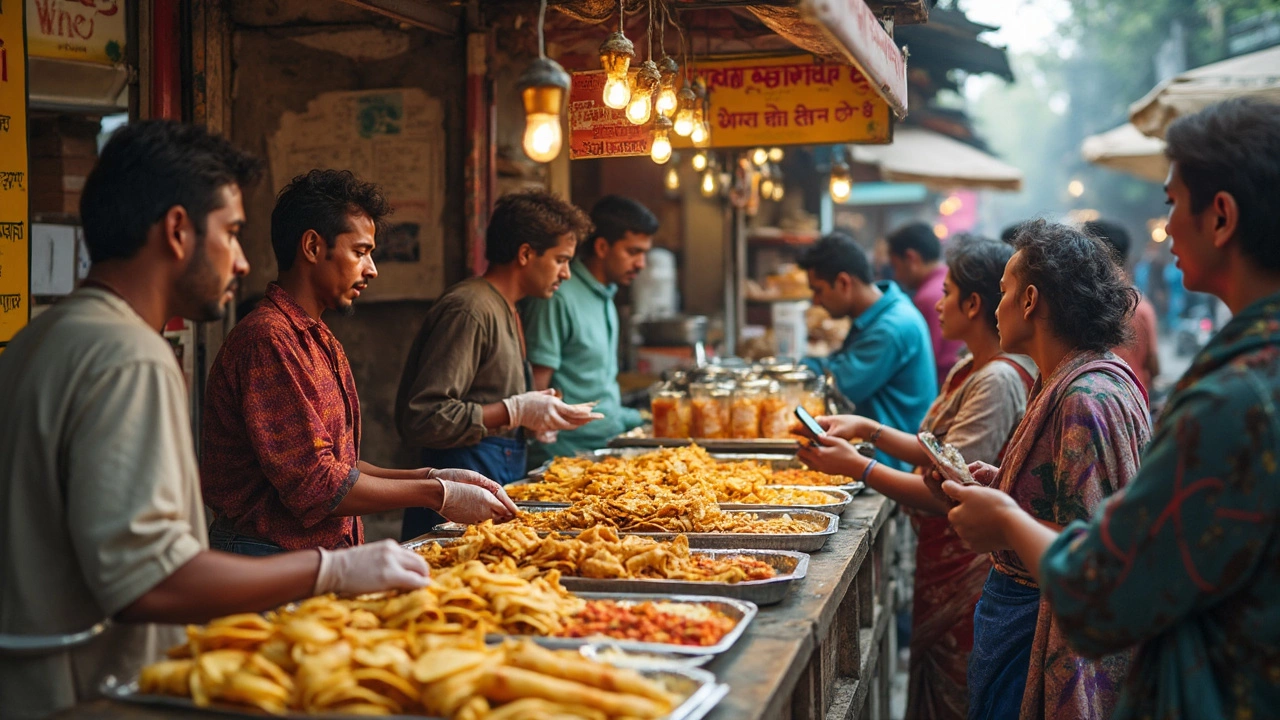
How to Avoid Getting Diarrhea in India: Vegetarian Dishes Edition
Tummy troubles can quickly ruin your trip to India, but they don’t have to if you know what to watch out for. This guide covers the smartest ways to enjoy vegetarian Indian dishes without risking a bout of diarrhea. Get tips on what to eat, what to skip, and how to spot safe street food stalls. Learn simple tricks for handling water and raw foods, straight from seasoned travelers. Worried about spice, cleanliness, or tricky restaurant menus? Here’s how to stay healthy and enjoy every bite.
learn more