Roti Tips: Simple Ways to Make Perfect Flatbread Every Time
When you think of daily Indian food, roti, a simple, unleavened flatbread made from whole wheat flour and water. Also known as chapati, it’s the backbone of millions of meals across India—eaten with dal, curry, or just ghee. It’s not fancy, but getting it right? That’s where most people struggle. Too hard. Too thick. Sticks to the pan. Burnt on one side. Sound familiar?
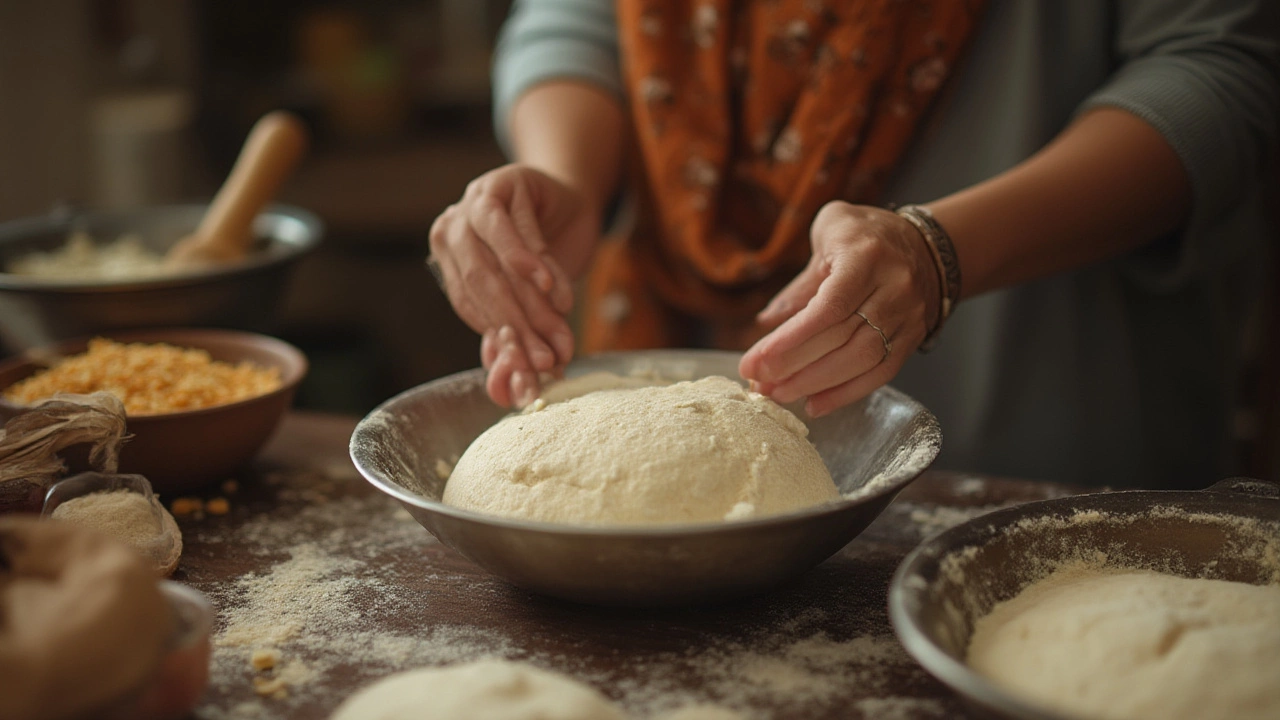
You don’t need a tandoor or a fancy rolling pin. You just need the right dough, the right heat, and a few small tricks. The key isn’t in the recipe—it’s in the dough consistency, how hydrated and rested your flour-and-water mix is before rolling. Too dry? Your roti cracks. Too wet? It tears. The sweet spot is soft, pliable, like an earlobe. And don’t skip resting it. Even 20 minutes lets the gluten relax, so your roti puffs up like a cloud instead of staying flat like a pancake.
Then there’s the cooking surface, whether it’s a cast iron tawa, a nonstick pan, or even a gas flame. A hot, even surface is non-negotiable. If your pan isn’t hot enough, your roti won’t puff. If it’s too hot, it burns before it cooks through. Test it with a drop of water—it should sizzle and evaporate instantly. And don’t press down with the spatula. Let the steam do the work. That puff? That’s the sign of a perfect roti.
And yes, flour matters. Not all whole wheat is the same. Finely ground atta gives you the smoothest texture. Coarse flour? Your roti will feel gritty. You can mix in a pinch of all-purpose flour if you want softer results, but stick to 100% atta if you want the real thing. A tiny bit of oil in the dough? Optional. Some swear by it for extra softness. Others say it stops puffing. Try both and see what works for your stove and your taste.
Don’t over-roll. Thin doesn’t mean see-through. Aim for even thickness, about the size of a dinner plate. Roll from the center out, turning the dough as you go. If you roll too much in one direction, it stretches unevenly and tears. And always keep your work surface lightly dusted with flour—just enough to prevent sticking, not so much that it gets trapped in the dough.
After cooking, stack your rotis in a cloth-lined container. The trapped steam keeps them soft for hours. Cold roti? Warm it up on the flame for 5 seconds per side. No microwave needed. That’s how it’s done in homes across Mysore, Delhi, and beyond.
Below, you’ll find real, tested advice from people who make roti every day—not just recipes, but fixes for the problems you actually run into. Why yours won’t puff. Why they get hard by lunchtime. How to make them ahead. What to do when the flour’s old. You’ll find answers that don’t require fancy tools or hours of practice. Just smart, simple steps that work.
Why Your Roti Isn’t Puffing: Solutions & Secrets for Perfect Phulka
Roti not puffing? Uncover all the real reasons, with hands-on tips, fixes, and easy secrets for soft, puffy phulka every time. Troubleshoot like a pro, next meal.
learn more