Roti Not Puffing: Why It Happens and How to Fix It
When your roti, a simple Indian flatbread made from whole wheat flour, water, and salt refuses to puff up like a balloon, it’s not broken—it’s just missing one key step. Roti should inflate into a soft, airy disc when cooked on a hot tawa. If it stays flat, the problem isn’t your recipe. It’s your dough, your heat, or your rolling. This isn’t about fancy ingredients. It’s about timing, temperature, and touch.
Most people blame the flour or think they need a special tawa, but the real issue is usually one of three things: the dough is too dry or too wet, the tawa isn’t hot enough, or the roti was rolled too thin in the center. A tawa, a flat, heavy griddle used across India for cooking roti, paratha, and dosa needs to be properly preheated—hot enough to sizzle a drop of water instantly, but not smoking. If it’s cold, the roti will dry out before steam builds up to make it puff. If it’s too hot, it burns before it inflates. And if your dough hasn’t rested for at least 30 minutes, the gluten won’t relax, and the roti will snap instead of stretch.
Another common mistake? Rolling the roti unevenly. You need a slightly thicker edge and a thinner center—like a small pizza crust. When the center is too thick, steam can’t escape evenly. Too thin, and it tears. And don’t press down with the spatula. That’s the fastest way to kill the puff. Let the heat do the work. A well-made roti puffs because trapped steam expands inside the dough. No steam? No puff. Simple as that.
Try this: after rolling, give the roti a quick tap with your fingers. If it feels stiff or cracks, the dough needs more water. If it sticks to the surface, you need more flour. If it puffs on the first try but not the second, your tawa cooled down. Wipe it clean, turn up the flame for 30 seconds, and try again. You don’t need a professional kitchen. Just a clean tawa, fresh flour, and patience.
Some think roti puffing is luck. It’s not. It’s physics. Heat turns water into steam. Steam pushes against the dough. Dough stretches. It puffs. That’s it. The same principle works for naan, paratha, and even tortillas. Master roti, and you’ve unlocked the foundation of Indian bread. The posts below cover exactly what goes wrong—and how to fix it—with real, tested steps from home cooks who’ve been there. No theory. No fluff. Just what works.
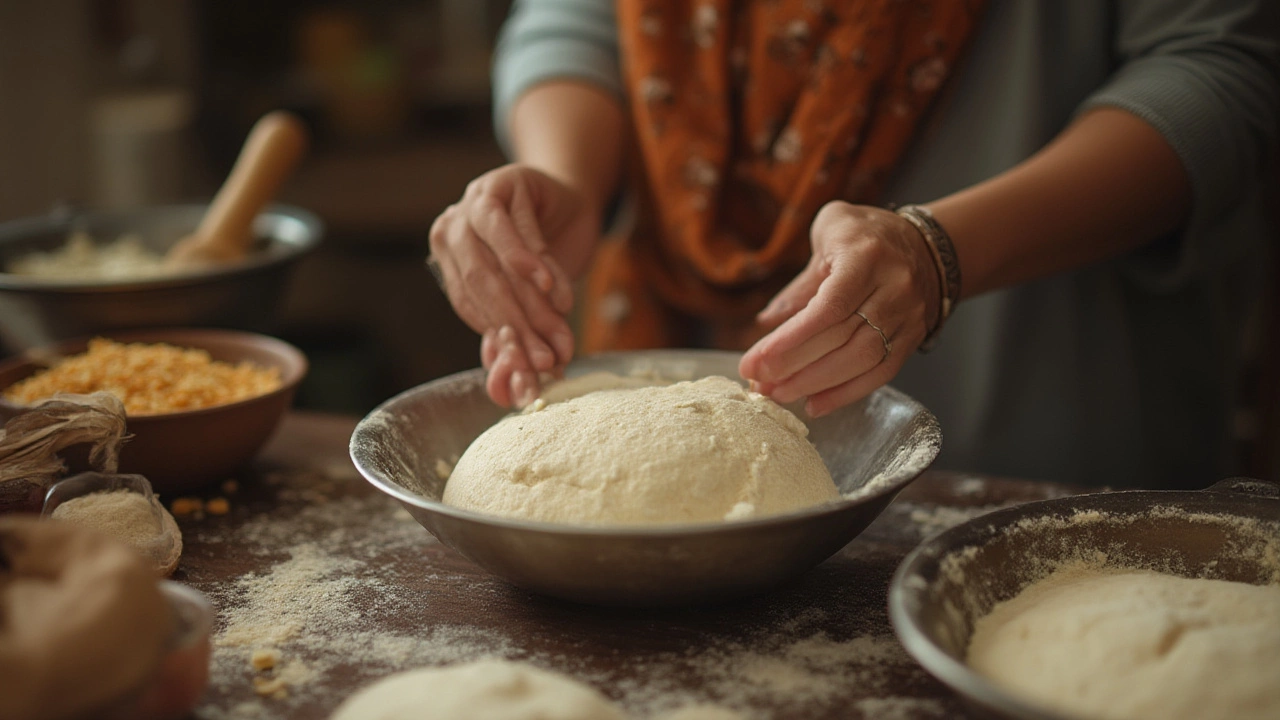
Why Your Roti Isn’t Puffing: Solutions & Secrets for Perfect Phulka
Roti not puffing? Uncover all the real reasons, with hands-on tips, fixes, and easy secrets for soft, puffy phulka every time. Troubleshoot like a pro, next meal.
learn more