Roti: The Everyday Bread That Feeds India
When you think of Indian food, you might picture spicy curries or fragrant biryanis—but for most people in India, the real star is roti, a simple, unleavened flatbread made from whole wheat flour, water, and salt. Also known as chapati, it’s not just food—it’s the foundation of countless meals, eaten with dal, vegetables, or even just ghee. You won’t find a single household in rural or urban India that doesn’t make roti at least once a day. It’s cheap, it’s filling, and it’s made with tools most people already have: a rolling pin, a tawa, and a little patience.
Roti isn’t fancy, but it’s smart. Unlike bread that needs yeast or time to rise, roti comes together in minutes. The dough is mixed, rested briefly, rolled thin, and cooked on a hot griddle. No oven needed. No fancy equipment. Just heat, pressure, and a flip. That’s why it’s so widespread. It’s the bread of farmers, students, office workers, and grandmothers alike. And while other countries have their own flatbreads—like tortillas, pita, or naan—roti is different. It’s thinner, less chewy, and made without dairy or oil in its most basic form. That’s what makes it vegan, gluten-rich, and perfect for pairing with spicy or oily dishes.
It’s no surprise that roti shows up in so many of the posts here. Whether it’s about what Indians eat daily, how to fix dosa batter, or why certain spices work so well with lentils, roti is the quiet companion on the plate. It’s the thing you use to scoop up your curry, soak up the gravy, or wrap around a spicy potato filling. You don’t need a recipe to eat it—you just need to know how to make it right. And that’s what you’ll find below: real, tested ways to get roti soft, fluffy, and perfectly cooked every time. No guesswork. No fluff. Just the methods that work in homes across Mysore and beyond.
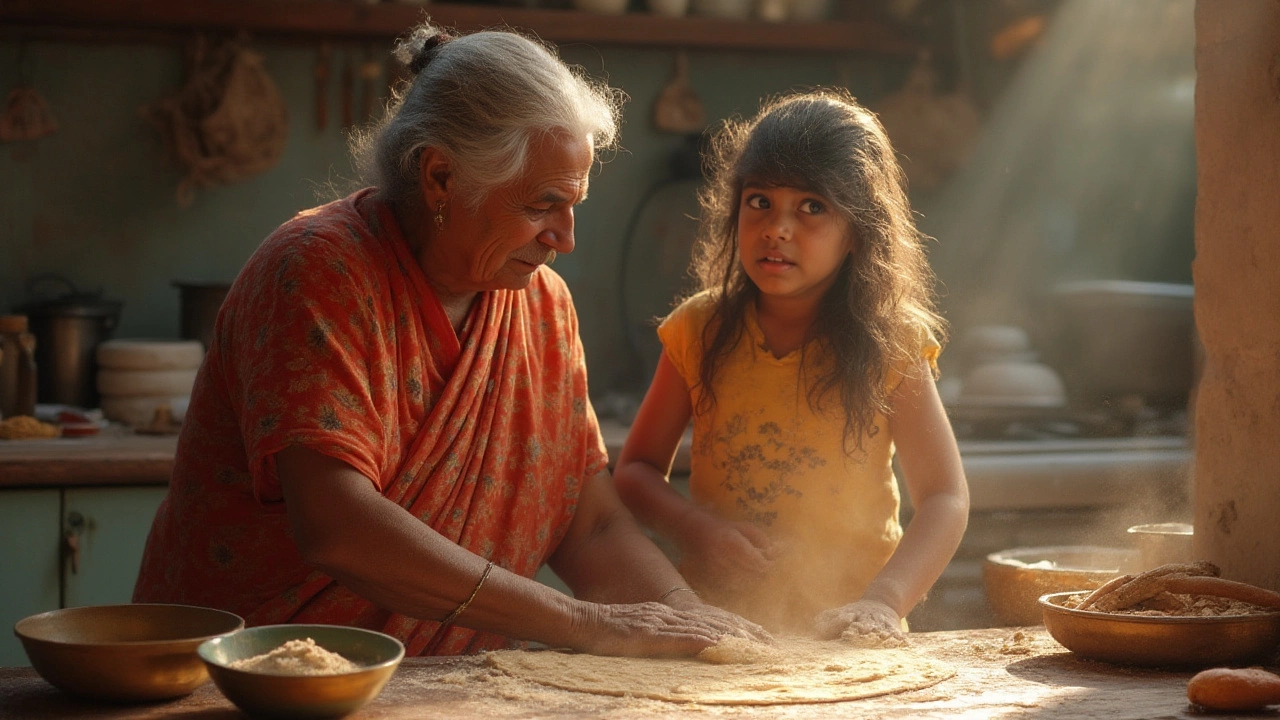
Does Roti Need Baking Powder? The Science of Perfect Homemade Flatbread
Discover whether roti needs baking powder, the science behind perfect flatbread, and get actionable tips for soft, tasty rotis every time.
learn more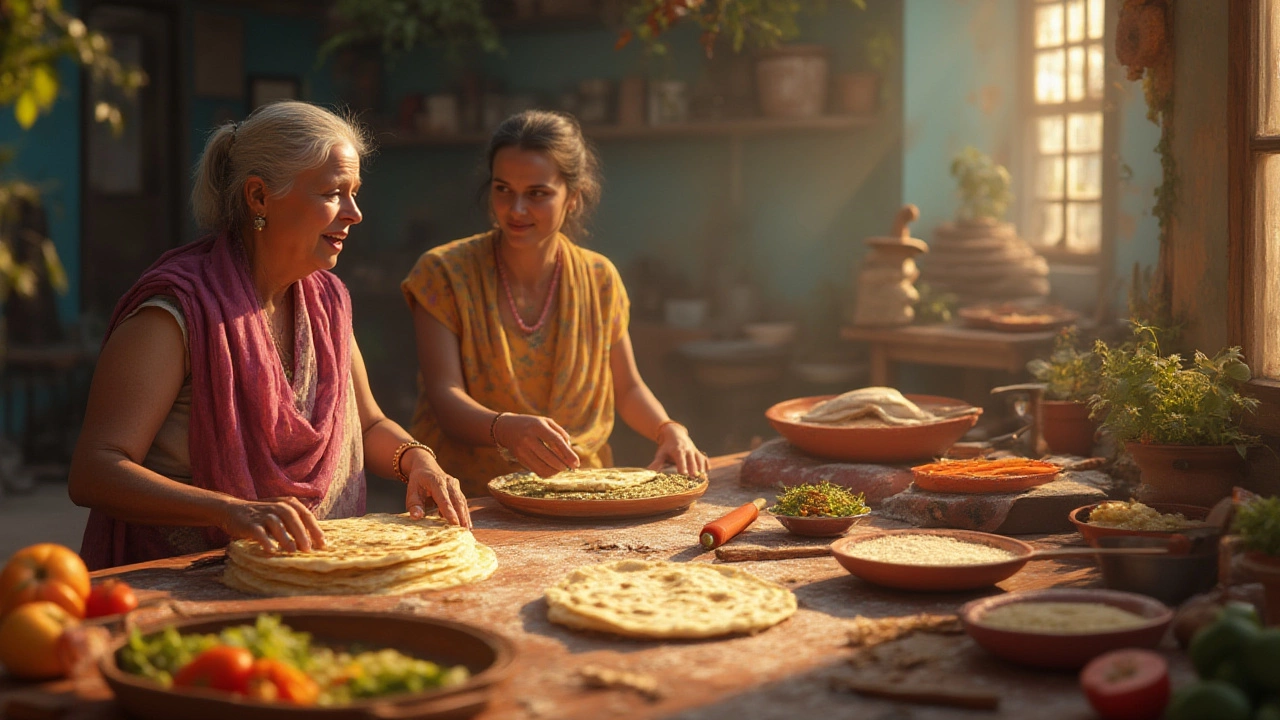
Roti vs Chapati: What's the Healthier Indian Bread for Your Diet?
Wondering if roti or chapati is better for your health? This deep dive compares nutrition, cooking styles, and which bread truly wins for your balanced diet.
learn more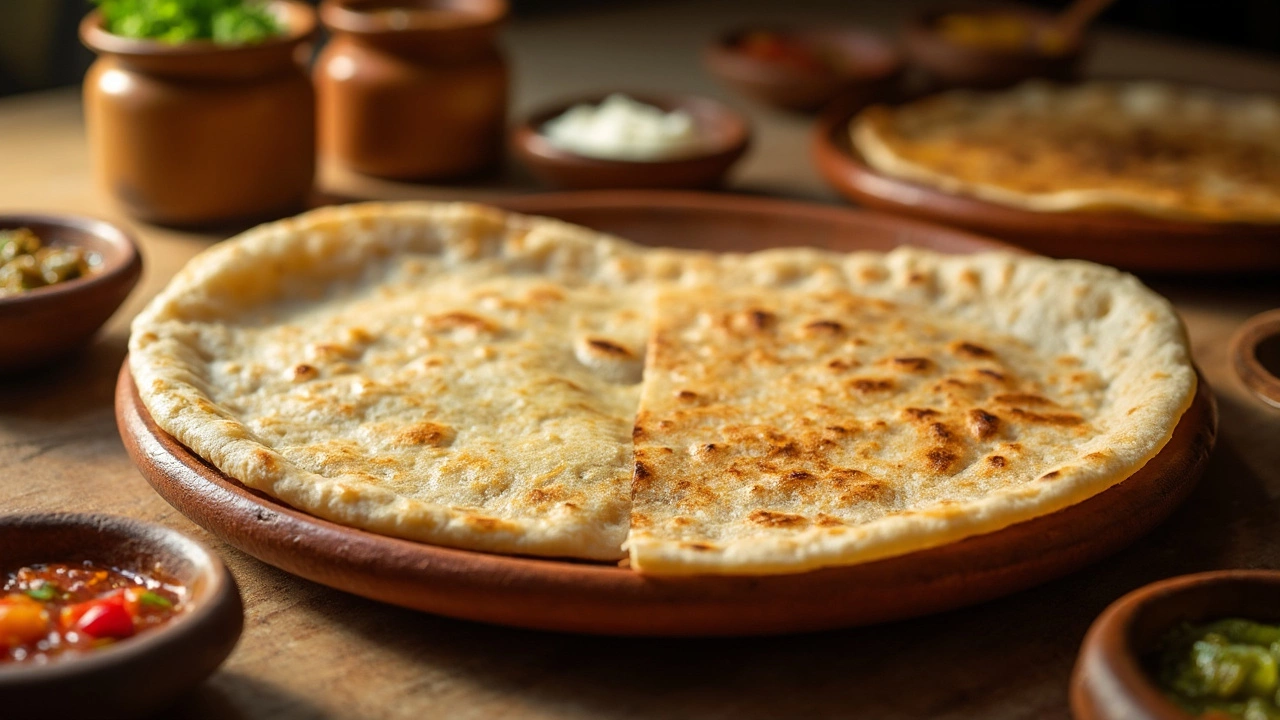
Roti vs Naan: Which Is Healthier For Your Plate?
Curious about whether roti or naan is better for your health? This article breaks down the main differences between the two, including ingredients, cooking methods, and nutrition points. Learn about calorie counts, fiber, and what really happens when you swap one flatbread for the other. Plus, get easy tips for making your next Indian meal a little lighter without giving up taste. Perfect for anyone watching calories or just looking for smart food swaps.
learn more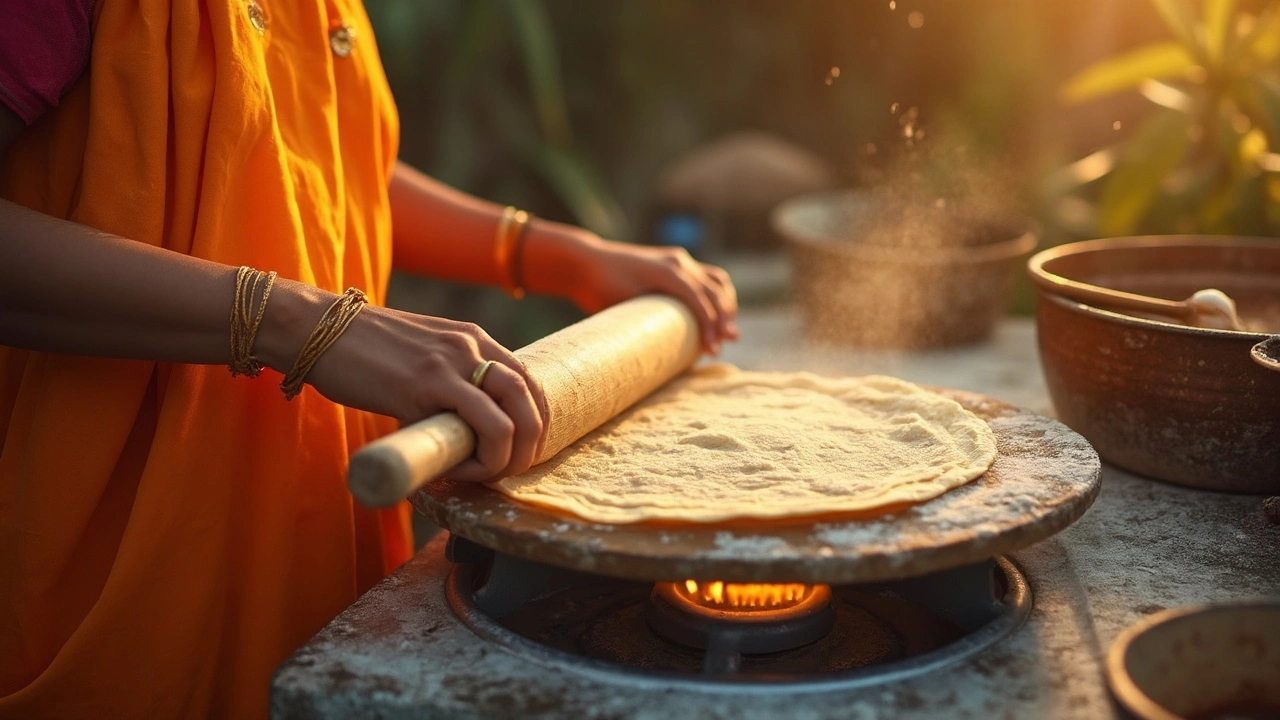
Which Gas Makes Roti Fluffy? Roti Science, Explained Simply
Ever wondered why some rotis puff up perfectly while others stay flat? This article digs into the science behind what really makes roti fluffy. Find out which gas is at play and how simple tweaks in your kneading and cooking steps can make a big difference. No jargon, just straightforward tips that work in any home kitchen. Perfect for anyone who wants soft, puffed rotis every time.
learn more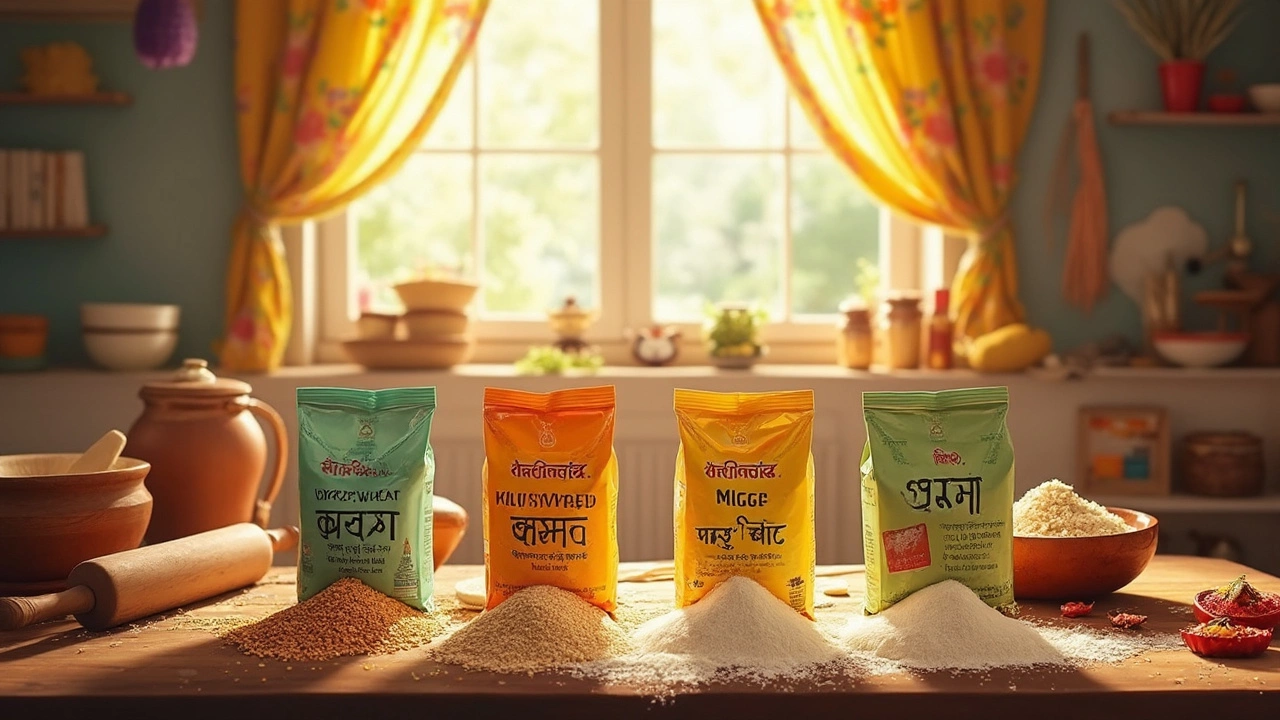
Best Flour for Roti: A Practical Guide
Choosing the right flour can make all the difference in your roti-making experience. From traditional whole wheat to gluten-free options, each type of flour brings unique qualities to your dough. Understanding the properties of different flours can help you achieve the perfect texture for your rotis. Knowing what works best with your cooking style and taste preferences is key. Let's explore which flour suits your roti-making needs.
learn more