Rose Water in Indian Cooking: How It Enhances Sweets, Drinks, and More
When you think of rose water, a fragrant liquid made by distilling rose petals, often used in Indian desserts and beverages. Also known as gulab jal, it’s not just perfume for your kitchen—it’s a flavor anchor in traditions that go back centuries. You won’t find it in savory curries or biryanis, but step into a South Indian sweet shop, and you’ll smell it before you see it. It’s the quiet star in phool jhadi, a delicate, cotton-candy-like Indian sweet made by hand with sugar, cardamom, and rose water, where its floral note lifts the sugar from cloying to captivating. This isn’t just flavor—it’s memory. For many, the scent of rose water means childhood festivals, weddings, or a grandmother’s kitchen on a hot afternoon.
Rose water doesn’t just belong in sweets. It’s stirred into lassi, a traditional yogurt-based drink from North and South India, often sweetened and spiced to cool the palate after spicy meals. In some households, it’s added to rice pudding or milk-based desserts like kheer for a touch of elegance. Unlike vanilla or almond extract, rose water carries a cultural weight—it’s tied to rituals, celebrations, and regional identity. You won’t find it in every kitchen, but when it’s there, you know someone values tradition over convenience. It’s not a substitute; it’s a signature. And while modern recipes sometimes skip it for cheaper alternatives, those who’ve tasted the real thing won’t go back.
What makes rose water so special isn’t just its smell—it’s how little you need. A few drops can transform a dish. Too much, and it tastes like soap. That’s why it’s used sparingly, often measured by the teaspoon or even the drop. It pairs best with ingredients that are naturally sweet or creamy: sugar, milk, cardamom, saffron. It doesn’t fight flavors—it elevates them. And in places like Mysore, where sweets are an art form, rose water isn’t optional. It’s essential. Below, you’ll find posts that explore how this simple ingredient shows up in Indian desserts, why it’s fading from modern kitchens, and how to use it without overwhelming your dishes. Whether you’re making phool jhadi for the first time or just curious about the scent in your grandmother’s kheer, this collection has the answers.
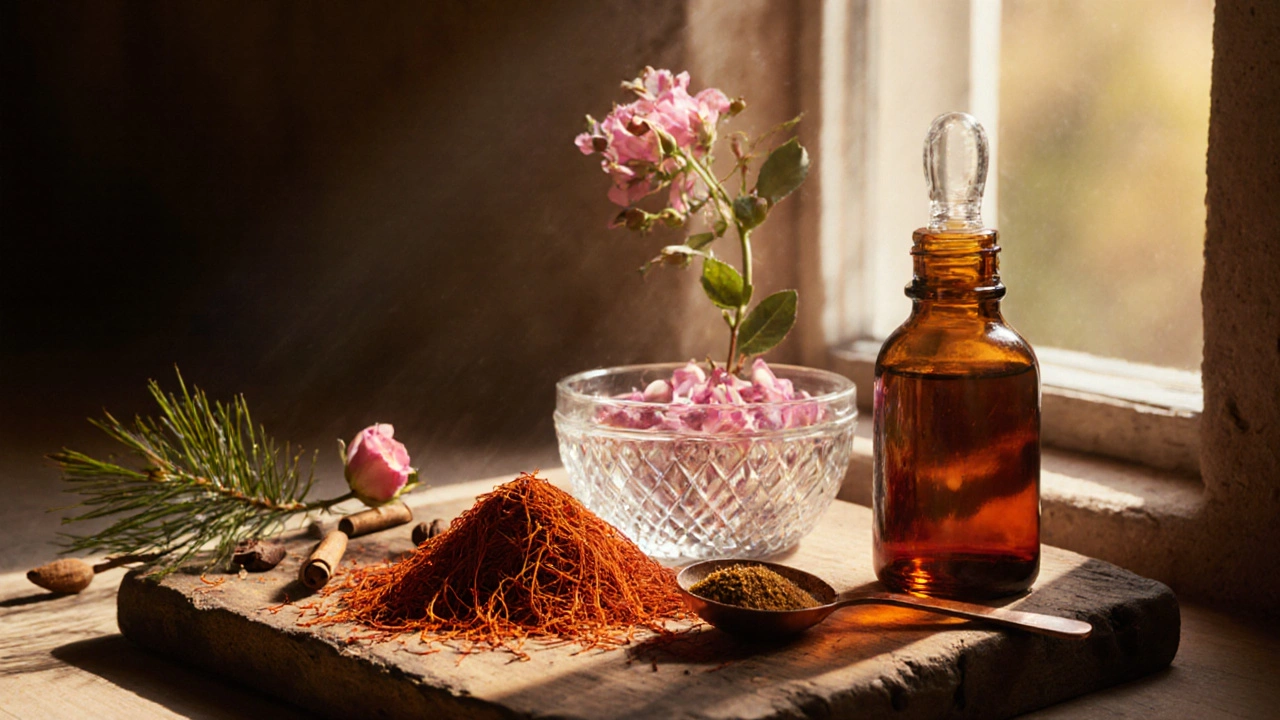
Which Essence Gives Biryani Its Signature Flavor?
Discover which essences create biryani's signature aroma, how to make your own blend, storage tips, and common mistakes to avoid for perfect biryani flavor.
learn more