Rice Dishes: Classic South Indian Recipes and How to Get Them Right
When you think of rice dishes, staple meals built around cooked rice, often paired with lentils, curries, or chutneys. Also known as rice-based meals, they form the backbone of daily eating in South India, especially in Mysore. This isn’t just about boiling grains—it’s about timing, texture, and tradition. A single grain of basmati in biryani can make or break the whole dish. The right rice, cooked just right, holds its shape, smells like jasmine, and soaks up flavor without turning mushy.
Behind every great rice dish is a simple rule: parboiled rice, rice partially boiled in the husk, which makes it firmer and less sticky. That’s why biryani calls for 7–8 minutes of parboiling before layering. And then there’s dosa batter, a fermented mix of rice and urad dal that turns into crispy pancakes. Also known as fermented rice batter, it needs the perfect 1:3 ratio of rice to lentils, soaked long enough, fermented in warmth, and spread thin on a hot griddle. Get any of that wrong, and your dosa stays soft. Your biryani turns gummy. Your rice loses its soul.
These aren’t abstract ideas—they’re daily realities in homes across Karnataka. People don’t cook rice dishes for show. They cook them because they’re fast, filling, and deeply tied to culture. You’ll find rice at breakfast with idli, at lunch with sambar, and at dinner as a side to chicken curry. Even chutney, that tangy condiment, is made to go with rice. It’s all connected. The same kitchen that makes dosa batter also knows how to balance spice in biryani, how to keep coconut milk from curdling in rice-based curries, and why lemon drops are non-negotiable in a good biryani.
What you’ll find here isn’t a list of random recipes. It’s a collection of real fixes, real science, and real tricks from people who’ve made these dishes every day for years. Whether you’re struggling with soggy dosa, overcooked rice, or a biryani that doesn’t smell right, the answers are in these posts. No fluff. No theory. Just what works.
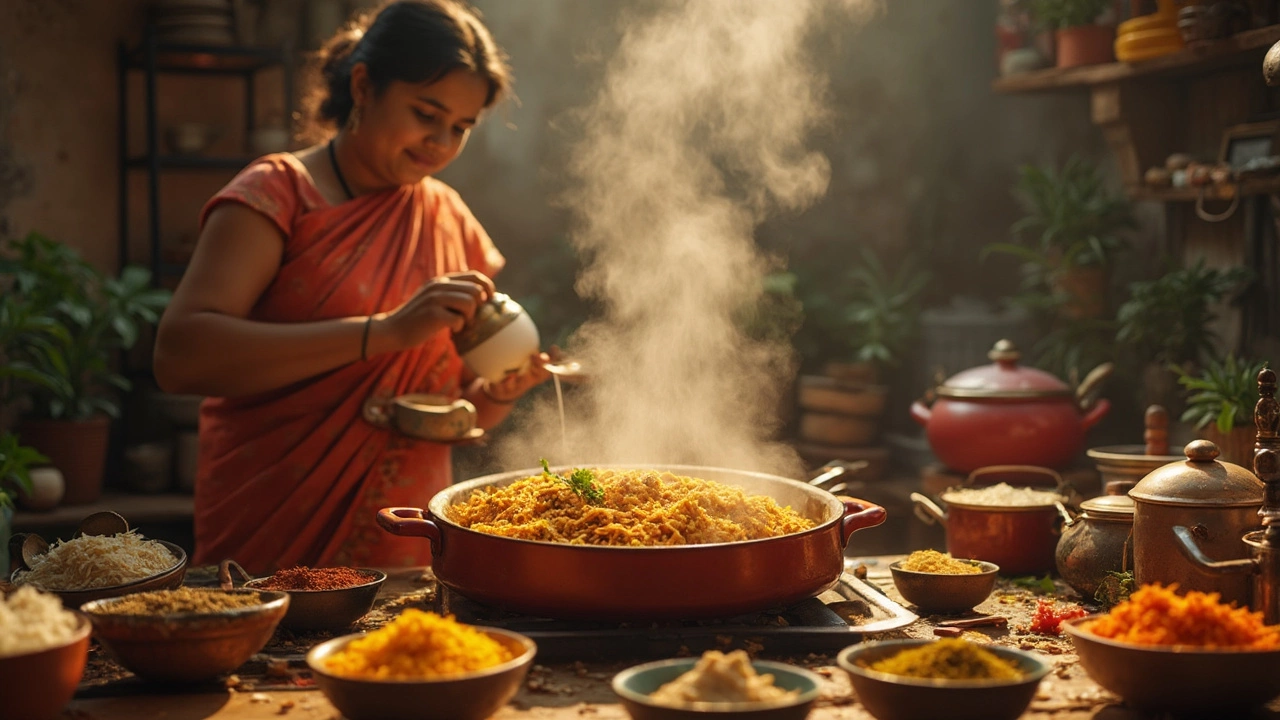
Why Do You Put Milk in Biryani? Unlocking the Role of Milk in Flavorful Rice Dishes
People often wonder why recipes call for milk in biryani. This article breaks down how milk changes the flavor, texture, and look of the final dish. It shares smart cooking tips and explains which type of milk works best. You'll find out if adding milk is really necessary and whether it can be swapped for other ingredients. Real-world insights and tested tricks make this guide genuinely useful.
learn more