Rice Benefits: Why This Staple Food Powers Indian Kitchens
When you think of Indian meals, rice, a foundational grain in South Indian cuisine that feeds millions daily. Also known as paddy, it’s not just filler—it’s the backbone of breakfast, lunch, and dinner across households from Mysore to Madurai. You don’t need fancy ingredients to make a meal satisfying. Just rice, lentils, and a pinch of spice. And yet, most people overlook what rice actually does for your body.
Rice isn’t just about carbs. It’s a gentle source of energy that’s easy on the stomach, making it ideal for kids, seniors, and anyone recovering from illness. Brown rice brings fiber and magnesium, while white rice—though refined—still offers quick fuel and is often easier to digest. In South India, rice is never eaten alone. It’s paired with dal, sambar, or yogurt to balance its nature. This isn’t tradition for show—it’s nutrition in action. The fermented rice batter, used in dosa and idli, enhances nutrient absorption and supports gut health is a perfect example. Fermentation breaks down starches, unlocks B vitamins, and makes the rice more digestible. That’s why dosa batter isn’t just mixed—it’s waited for, nurtured, and treated like a living thing.
And then there’s the role rice plays in spice balance. Think of biryani. The basmati rice, a long-grain variety prized for its aroma and fluffiness doesn’t just soak up flavor—it holds the whole dish together. Too much oil? The rice absorbs it. Too spicy? The rice cools it down. That’s why parboiling rice for just 7-8 minutes before layering it in biryani matters. It’s not about cooking time—it’s about texture control. Rice that’s too soft turns mushy. Rice that’s too hard ruins the bite. The right rice, cooked right, turns a simple meal into something unforgettable.
People ask why rice is so common in India. It’s not because it’s cheap. It’s because it works. It doesn’t compete with flavors—it supports them. It’s the quiet hero in every idli, every pulao, every simple bowl of rice and dal. And if you’ve ever felt bloated after eating lentils, you’ve probably noticed how rice helps settle things down. It’s not magic. It’s biology. Rice is low in FODMAPs, gentle on the gut, and pairs perfectly with anti-inflammatory spices like turmeric and cumin. That’s why dal and rice is the go-to meal for people managing digestive issues.
What you’ll find below isn’t a list of recipes. It’s a collection of truths—about how rice behaves in batter, how long to boil it for biryani, why it’s the silent partner in every South Indian breakfast, and how the simplest grain can make or break a dish. Whether you’re fixing a soft dosa, balancing spice in a curry, or just trying to eat better, rice is always part of the answer.
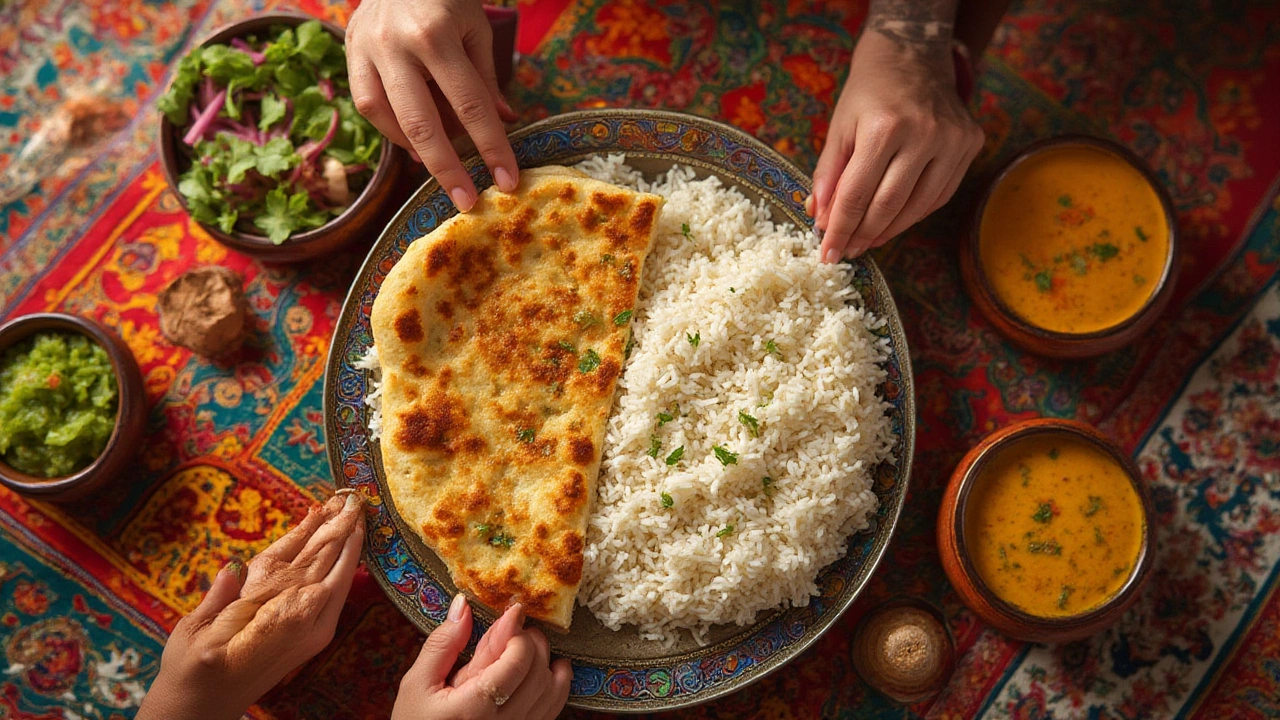
Naan vs. Rice: Which Is Healthier for You?
Is naan really better than rice? This article breaks down the nutritional facts, calorie counts, and health tips to help you pick what's best for your plate.
learn more