Rice in Indian Cooking: Essential Recipes, Techniques, and Pairings
rice, a staple grain that feeds over a billion people daily in India. Also known as paddy, it’s not just food—it’s the foundation of breakfast, lunch, and dinner across the country. In Mysore and across South India, rice isn’t treated like a side dish. It’s the star. Whether it’s parboiled for biryani, ground into batter for dosa, or simmered into simple khichdi, rice carries flavor, texture, and tradition in every grain.
What makes Indian rice different isn’t just the variety—it’s how it’s handled. basmati rice, a long-grain aromatic rice prized for its fragrance and non-sticky texture, is the go-to for biryani and pulao. But you won’t find it in dosa batter. That’s where idli rice, a short-grain variety that ferments well and gives soft, fluffy textures comes in. The ratio of rice to urad dal? 1:3. Get that wrong, and your dosa turns soft instead of crisp. It’s not magic—it’s science. Fermentation, soaking time, and even the water temperature change how the starch behaves. And if you’re making biryani, boiling the rice for just 7 to 8 minutes before layering it with spices and meat? That’s the secret to grains that stay separate, not mushy.
Rice doesn’t work alone. It’s paired with chutney, a tangy, spicy condiment that cuts through the richness of rice dishes, whether it’s coconut chutney with idli or tomato chutney with pongal. Lemon juice is often added to biryani rice—not for sourness, but to keep the grains fluffy and lift the spices. And yes, you can’t talk about rice without mentioning dal, lentils that are almost always served alongside rice in Indian homes. Together, they form a complete protein, a simple, ancient nutrition hack that’s been feeding families for centuries.
You’ll find rice in every meal here—not just as a side, but as the canvas for flavor. From crispy dosas rolled with spicy potato filling to steamed idlis dipped in sambar, rice transforms based on technique, region, and tradition. It’s not about fancy ingredients. It’s about timing, temperature, and respect for the grain. The posts below show you exactly how to get it right—whether you’re struggling with soggy dosas, overcooked biryani rice, or just wondering why your rice never tastes like it does in South India. No guesswork. No fluff. Just the steps that work.
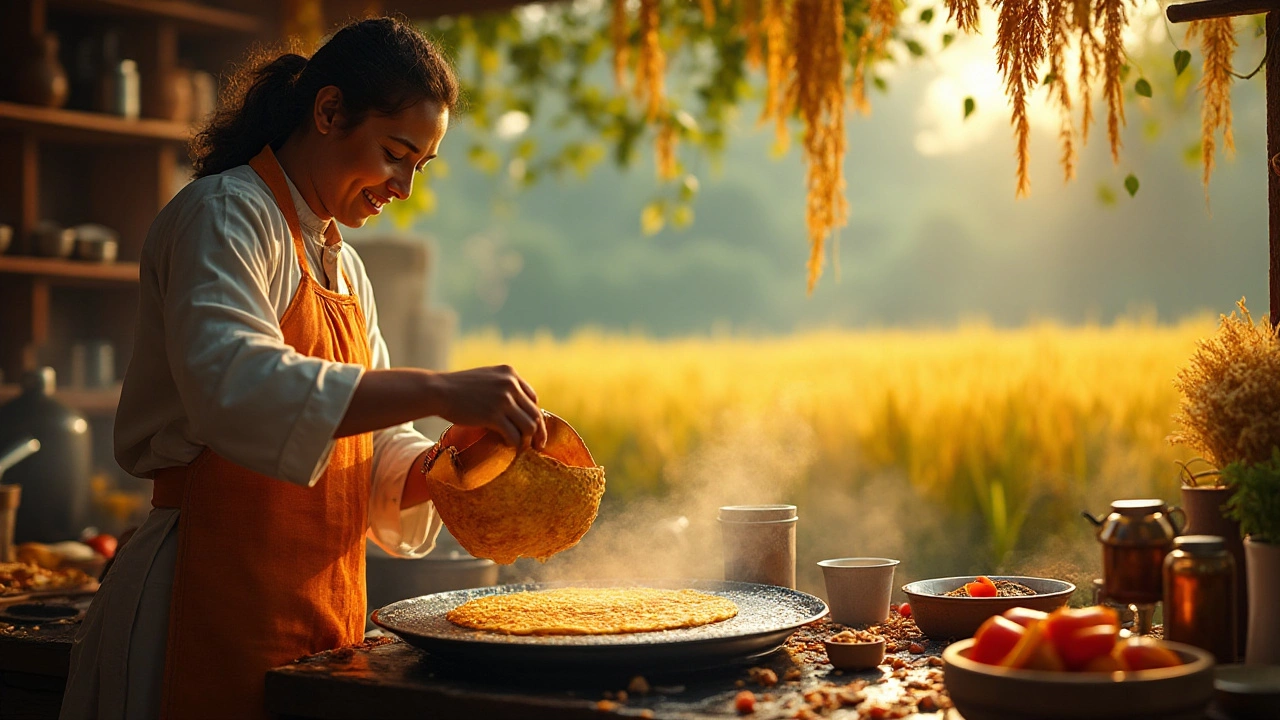
Dosa vs Rice: Which is the Healthier Choice?
Dosa, a beloved Indian crepe, often competes with rice as a staple in many meals. Both foods are made from similar ingredients but differ in preparation, nutritional content, and health benefits. Understanding the differences can help you make informed dietary choices. This article explores the nutritional facts and health benefits of dosa and rice, including interesting facts and tips on how to prepare healthy versions of these staples.
learn more