Popular Sweets: Authentic Indian Desserts from Mysore and Beyond
When we talk about popular sweets, traditional Indian desserts made with sugar, milk, nuts, and spices, often served during festivals and family gatherings. Also known as mithai, they’re not just treats—they’re part of daily life in homes from Mysore to Mumbai. These sweets aren’t bought just for special occasions. In many households, a small box of Mysore sweets, rich, buttery confections originating from the city of Mysore, known for their use of ghee, sugar, and cardamom sits on the counter, ready to be shared with guests or eaten with evening tea. You’ll find them wrapped in paper at temple gates, handed out after weddings, or offered as a gesture of welcome.
What makes these sweets different from regular desserts? It’s the technique. Unlike Western cakes or cookies, many Indian sweets are slow-cooked, stirred for hours, and rely on precise sugar syrup consistency. phool jhadi, a rare, hand-spun sugar sweet that looks like cotton candy but melts like caramel, made with rose water and cardamom, is one example. It’s disappearing because it takes skill, time, and patience—qualities few modern shops have left. Meanwhile, mysore pak, a dense, golden sweet made from gram flour, sugar, and ghee, known for its melt-in-the-mouth texture stays popular because it’s simple, shelf-stable, and deeply satisfying. These aren’t just recipes—they’re cultural artifacts passed down through generations.
And it’s not just about taste. The way these sweets are stored, when they’re eaten, and who makes them all carry meaning. Indian sweets, a broad category including jalebi, gulab jamun, barfi, and laddoo, each with regional variations can last days if kept cool and dry, but many spoil quickly if made with fresh milk or without preservatives. That’s why knowing how to tell if a sweet has gone bad matters—not just for safety, but for respecting tradition. Some are meant to be eaten the same day. Others improve with age.
What you’ll find here isn’t a list of every sweet ever made. It’s a focused collection of the ones that truly matter—the ones people still make at home, the ones that surprise you with their texture, the ones that taste like childhood. From the sticky crunch of jalebi to the quiet luxury of mysore pak, these are the sweets that define real Indian kitchens. You’ll learn why some sweets turn out soft when they should be crisp, how sugar syrup temperature makes or breaks a recipe, and why certain sweets are tied to specific seasons or festivals. No fluff. Just the facts, the fixes, and the flavors that keep these traditions alive.
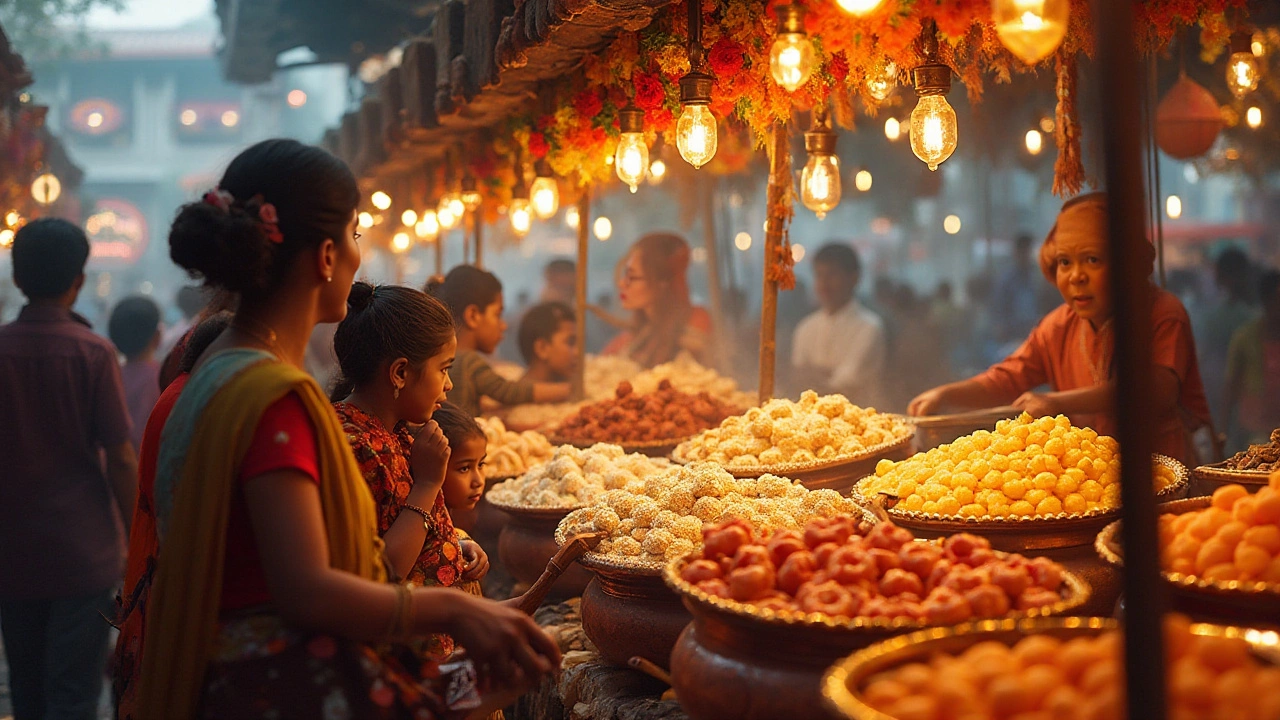
Popular Sweets Loved by Indian People: A Delicious Journey
Indian sweets, also known as 'mithai', are an integral part of Indian culture and cuisine, enjoyed during festive occasions and daily life alike. From the creamy, syrupy Rasgulla to the nutty richness of Kaju Katli, there's a sweet treat for every palate. These confections are not just about sugar; they embody the complexity of flavors and ancient culinary traditions that vary across different regions. Explore how these sweet delights are intricately tied to Indian traditions, with recipes and tips for making them at home.
learn more