Popular Foods from Mysore: Authentic South Indian Dishes You Need to Try
When you think of popular foods, the everyday meals that define a region’s identity. Also known as regional Indian staples, these are the dishes that feed families, start mornings, and show up at every festival. In Mysore, it’s not about fancy plating or imported ingredients—it’s about simple, bold flavors passed down for generations. These foods aren’t just eaten; they’re lived. From the first steam rising off a plate of idli to the crunch of a perfectly fried dosa, each bite carries history.
What makes Mysore’s food different? It’s the balance. The dosa, a fermented rice and urad dal crepe that’s crispy on the outside, soft inside. Also known as South Indian breakfast staple, it’s served with coconut chutney and sambar—two sides that aren’t optional, they’re essential. Then there’s biryani, a layered rice dish where every grain is fragrant, every spice intentional. Also known as Mysore-style pulao, it’s not just spiced—it’s built, slowly, with ghee, saffron, and just a squeeze of lemon to lift it all. You won’t find this in a restaurant chain. You’ll find it in home kitchens, where the cook knows exactly when to stop boiling the rice, when to add the cardamom, and why the batter must ferment overnight.
These dishes don’t exist in a vacuum. They’re tied to chutney, the tangy, spicy condiment that cuts through richness and wakes up every bite. Also known as Indian flavor booster, it’s not an afterthought—it’s the soul of the meal. Whether it’s the coconut kind with dosa, the tomato-tamarind version with idli, or the sweet-tart British-style chutney with cheese, it’s always made fresh. And then there’s the turmeric, the golden root that colors curries, fights inflammation, and gives dal its earthy warmth. Also known as Indian golden spice, it’s not just a seasoning—it’s medicine, tradition, and color all in one.
People ask why Mysore food tastes different. It’s not magic. It’s technique. It’s knowing that yogurt for tandoori chicken must be thick, not watery. That rice for biryani needs exactly 7 minutes of boiling, no more. That dosa batter that’s too thick won’t crisp, and too thin won’t hold. These aren’t tips—they’re rules. And every post below breaks them down, one mistake at a time. You’ll learn why your dosa turns soft, how to fix your biryani spice, what chutney goes with what, and why some ingredients can’t be swapped. This isn’t theory. It’s what works, tested in real kitchens, by real people who eat this every day.
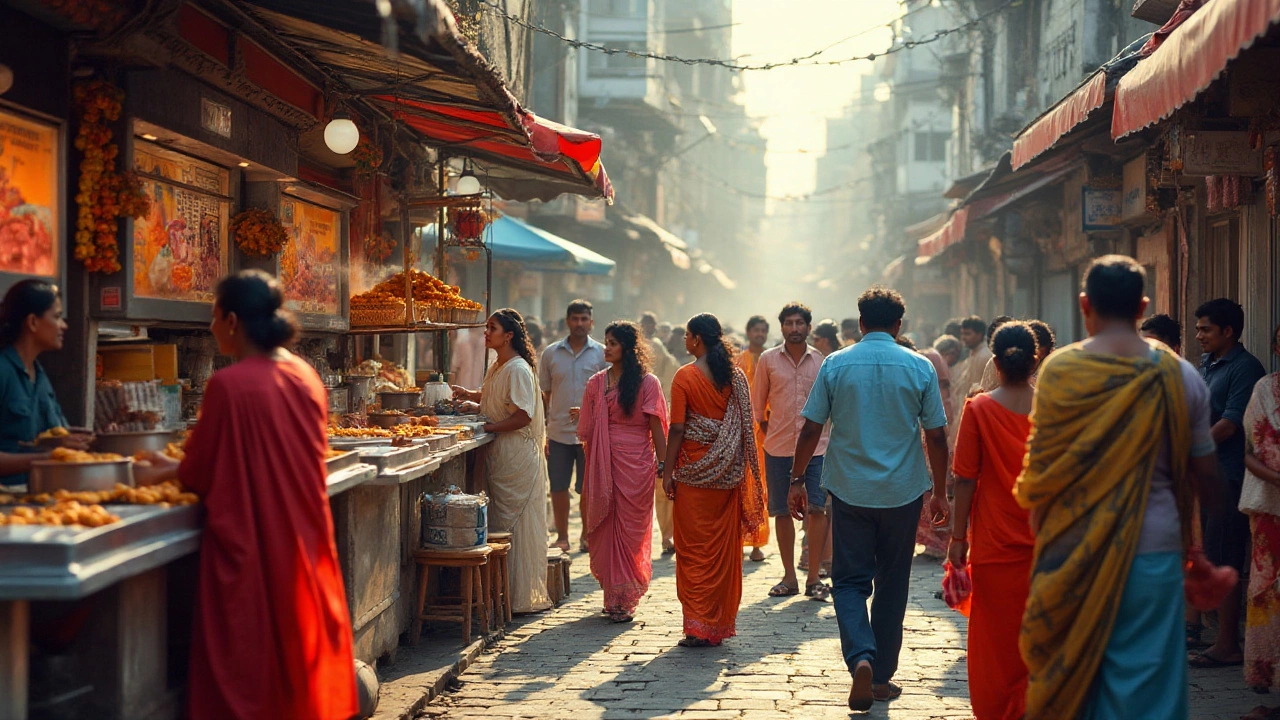
Top Street Foods in India: Most Ordered and Loved Delights
India, a land of diverse cultures, is also home to an incredible variety of street foods that are popular nationwide. Each region boasts its own specialty, with some dishes achieving national prominence due to their savory flavors and cultural appeal. Delve into the world of Indian street cuisine and discover the most ordered dishes that define the street food scene. This culinary journey will introduce the reader to iconic foods and what makes them a favorite among locals and visitors alike.
learn more