Popular Desserts from Mysore: Sweet Traditions You Can Make at Home
When you think of popular desserts, sweet treats rooted in regional Indian cooking, especially from the southern state of Karnataka. Also known as Indian sweets, these desserts aren’t just sugar and spice—they’re history, patience, and family手艺 in every bite. Mysore, the city that gave us the iconic mysore pak, doesn’t just make sweets. It preserves them. These aren’t store-bought candies. They’re handmade, often using just sugar, ghee, gram flour, cardamom, and rose water—ingredients passed down for generations.
One of the most delicate phool jhadi, a traditional Mysore sweet that looks like spun sugar but is made by hand with no machines. Also known as jhadi, it’s disappearing because it takes hours to make and few young cooks learn the skill anymore. Then there’s mysore pak, a rich, fudge-like dessert made from gram flour, sugar, and ghee, cooked slowly until it turns golden. Also known as Mysore sweet, it melts on the tongue and is often served at weddings and festivals. You’ll find these in every temple prasadam box and every grandmother’s kitchen. But they’re not just for special days. Many families eat them with tea after lunch, just like bread and butter elsewhere.
What makes these desserts different from the ones you find in supermarkets? They don’t use preservatives. They don’t need refrigeration. They’re meant to be eaten fresh, often within a day. That’s why Indian sweets, a broad category that includes everything from ladoo to jalebi to mysore pak. Also known as mithai, they’re deeply tied to how food is stored, shared, and celebrated in South India. If you’ve ever wondered why your homemade sweets turn out grainy or too sticky, it’s usually because the sugar syrup wasn’t cooked to the right stage—or the ghee wasn’t hot enough. The posts below break down exactly how to get it right: the ratios, the timing, the heat control. No guesswork. No failed batches.
You’ll find guides on how to make phool jhadi before it vanishes completely, how to fix mysore pak that won’t set, and why some sweets last weeks while others spoil in a day. You’ll learn how to store them, how to serve them, and which ones pair best with masala chai. This isn’t just a list of recipes. It’s a living archive of flavors that still shape how people eat in Mysore today. And you can make them too—right in your kitchen, with ingredients you already have.
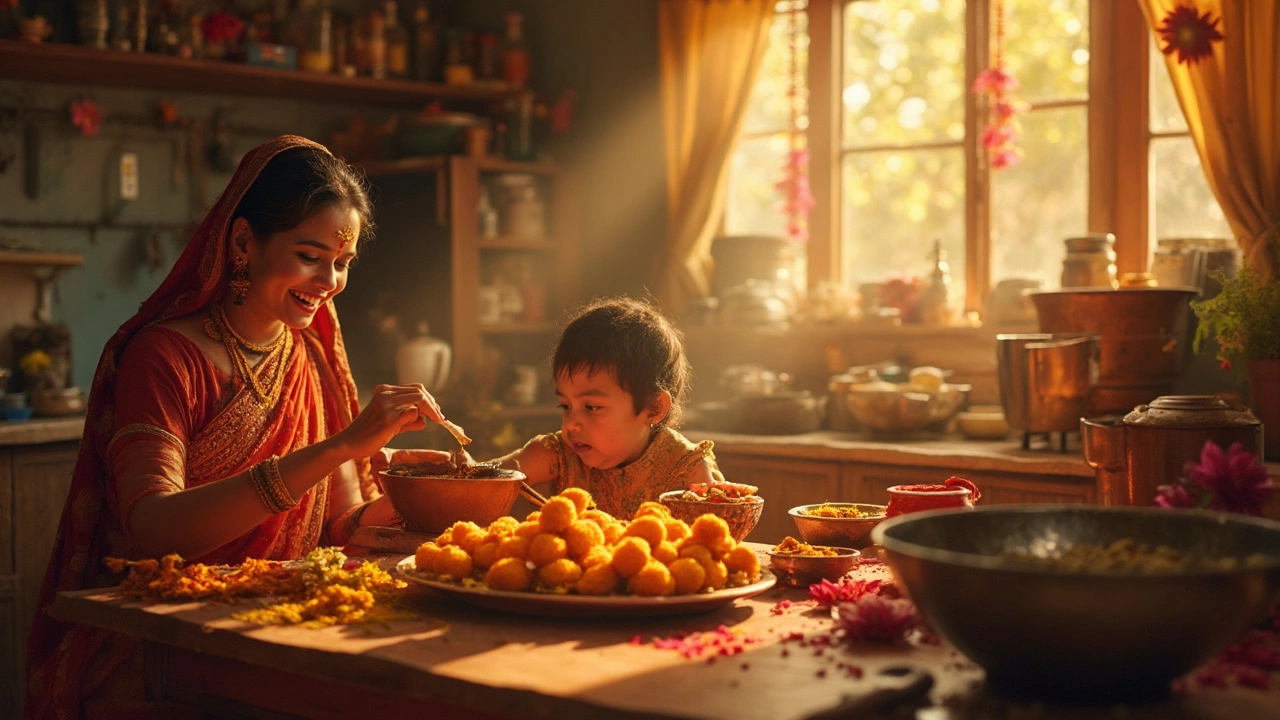
Most Loved Dessert in India: Why Gulab Jamun Tops the List
Gulab Jamun is hailed as the most loved dessert in India, stealing the show at celebrations, family gatherings, and festivals. This article digs into what makes this sweet treat stand out, where it comes from, and why it remains the go-to dessert for millions. Expect tips on perfecting Gulab Jamun in your own kitchen, ways to enjoy it across seasons, and fun facts you probably haven’t heard before. Whether you’re an experienced cook or just want to satisfy your sweet tooth, there’s something useful here for everyone. Discover the story behind Gulab Jamun and get inspired to try it yourself.
learn more