Perfect Dal Recipe: Simple, Flavorful, and Flatulence-Free
When you think of everyday Indian food, dal, a simple lentil stew that’s a daily staple across India. Also known as dhal, it’s the quiet hero of the Indian kitchen—eaten with rice, roti, or dosa, and often the first solid food a child tastes. This isn’t fancy restaurant fare. It’s the kind of dish that feeds families, soothes sickness, and fights inflammation—especially when made with turmeric and properly cooked lentils. A perfect dal recipe isn’t about complexity. It’s about timing, technique, and respect for the ingredient.
Lentils are powerful. They’re full of protein, fiber, and antioxidants. But they’re also notorious for causing gas—unless you know how to handle them. Soaking them overnight, rinsing well, and cooking them under pressure cuts down on the compounds that bloat your stomach. Adding asafoetida (hing) during tempering helps too. And turmeric? It’s not just for color. Studies show it’s one of the top anti-inflammatory foods, and when you stir it into your dal, you’re not just seasoning—you’re healing. The lentils, the core ingredient in dal, available in red, yellow, green, and black varieties each behave differently. Red masoor dal cooks fast and turns creamy. Toor dal holds shape better and needs longer simmering. You don’t need fancy tools. A pot, a stove, and patience are enough.
Many think dal is just boiled lentils with salt. But the real magic happens in the tadka—the tempering of cumin, mustard seeds, dried chilies, and garlic in hot ghee or oil. That’s when the flavors wake up. Skip it, and your dal tastes flat. Overcook it, and it turns to mush. Undercook it, and it’s gritty. The dal cooking tips, the small adjustments that turn good dal into great dal are simple: use the right water-to-lentil ratio, let it simmer gently, and taste before you stop cooking. A perfect dal should be smooth but not soupy, warm but not spicy-hot, and comforting without being heavy.
You’ll find recipes here that fix soft dal, cut gas, boost nutrition, and bring out deep, layered flavors without store-bought powders. No guesswork. No confusing steps. Just clear, proven methods that work in home kitchens from Mysore to Milwaukee. Whether you’re making dal for the first time or you’ve been cooking it for decades, there’s something here to refine your pot. The next time you sit down to a bowl of dal, you’ll know exactly why it tastes right—and how to make sure it always does.
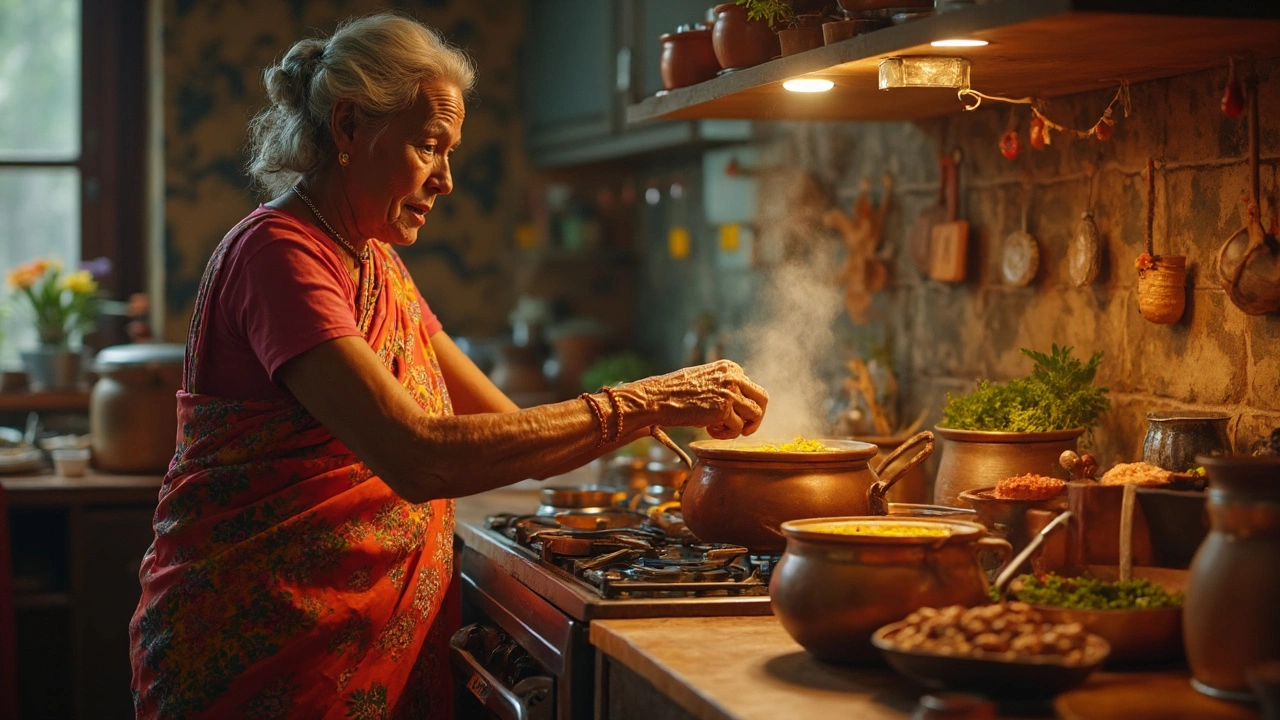
How Long Does It Take for Dal to Soften? Best Tips for Perfect Dal
Uncover how long dal takes to soften, what affects cook time, and how to make your dal perfectly tender every time. Tips and tricks for all cooks.
learn more