Paneer Texture: How to Get the Perfect Bite in Indian Dishes
When you bite into paneer, a fresh, unaged Indian cheese made by curdling milk with acid. Also known as Indian cottage cheese, it’s the star of butter masala, tikka, and curries—but only when it has the right texture. Too soft and it melts into the sauce. Too hard and it’s chewy like eraser. The difference isn’t luck—it’s technique.
Paneer texture depends on three things: how the milk is curdled, how much water you press out, and how you handle it after cooking. If you skip pressing it long enough, it stays spongy and soaks up too much oil. If you overcook it, it turns rubbery. And if you boil it after frying? That’s when it gets tough. Halloumi, a grilled cheese from Cyprus that holds shape under high heat might look similar, but it’s saltier and made with sheep’s milk. Paneer is mild, soft, and meant to absorb spices—not fight them.
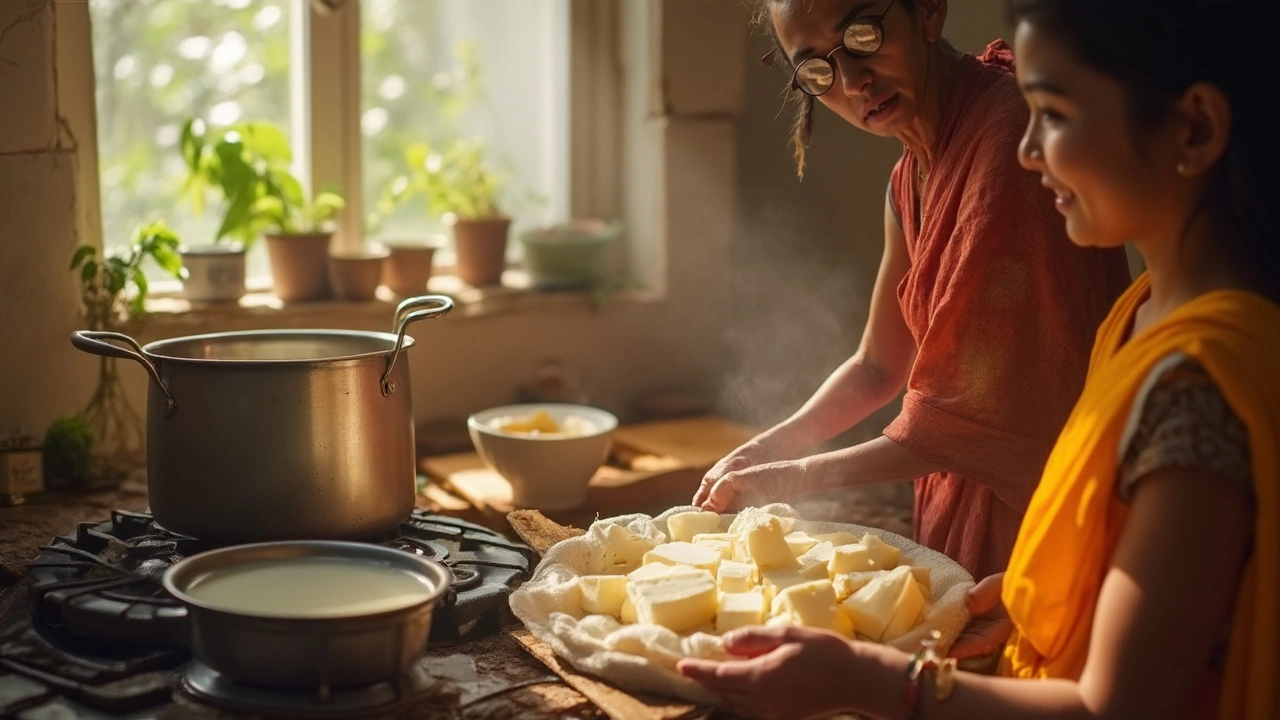
Real Indian cooks don’t just buy paneer from the store. They make it fresh, using full-fat milk and lemon juice or vinegar. The key? Let it drain for at least an hour under weight. A heavy plate, a bowl of water, or even a brick works. That’s how you get that dense, sliceable texture that holds up in curries. And when you fry it? Don’t rush. A quick sear on medium heat locks in moisture. Skip the high heat—it’s the #1 reason paneer turns dry.
Think about biryani, a layered rice dish where paneer often replaces meat. If the paneer is soggy, the whole dish feels off. But if it’s just right—slightly firm, slightly creamy—it adds body without dominating. Same with dosa, a crispy fermented rice crepe often served with paneer fillings. The paneer inside needs to hold its shape, not turn into a wet mess.
You’ll find all these tricks in the posts below. No fluff. No guesswork. Just real fixes for paneer that’s too crumbly, too soft, or too chewy. Whether you’re making paneer butter masala, grilled tikka, or stuffed parathas, the right texture makes all the difference. Let’s get it right.
Why Is Store-Bought Paneer So Hard? The Real Reason Behind the Texture
Have you ever wondered why the paneer from the supermarket feels tougher than the fluffy cubes you get at home? Store-bought paneer is often firmer, crumbly, and doesn't soak up curry as well. This article breaks down the science behind the texture difference and offers easy ways to get soft, melt-in-your-mouth paneer at home. Get ready for practical kitchen tips and some surprising insights into the paneer-making process. If you're tired of chewy, dry cubes, you're in the right place.
learn more