Paneer Nutrition: What You Need to Know About This Popular Indian Cheese
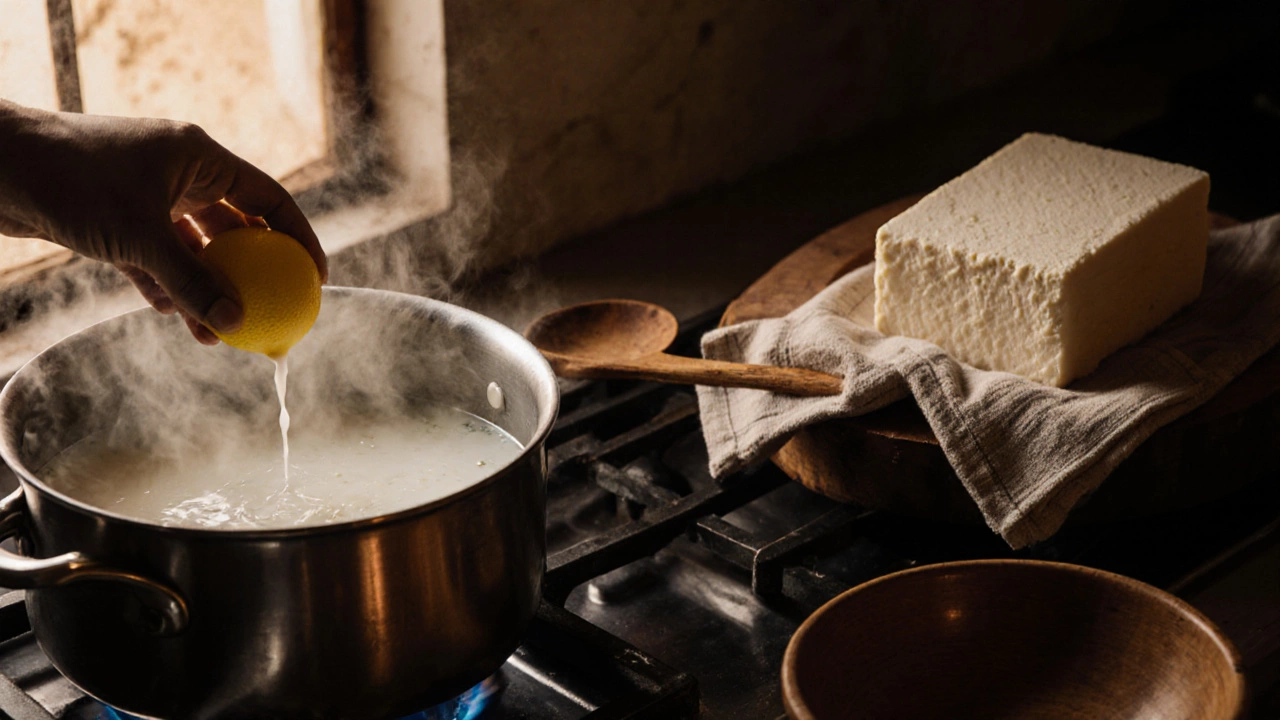
When you think of paneer, a fresh, unaged cheese common in South Asian cooking, made by curdling milk with lemon juice or vinegar. Also known as Indian cottage cheese, it’s a go-to protein source for millions who eat vegetarian meals daily. Unlike processed cheeses, paneer holds its shape when cooked, making it perfect for grilling, frying, or simmering in rich sauces like Butter Masala. It’s not just a flavor carrier—it’s packed with nutrients that support muscle repair, bone health, and steady energy.
What makes paneer stand out in a world full of cheeses? For starters, it’s low in fat compared to many Western cheeses and contains no added salt or preservatives. A 100-gram serving gives you about 18 grams of high-quality protein—more than an egg and close to chicken breast, but without the cholesterol. It’s also rich in calcium, phosphorus, and vitamin B12, which is rare in plant-based diets. If you’re trying to build muscle, manage weight, or just eat cleaner, paneer fits right in. It’s not just for curries either. People in India snack on it raw, add it to salads, or even blend it into smoothies for extra protein.
Paneer’s role in Indian meals goes beyond nutrition. It’s a bridge between tradition and practicality. Unlike aged cheeses that need refrigeration and time to mature, paneer is made fresh daily in homes and small shops across the country. That’s why it’s so widely available and affordable. It’s also naturally lactose-friendly for many people—because the whey is drained off during curdling, most of the lactose leaves with it. This makes it easier to digest than milk or yogurt for those with mild sensitivity.
But here’s the thing: not all paneer is the same. Store-bought versions can be watery or filled with additives. Homemade paneer, pressed firmly and made with full-fat milk, delivers the best texture and nutrient density. If you’ve ever eaten a dry, rubbery paneer dish, it’s not the ingredient’s fault—it’s how it was made. The real magic happens when you pair it with spices like turmeric and cumin, which boost absorption of its nutrients. And yes, it plays well with others—think of it as the quiet hero in dishes like Palak Paneer, Paneer Tikka, or even a simple stir-fry with bell peppers and onions.
When you look at the posts below, you’ll see how paneer shows up in different ways: from its comparison with halloumi, to why it dominates India’s most-ordered vegetarian dish, to how it fits into everyday meals. There’s no fluff here—just real talk on how to use paneer, why it works, and what it actually gives your body. Whether you’re cooking for the first time or looking to eat smarter, this collection has the details you need.
Is Paneer Healthy? Benefits, Risks & Nutrition Facts
Discover if paneer is good or bad for you. Learn its nutrition, health benefits, risks, portion tips, and how it stacks up against tofu and Greek yogurt.
learn more
Is It OK to Eat Paneer Everyday? Homemade Benefits Unpacked
Eating paneer every day is a hot topic, especially for those who love homemade options. This article breaks down whether it's safe, healthy, or even beneficial to have paneer as a daily staple. Get clear facts on nutrition, digestion, and possible risks if you overdo it. You'll also learn how making paneer at home can actually impact its health value. Find easy tips on keeping your paneer habit balanced without missing out on its protein boost.
learn more