Paneer from Curdled Milk: How It's Made and Why It Matters
When you make paneer from curdled milk, a fresh, unaged cheese made by acidifying milk and separating the curds. Also known as Indian cottage cheese, it's the backbone of countless North and South Indian dishes—from Butter Paneer Masala to Paneer Tikka. Unlike aged cheeses, paneer doesn’t melt. It holds its shape, absorbs spices, and gives you that satisfying bite in every curry or grill.
This isn’t magic—it’s simple chemistry. You heat milk, then add something acidic like lemon juice, vinegar, or yogurt whey. The acid breaks down the milk proteins, and suddenly, solid curds separate from the thin liquid (whey). You drain the curds in a cloth, press them lightly, and within an hour, you’ve got fresh paneer. No rennet. No aging. No fancy equipment. Just milk and patience. That’s why millions of Indian households make it at home every week. It’s cheaper than store-bought, tastes better, and you know exactly what’s in it.
Paneer from curdled milk isn’t just a cheese—it’s a cultural shortcut. It connects to homemade paneer, a daily practice in homes across India, especially where dairy is fresh and abundant. It’s tied to curdled milk, a natural byproduct of fermentation or acid addition, often reused in cooking or turned into paneer instead of being thrown away. And it’s why Indian cheese, a category defined by freshness, texture, and simplicity stands apart from Western cheeses. You won’t find paneer in a wheel or rind. It’s in blocks, sliced, fried, or crumbled—always ready to soak up flavor.
People ask why paneer doesn’t melt like cheddar or mozzarella. It’s because the proteins are tightly bound by acid, not enzymes. That’s why it’s perfect for grilling or frying. It browns beautifully and stays firm. That’s also why you can’t substitute it with halloumi without noticing the difference—halloumi has salt and a different texture. Paneer is mild, soft, and neutral. It lets the spices do the talking.
What you’ll find in the posts below isn’t just recipes. It’s the real talk about how paneer fits into daily meals—from breakfast parathas to weekend biryanis. You’ll see how it’s used in vegetarian favorites, why some recipes call for full-fat milk, and how to avoid the rubbery texture that ruins so many home-cooked dishes. No fluff. No jargon. Just what works, tested in kitchens from Mysore to Mumbai.
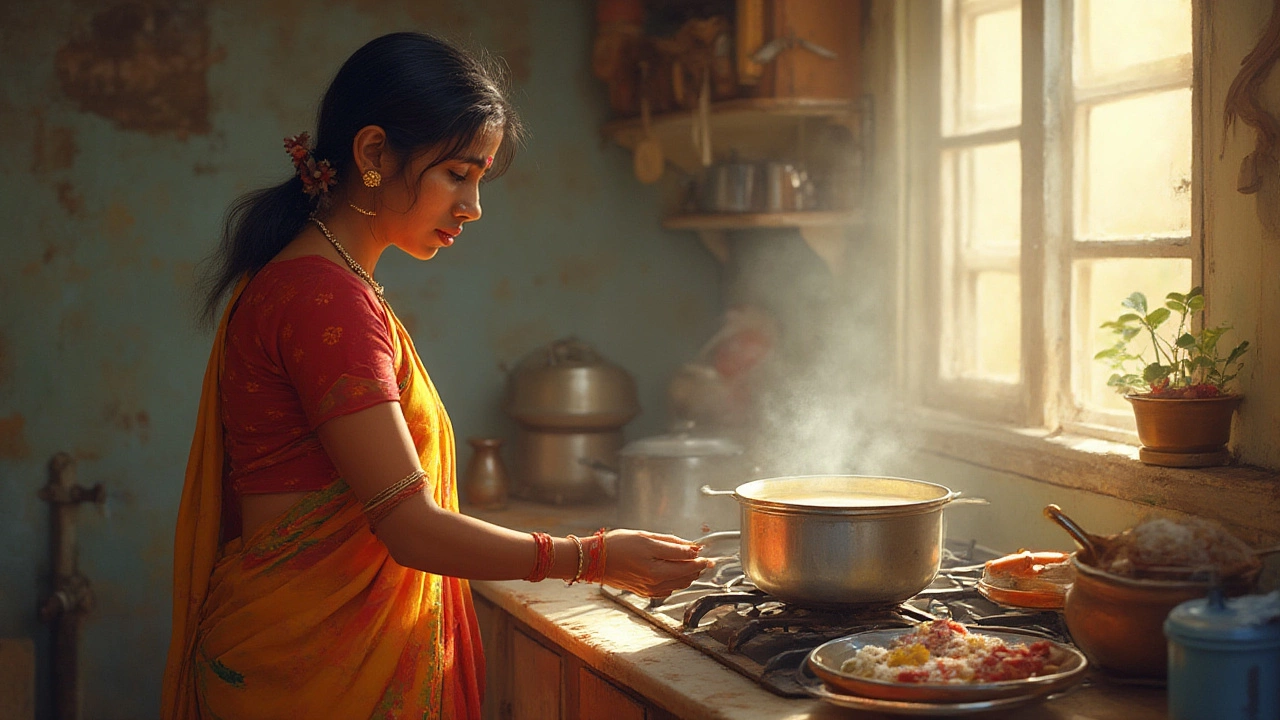
Is Making Paneer from Curdled Milk Safe? Expert Guide & Tips
Worried about those curdled milk leftovers? Find out if it’s safe for making homemade paneer, how to spot risks, and what to do next—all without kitchen guesswork.
learn more