Paneer Drawbacks: What You Need to Know Before Eating It Daily
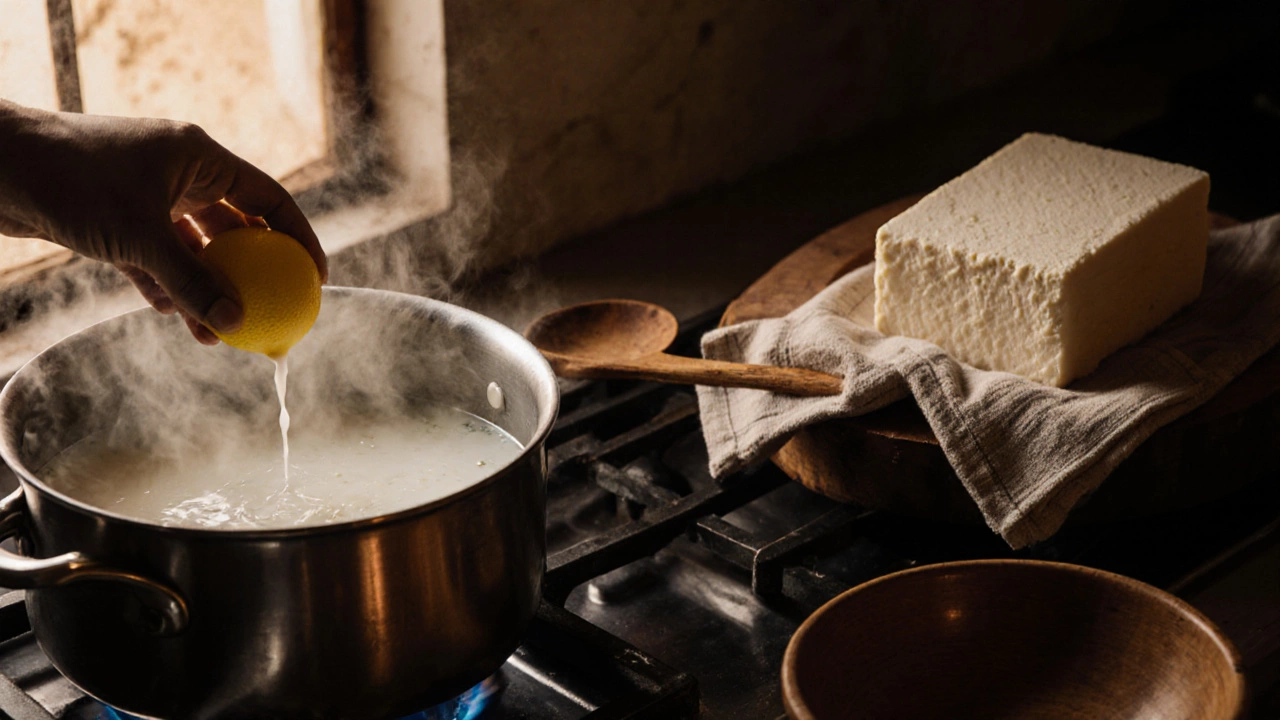
When you think of Indian vegetarian food, paneer, a fresh, unaged cheese commonly used in North Indian curries and snacks. Also known as Indian cottage cheese, it’s a go-to protein for millions who avoid meat. But just because it’s vegetarian doesn’t mean it’s harmless. Paneer is rich in fat and saturated fat—about 25 grams per 100 grams—and that’s not just a number. It’s the kind of fat that can spike cholesterol if eaten daily without balance. People who watch their heart health or struggle with weight often don’t realize how quickly paneer adds up.
Then there’s digestion. dairy, a common ingredient in paneer, made from milk and often linked to bloating and gas doesn’t sit well with everyone. Studies show nearly 65% of the global population has some level of lactose intolerance, and many in India aren’t exempt. You might not have a full-blown reaction, but that mild stomach ache after paneer butter masala? That’s your body telling you it’s not processing it well. Even if you don’t feel it right away, regular paneer intake can lead to slow inflammation, especially when paired with fried snacks or heavy cream-based gravies.
And let’s not forget the calories. Paneer isn’t a low-calorie food. One cup of homemade paneer can hit 400+ calories, mostly from fat. Compare that to tofu or lentils—both offer similar protein with far less saturated fat and zero cholesterol. If you’re eating paneer every day thinking you’re being healthy, you might be missing out on better options. It’s not that paneer is bad—it’s that it’s often used as a default, not a choice. People reach for it because it’s familiar, not because it’s the best.
Some folks avoid paneer because of allergies, others because of acid reflux, and many just because they’ve noticed their skin breaks out after eating it. There’s no one-size-fits-all rule, but the truth is, most Indian households eat paneer more often than they need to. You’ll find recipes for paneer in every region—from the creamy koftas of Punjab to the spicy stir-fries of Karnataka—but that doesn’t mean every dish needs it. The real question isn’t whether paneer is delicious (it is). It’s whether you’re eating it because you love it, or because you think you have to.
Below, you’ll find real cooking advice from people who’ve tried swapping paneer, fixed their digestion after cutting back, or learned how to balance its richness with the right spices and sides. Some posts explain why paneer doesn’t always pair well with certain chutneys. Others show you how to make paneer less heavy without losing flavor. You’ll see what happens when you replace it with tofu in biryani, or how to use chickpeas instead in curries. This isn’t about giving up paneer—it’s about eating it smarter.
Is Paneer Healthy? Benefits, Risks & Nutrition Facts
Discover if paneer is good or bad for you. Learn its nutrition, health benefits, risks, portion tips, and how it stacks up against tofu and Greek yogurt.
learn more