Paneer Cheese: How to Make It, Use It, and Why It's India's Favorite Vegetarian Protein
When you think of Indian vegetarian food, paneer cheese, a fresh, unaged Indian cheese made by curdling milk with acid. Also known as Indian cottage cheese, it doesn't melt like Western cheeses—it holds its shape, absorbs spices, and turns soft and tender when cooked. This is why it’s the star in dishes like Paneer Butter Masala, Kadai Paneer, and even grilled street snacks. Unlike processed cheese, paneer is simple: milk, heat, and something acidic like lemon juice or yogurt. No rennet, no aging, no fancy equipment. Just a pot, a cloth, and patience.
What makes paneer so popular isn’t just how it tastes—it’s how flexible it is. You can fry it, grill it, stir it into creamy curries, or crumble it into breakfast dishes like paneer paratha. It’s a protein powerhouse for vegetarians, and it’s everywhere—from home kitchens in Mysore to high-end restaurants in Delhi. If you’ve ever wondered why your restaurant paneer tastes better than yours, it’s not magic. It’s technique: how the milk is boiled, how long it’s strained, and whether you press it under weight for that perfect firmness. lemon juice, a common acid used to curdle milk for paneer is the go-to, but if you’re out, vinegar or even yogurt can work. And if you’re looking for a shortcut, soy paneer, a plant-based alternative made from soy milk and calcium sulfate is gaining ground, though it doesn’t quite replicate the texture.
People don’t just eat paneer because it’s filling—they eat it because it carries flavor. It soaks up the warmth of cumin, the tang of tomato, the richness of cream, and the kick of green chilies. That’s why it shows up in so many of the recipes here: from butter masala to stuffed parathas, from spicy stir-fries to sweet desserts like paneer kheer. You’ll find tips here on how to fix crumbly paneer, how to store it without drying out, and what to use when you can’t find fresh milk. You’ll also see why some people swear by full-fat milk and others skip the boiling step. This isn’t just about cheese—it’s about understanding how Indian cooking turns simple ingredients into something unforgettable.
Whether you’re trying to make paneer for the first time or just want to know why your last batch turned out rubbery, the posts below give you the real fixes—not theory, not fluff. You’ll learn what replaces lemon in paneer recipes, how to tell if your paneer is fresh, and why it’s the top vegetarian dish ordered across India. No guesswork. Just clear, tested steps to make paneer that holds up, tastes rich, and fits right into your kitchen.
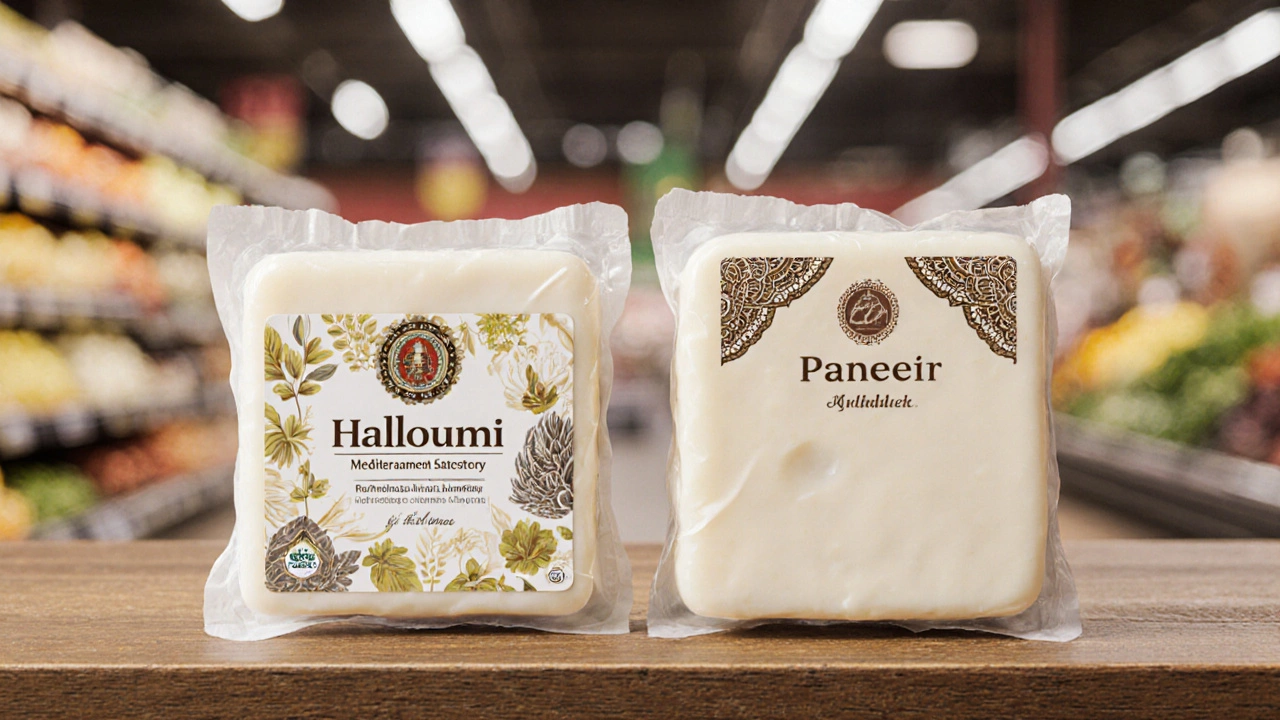
Halloumi vs Paneer: Are They the Same?
Explore the key differences between halloumi and paneer, from origins and production to taste, nutrition, and cooking tips.
learn more