Nutritious Indian Food: Real Meals That Fuel Daily Life
When we talk about nutritious Indian food, traditional South Indian meals built on whole grains, legumes, and spices that nourish the body without processed additives. Also known as home-cooked Indian meals, it’s not about fancy ingredients—it’s about what’s been eaten for generations in kitchens across Mysore and beyond. This isn’t some trend you read about online. It’s the real food that wakes up millions every morning: steamed idli, crispy dosa, spiced upma, and dal simmered with turmeric and cumin. These aren’t just meals—they’re medicine in plain sight.
The secret behind why this food works so well lies in three key players: lentils, protein-rich, fiber-packed legumes that form the base of daily meals and help regulate blood sugar, turmeric, the golden spice with powerful anti-inflammatory properties, often cooked with black pepper to boost absorption, and fermented batter, the natural process behind dosa and idli that makes nutrients more digestible and gut-friendly. These aren’t optional extras—they’re the foundation. You won’t find a single traditional Indian household that skips dal or skips fermenting rice and urad dal overnight. That’s not tradition for the sake of it—it’s science passed down through mothers and grandmothers.
What makes nutritious Indian food different from other diets is how it layers health into every step. You don’t need to count calories or buy expensive superfoods. A simple bowl of rice with sambar and coconut chutney gives you complex carbs, plant protein, antioxidants, and healthy fats—all in one plate. The spices aren’t just for heat; turmeric fights inflammation, ginger aids digestion, and cumin helps with bloating. Even the way food is prepared matters: pressure-cooked lentils reduce gas, soaking rice cuts cooking time and improves mineral absorption, and using mustard seeds or curry leaves adds flavor without salt or oil. This isn’t diet culture. This is survival wisdom.
And it’s not just about what’s in the pot—it’s what’s on the plate. Breakfast isn’t cereal or toast. It’s poha tossed with peanuts and lemon, or upma made with semolina and veggies. Lunch isn’t a sandwich—it’s rice, dal, and a side of pickled mango. Dinner? Roti with lentils and a handful of greens. These meals don’t come from cookbooks. They come from necessity, climate, and centuries of trial and error. You’ll find these same patterns in the posts below: how to fix a soft dosa, why lemon belongs in biryani, how to stop lentils from causing gas, and why turmeric is the top anti-inflammatory food. There’s no fluff here. Just real food, real science, and real results—straight from kitchens where flavor and function have always gone hand in hand.
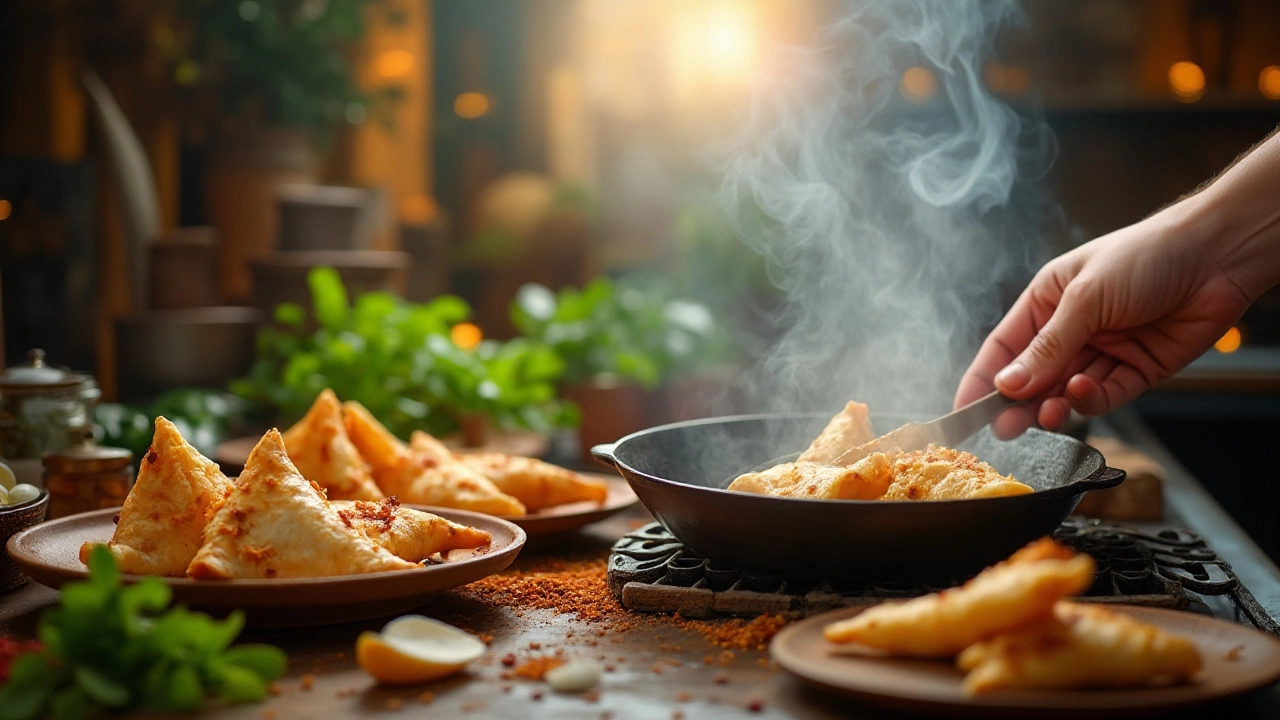
Discovering Healthy Choices in Indian Snacks
Indian cuisine offers an array of snacks that are not only flavorful but can also be healthy. This article explores nutritious options within Indian snacks that fit into a balanced diet, offering both health benefits and satisfying taste. With an emphasis on traditional ingredients prepared in healthier ways, these snacks are perfect for anyone seeking to enjoy Indian flavors while maintaining their health goals. From baked samosas to spiced pumpkin seeds, discover how Indian snacks can be a part of a healthy lifestyle.
learn more