Nutritional Facts: What You Need to Know About Indian Foods
When you think about nutritional facts, the measurable health value of food including calories, protein, fats, and micronutrients. Also known as food nutrition data, it's not about counting every gram—it's about understanding what fuels your body when you eat Indian food. Most Indian meals aren’t just tasty—they’re built on ingredients that have been tested by generations: rice, lentils, turmeric, coconut milk, and fermented batter. These aren’t trendy superfoods. They’re everyday staples that quietly support digestion, reduce inflammation, and give you steady energy.
Take turmeric, a bright yellow spice rich in curcumin, known for its anti-inflammatory properties. It’s in your curry, your dal, even your golden milk. Studies show curcumin helps lower chronic inflammation, but it works better with black pepper and fat—like the ghee in your biryani. Then there’s lentils, a protein-packed legume that’s low in fat and high in fiber, making it a cornerstone of Indian meals. A bowl of dal gives you more protein than an egg, without the cholesterol. And when you soak and ferment them—like in dosa batter—you unlock nutrients your body can actually absorb. That’s why a soft, under-fermented dosa isn’t just disappointing—it’s less nutritious.
It’s not just about what’s in the food—it’s how it’s made. Adding lemon to biryani isn’t just for flavor; it helps your body absorb iron from the rice and spices. Coconut milk in curry adds healthy fats, but if it curdles, you lose the smooth texture and some of its benefits. Even chutney, often seen as a side, can be a source of probiotics if it’s fresh and fermented, not just vinegar-preserved. The nutritional facts change based on technique: boiling rice too long in biryani drains nutrients; frying dosa in too much oil adds empty calories; skipping soaking for lentils means more gas and less nutrition.
You don’t need a lab to read these facts. Look at the ingredients. Ask: Is this fermented? Is it cooked with fat or acid? Is it whole or processed? The posts below break down exactly what’s happening in your kitchen—why your dosa batter needs the right rice-to-lentil ratio, how turmeric fights inflammation in dal, why lemon keeps biryani rice from turning mushy, and how to make your chutney more than just a flavor boost. These aren’t theories. They’re kitchen-tested truths that turn everyday meals into nutritionally smart choices.
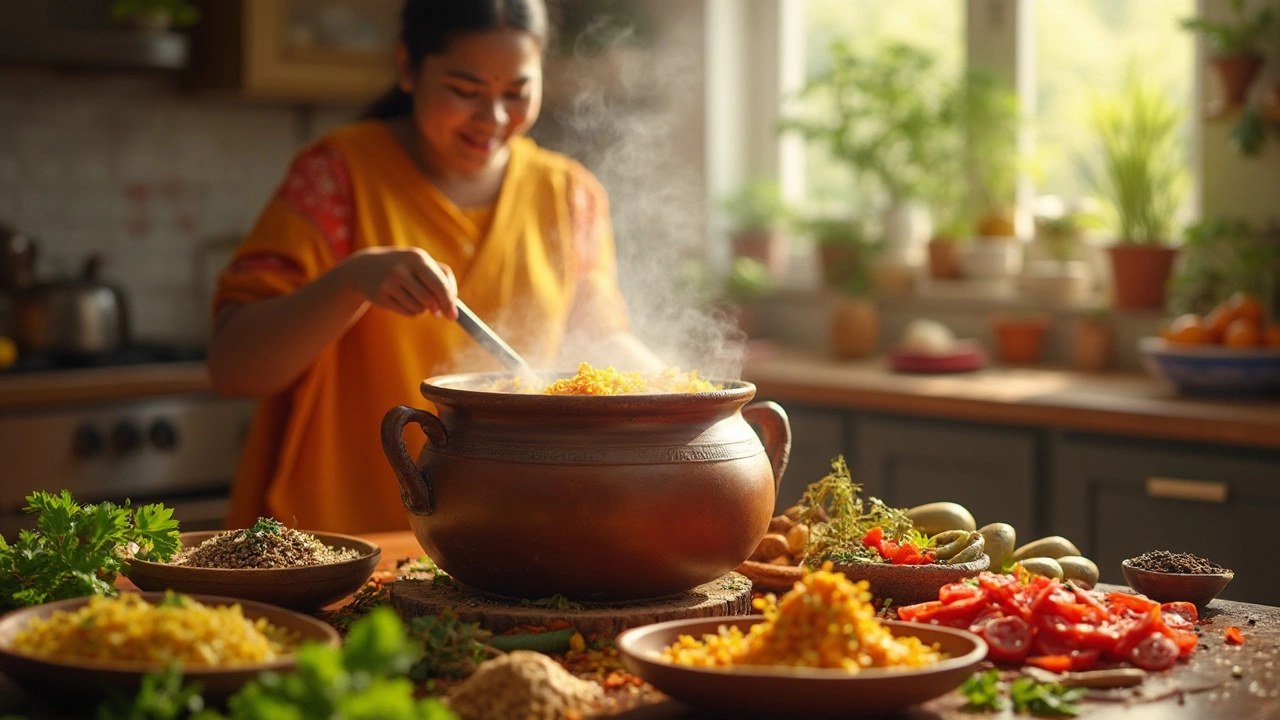
Is Dal Healthy or Junk Food? Simple Truths for Everyday Cooking
Wondering if dal is actually good for you, or if it belongs in the junk food pile? This article dives into what makes dal healthy, busts some common myths, and shows easy ways to keep it nutritious. You'll get the facts, practical cooking tips, and a look into how dal fits into a balanced diet. Plus, find out which habits can quietly turn your humble dal from health hero to heavy junk food. It’s surprisingly simple to keep your dal on the healthy side.
learn more