Nutrition Comparison: What Really Matters in Indian Foods
When you think about nutrition comparison, the process of evaluating how different foods affect your health based on their ingredients and preparation. Also known as food nutrient analysis, it’s not about counting calories alone—it’s about understanding what actually gets into your body when you eat Indian foods. Most people assume all Indian dishes are heavy or unhealthy, but that’s not true. Take turmeric, a golden spice used daily in Indian cooking for its anti-inflammatory properties and active compound curcumin. A single teaspoon in dal or curry isn’t just for color—it’s a proven tool to reduce inflammation, and studies show it works better when paired with black pepper and fat, like ghee or coconut milk. This isn’t marketing. It’s how generations of Indian kitchens have cooked for health.
Then there’s lentils, a staple protein source in Indian meals, rich in fiber, iron, and slow-digesting carbs that keep blood sugar steady. Whether it’s toor dal, moong dal, or chana dal, they’re not just cheap—they’re nutrient-dense. But here’s the catch: how you cook them changes everything. Soaking, pressure-cooking, and adding cumin or asafoetida cuts gas and boosts digestibility. Compare that to a store-bought lentil soup with preservatives, and you’re not just eating different food—you’re eating different nutrition. And what about dosa batter, a fermented mix of rice and urad dal that becomes a probiotic-rich, easily digestible breakfast? Fermentation doesn’t just make dosas crispy—it unlocks nutrients your body can actually absorb. That’s why a dosa made with properly fermented batter has more bioavailable B vitamins than a plain rice chapati. Nutrition isn’t in the ingredient list—it’s in the process.
So when you do a nutrition comparison between Indian dishes, you’re not just comparing calories. You’re comparing tradition to shortcuts. You’re comparing the slow fermentation of dosa batter to instant pancake mixes. You’re comparing turmeric cooked with fat to turmeric pills. The real difference isn’t in the numbers—it’s in the way food is made. The posts below show you exactly how these foods are prepared in real kitchens, not labs. You’ll see why a simple bowl of dal can be more healing than a supplement, why dosa batter needs time, and why skipping lemon in biryani isn’t just a mistake—it’s a nutritional loss. This isn’t theory. It’s what your grandmother knew, and what science now confirms.
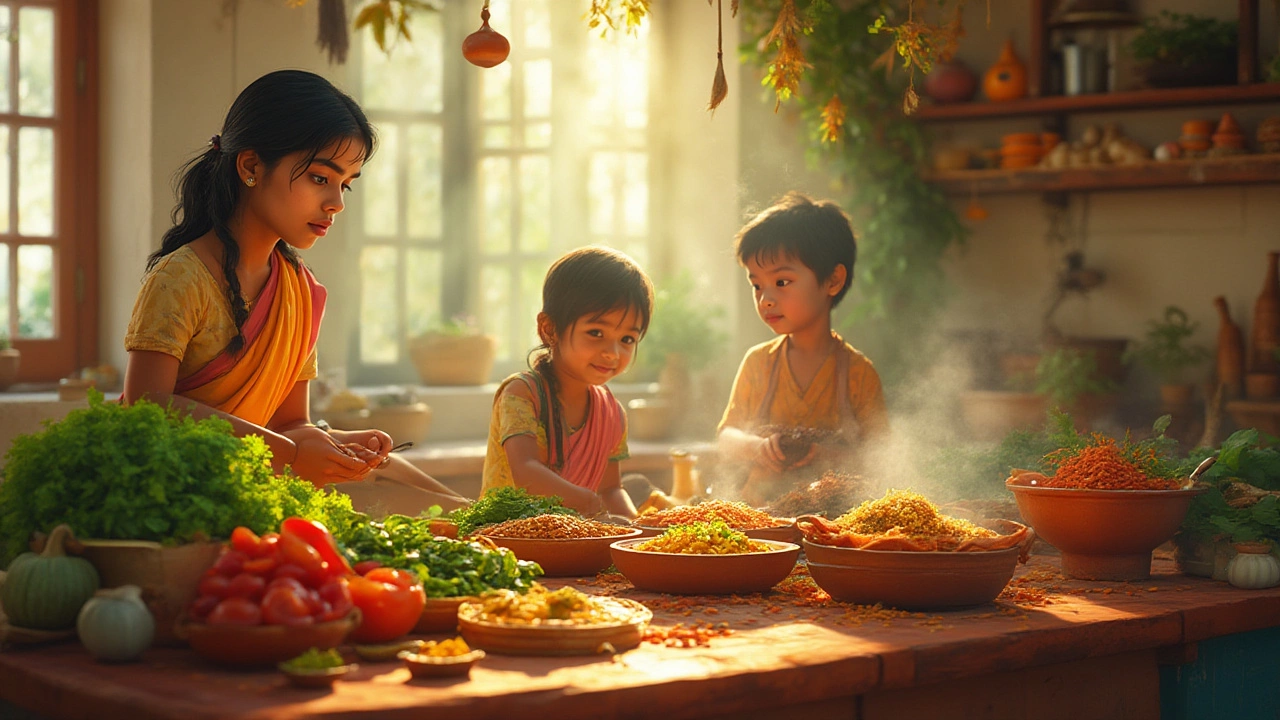
Indian vs Chinese Food: Which Cuisine Is Healthier for You?
Curious if Indian or Chinese cuisine is better for your health? Get surprising facts, real numbers, and expert tricks to eat smarter and stay healthy.
learn more