Nutrition in Indian Cooking: What You Eat and Why It Matters
When you think of nutrition, the science of how food fuels and heals the body. Also known as food science, it's not just about calories—it's about how ingredients work together to support health, reduce inflammation, and keep energy steady. Indian cooking isn’t just about bold flavors—it’s one of the most nutritionally smart food traditions in the world. You don’t need supplements or fancy superfoods when your kitchen has turmeric, lentils, and fermented rice batter.
turmeric, a golden root spice with powerful anti-inflammatory properties. Also known as haldi, it’s the backbone of countless curries and dals. Studies show its active compound, curcumin, helps reduce chronic inflammation better than many pills—without the side effects. And it’s not used alone. In Indian kitchens, turmeric is always paired with black pepper and fat (like ghee or coconut milk), which boosts absorption. That’s why your chicken curry or dal isn’t just tasty—it’s healing. Then there’s lentils, protein-rich legumes that form the daily protein base for millions in India. Also known as dal, they’re soaked, cooked with spices, and often paired with rice to create a complete amino acid profile. Lentils are low-cost, shelf-stable, and gentle on digestion when prepared right. That’s why they’re eaten every day, from rural villages to city apartments.
Indian meals are built on balance: carbs from rice or roti, protein from lentils or paneer, fats from ghee or coconut, and fiber from vegetables and spices. Fermentation—used in dosa and idli batter—doesn’t just make food taste better, it unlocks nutrients and makes them easier to digest. That’s why your morning dosa gives you steady energy, not a sugar crash. Even chutneys aren’t just condiments—they’re packed with raw herbs, garlic, and ginger, all natural anti-inflammatories. And yes, lemon in biryani? It’s not just for taste. It helps your body absorb iron from the rice and spices.
You won’t find processed sugar or refined oils in traditional Indian meals. The sweetness comes from jaggery, the richness from ghee, the crunch from roasted spices. This isn’t a diet trend—it’s how people have eaten for centuries. The real nutrition secret? It’s not in a pill or a superfood smoothie. It’s in your dal, your dosa, your turmeric-spiced rice. The food you already love is doing more than filling your stomach. It’s protecting your joints, calming your gut, and keeping your blood sugar steady. Below, you’ll find real recipes and fixes that show you how to cook with nutrition in mind—not as an afterthought, but as the main ingredient.
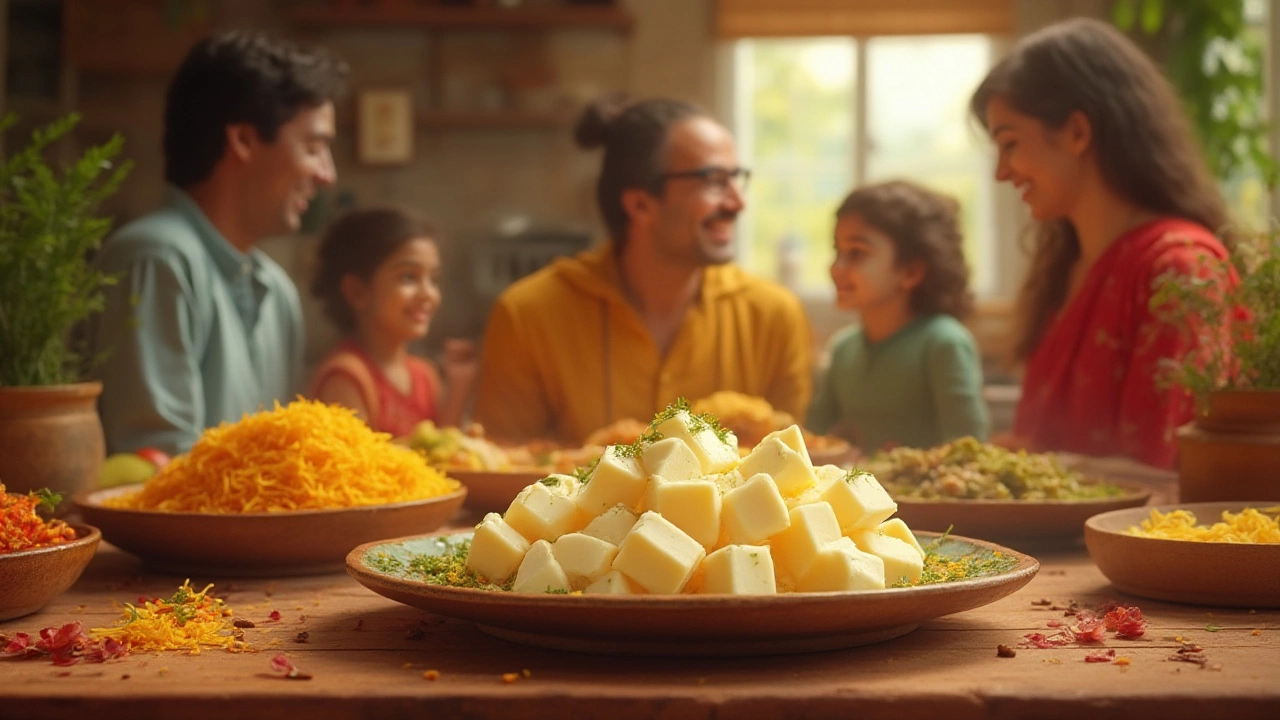
Paneer vs Cheese: Which Is Healthier for Your Indian Plate?
Curious if paneer is healthier than regular cheese? This deep-dive compares taste, nutrition, and cooking uses, busts myths, and helps you make smart choices.
learn more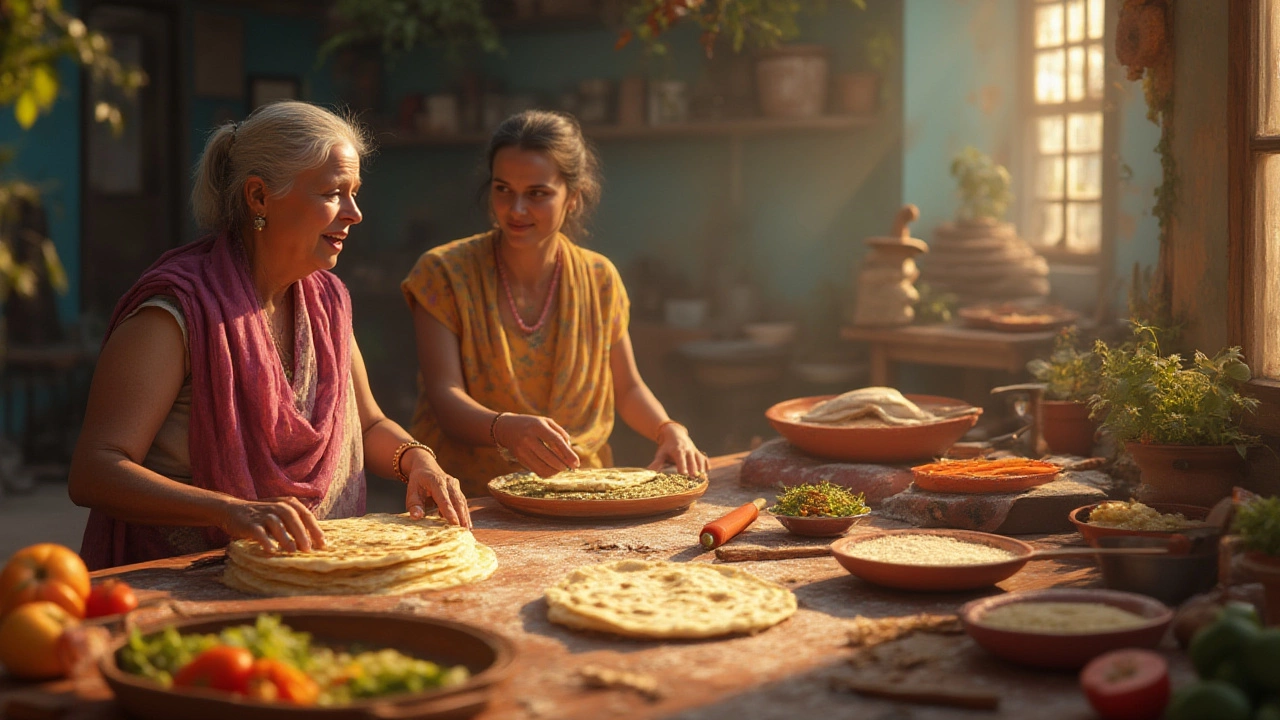
Roti vs Chapati: What's the Healthier Indian Bread for Your Diet?
Wondering if roti or chapati is better for your health? This deep dive compares nutrition, cooking styles, and which bread truly wins for your balanced diet.
learn more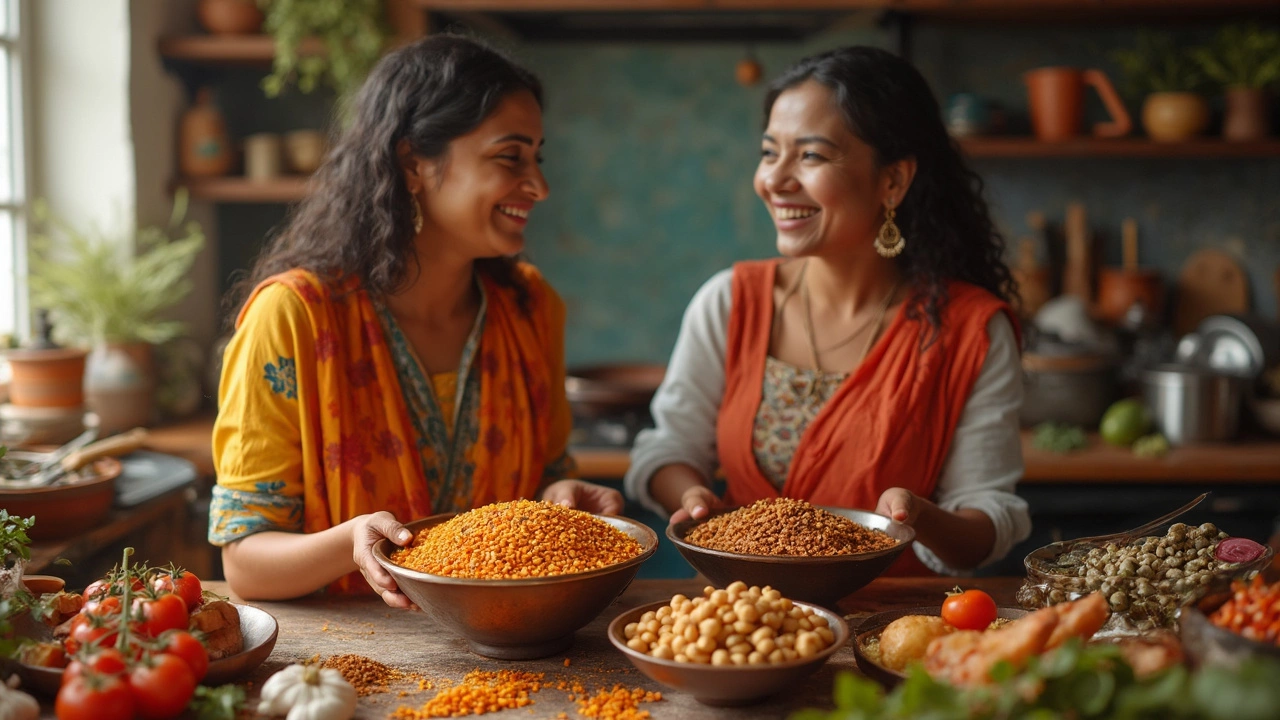
Chickpeas or Lentils: Which Is Better for Your Dal?
Trying to pick between chickpeas and lentils for your dal? This article gets straight to what you need to know: nutrition, taste, cooking tricks, and what fits your habits best. No fluff—real facts, easy explanations, and fun tips for making your next dal better. Get the lowdown on how each legume works in your kitchen and your body. You might just find a favorite you never expected.
learn more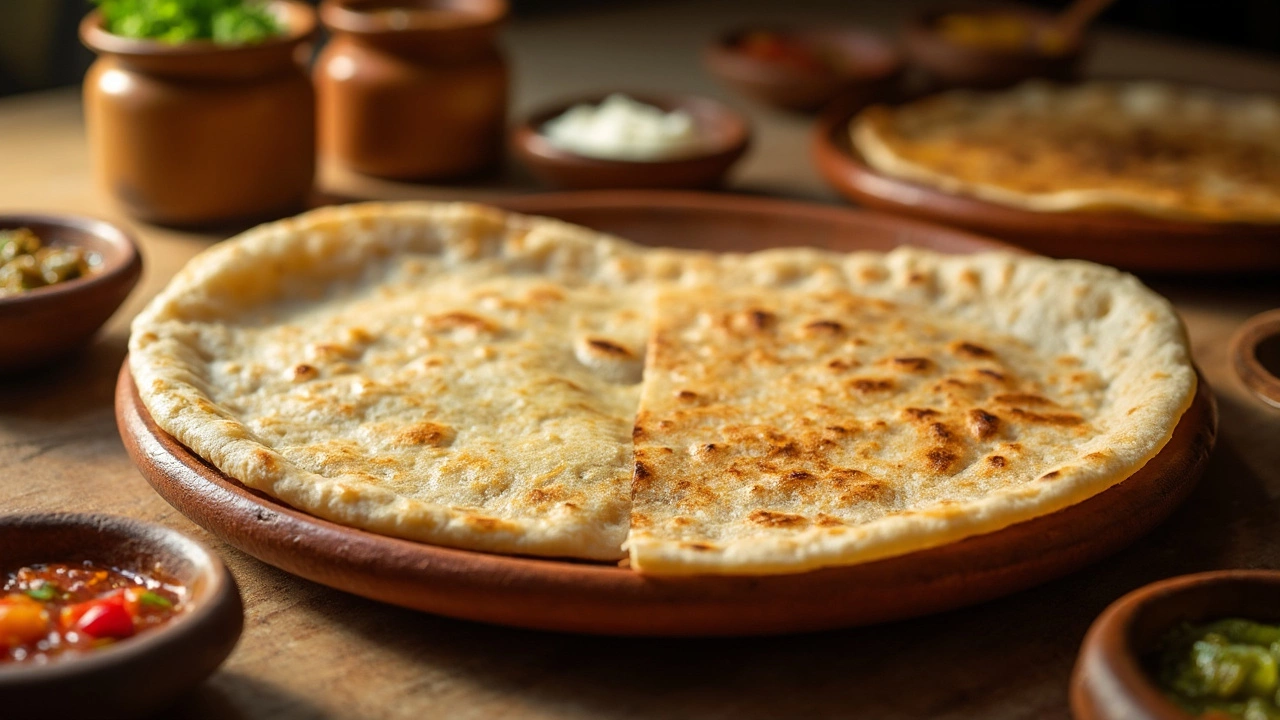
Roti vs Naan: Which Is Healthier For Your Plate?
Curious about whether roti or naan is better for your health? This article breaks down the main differences between the two, including ingredients, cooking methods, and nutrition points. Learn about calorie counts, fiber, and what really happens when you swap one flatbread for the other. Plus, get easy tips for making your next Indian meal a little lighter without giving up taste. Perfect for anyone watching calories or just looking for smart food swaps.
learn more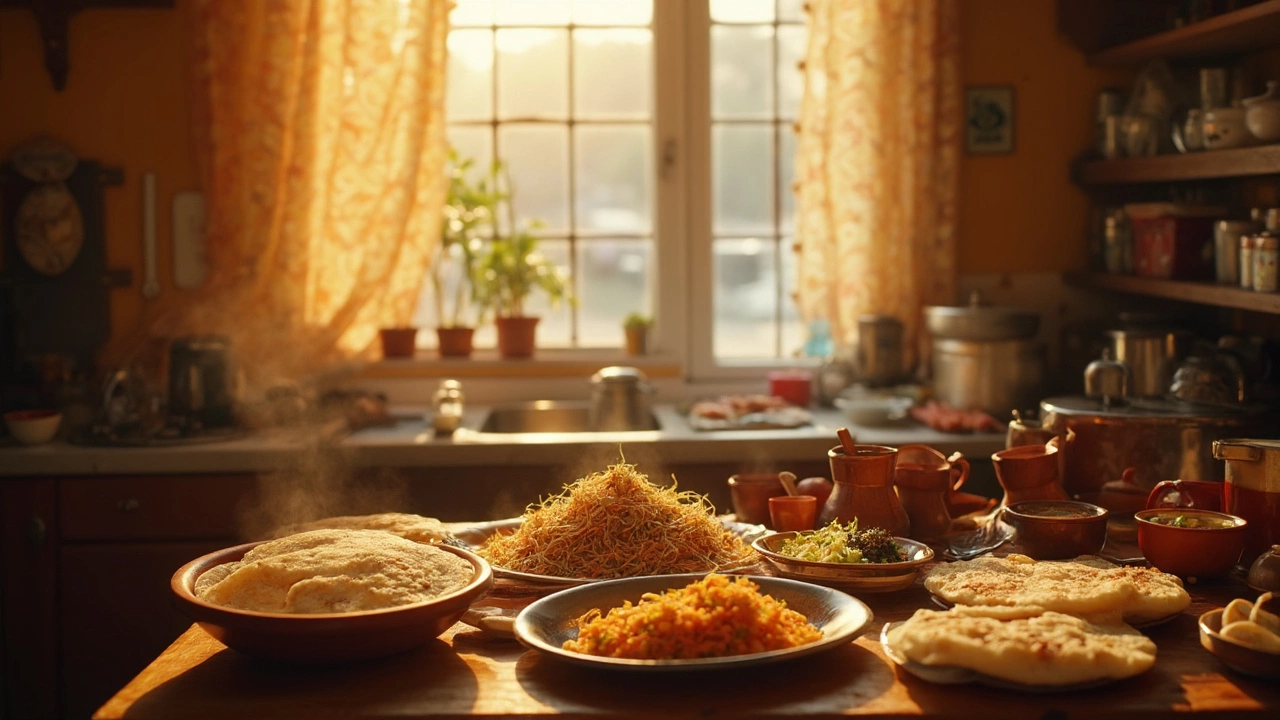
World's No 1 Healthy Breakfast: Quick Indian Options That Work
Trying to figure out the world's healthiest breakfast? This article cuts through the trends, highlighting simple, fast, and nutrition-packed Indian breakfast ideas. You'll find options that are ready in minutes without compromising on taste or health. Expect surprising facts, a few easy tips, and relatable meal swaps for your mornings. Make every breakfast a tiny celebration for your body and busy schedule.
learn more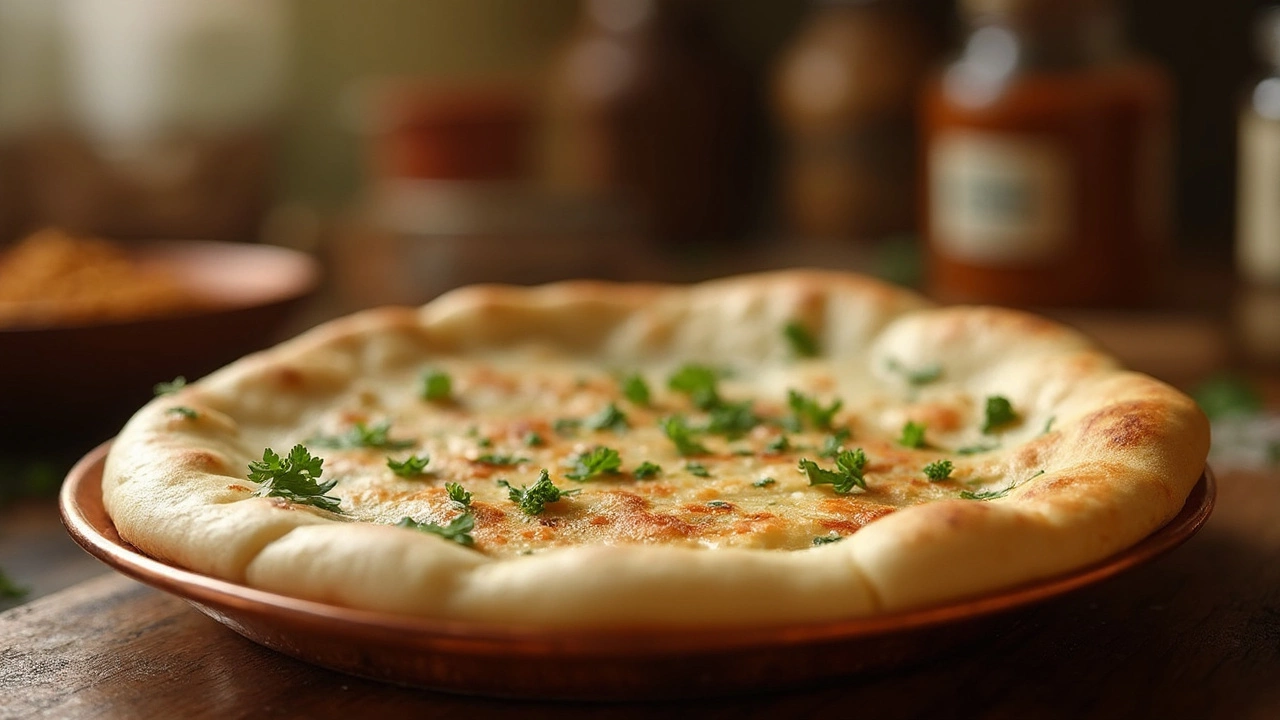
Is Naan Healthy? Exploring the Facts Behind this Popular Indian Snack
Naan, a staple in Indian cuisine, is loved for its soft, chewy texture and mild flavor. But when it comes to health, opinions vary. This article explores if naan can fit into a healthy diet, considering its nutritional content and popular alternatives. We’ll delve into how different variations impact health and offer tips for making naan a nutritious choice. Whether you're a health enthusiast or just curious about your favorite bread, this guide will provide insightful answers.
learn more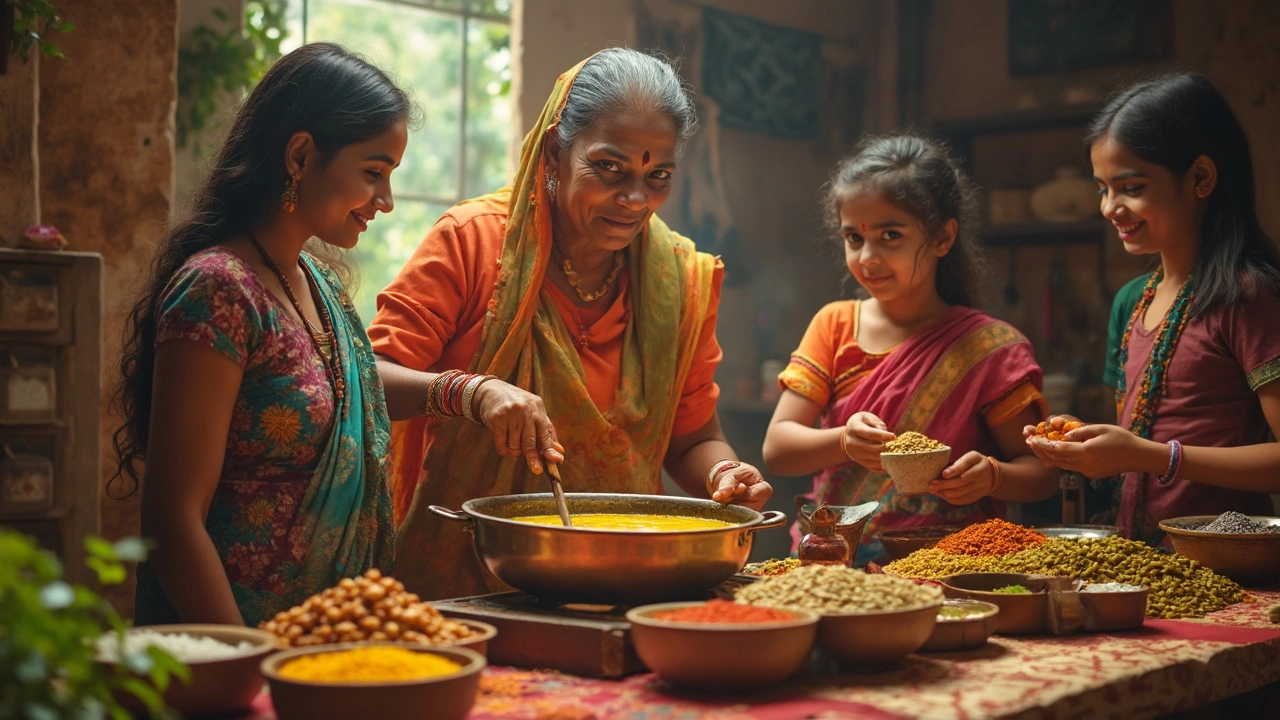
Disadvantages of Eating Dal Daily
While dal is a nutritious staple in many diets, eating it every day may have potential drawbacks. These can range from nutritional imbalances to digestive issues, depending on portion sizes and preparation methods. It's crucial to be mindful of how eating dal daily might affect protein diversity and micronutrient intake. The article explores these concerns and provides practical tips for integrating dal into a balanced diet. Understanding these aspects can help people enjoy dal without compromising their health.
learn more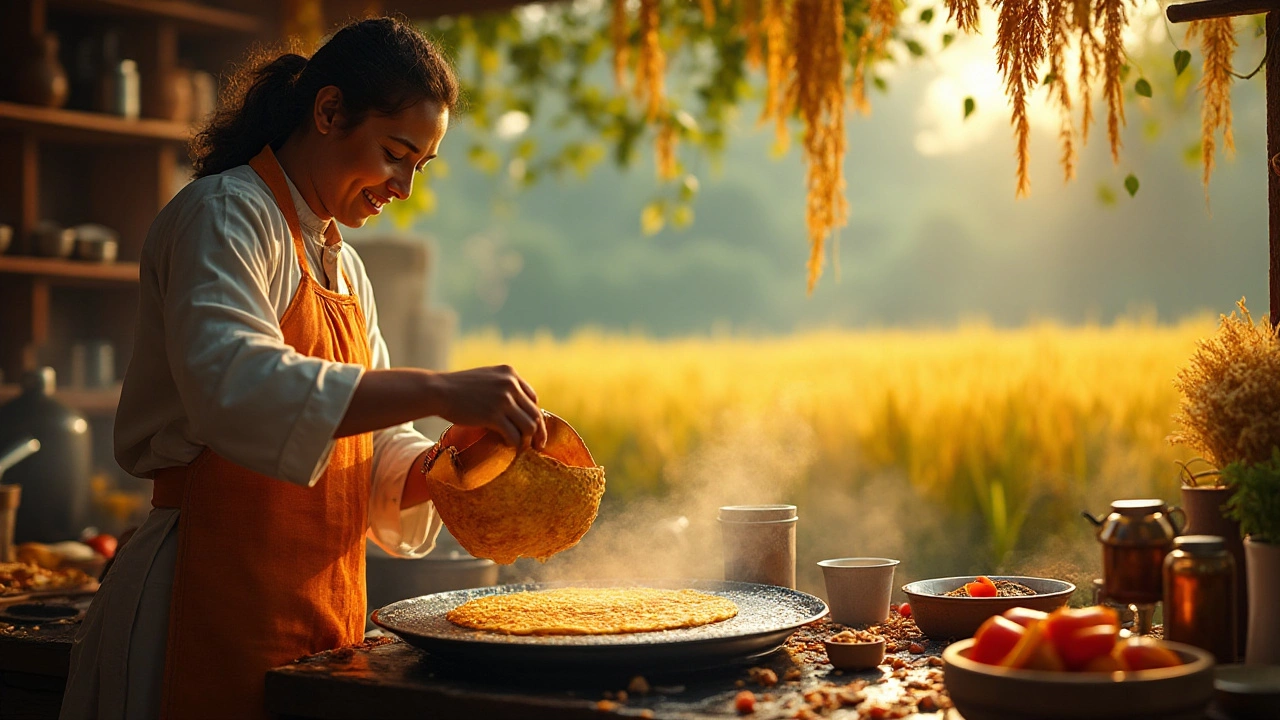
Dosa vs Rice: Which is the Healthier Choice?
Dosa, a beloved Indian crepe, often competes with rice as a staple in many meals. Both foods are made from similar ingredients but differ in preparation, nutritional content, and health benefits. Understanding the differences can help you make informed dietary choices. This article explores the nutritional facts and health benefits of dosa and rice, including interesting facts and tips on how to prepare healthy versions of these staples.
learn more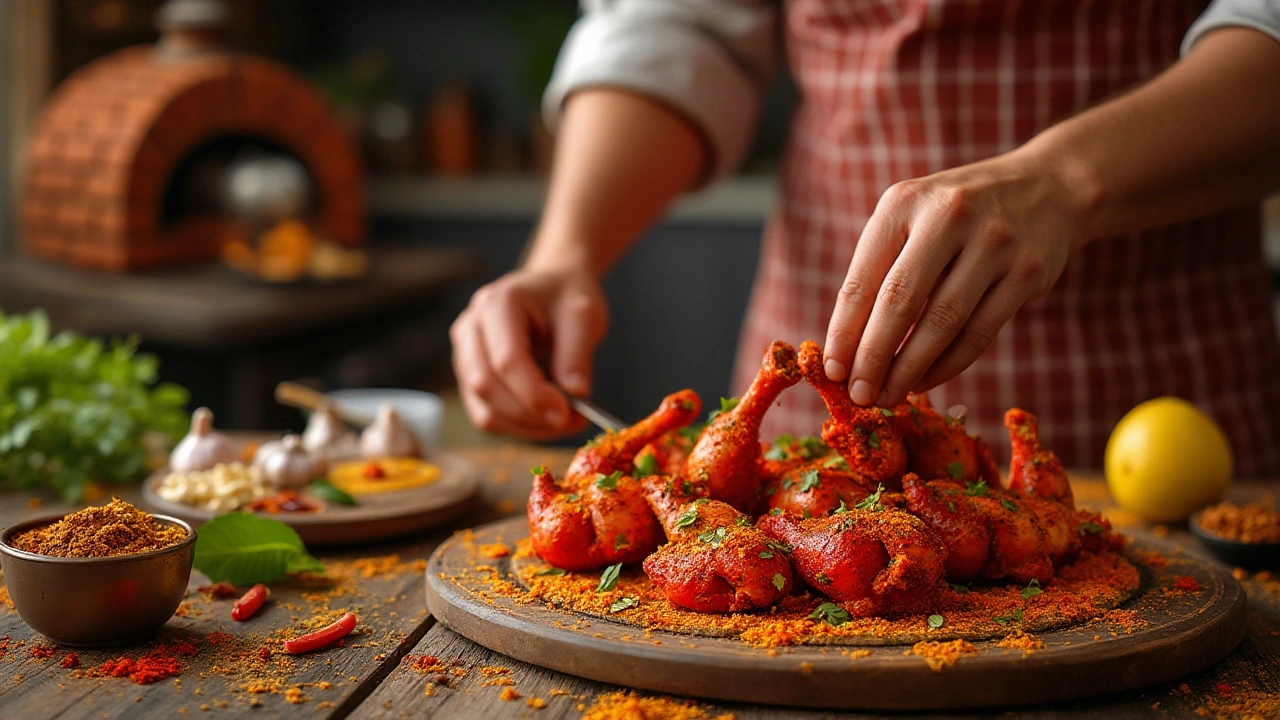
Is Tandoori Chicken Healthy? An In-Depth Exploration
Tandoori chicken is a beloved dish in Indian cuisine, known for its flavorful spices and smoky aroma. While delicious, many people wonder about the health implications of including tandoori chicken in their diet. This article explores the nutritional profile of tandoori chicken, its potential health benefits, and tips on preparing a healthier version at home. By understanding its ingredients and cooking methods, you can enjoy this spicy delight in a way that aligns with your health goals.
learn more