Non-Veg Ban in Vrindavan: What It Means for Indian Food Culture
When you hear about the non-veg ban in Vrindavan, a local restriction on selling or consuming meat in a major Hindu pilgrimage site. Also known as meat prohibition in religious zones, it’s not just a rule—it’s a reflection of how faith shapes daily food choices for millions in India. This isn’t a random policy. It’s tied to centuries-old beliefs around purity, non-violence, and devotion. In places like Vrindavan, where Krishna is said to have played as a child, food isn’t just fuel. It’s part of worship. And that means meat, even if it’s just chicken or fish, gets left out—not because people can’t eat it, but because the environment asks them not to.
This ban doesn’t mean everyone in India is vegetarian. In fact, South Indian cuisine, a diverse culinary tradition from states like Karnataka, Tamil Nadu, and Andhra Pradesh, includes plenty of non-vegetarian dishes—from fish curries in coastal Kerala to mutton biryani in Hyderabad. But in temple towns, the rules shift. You’ll find the same people who eat chicken at home in Mysore or Coimbatore choosing vegetarian meals when they visit Vrindavan. It’s not about personal preference—it’s about context. The religious food restrictions, rules tied to sacred spaces that limit certain foods to maintain spiritual cleanliness are strict, and they’re respected. Even if you’re not religious, walking into a place like Vrindavan means you follow the local code. That’s why you won’t find a single meat stall near the temples, and why even hotels serve only vegetarian meals.
What’s interesting is how this contrasts with everyday Indian eating habits. While Vrindavan avoids meat, vegetarian India, the vast population that eats plant-based meals daily, not always for religion but for habit, economy, or health feeds itself on rice, dal, roti, and vegetables. Millions eat vegetarian food not because of a ban, but because it’s what they’ve always eaten. The non-veg ban in Vrindavan doesn’t change that—it just highlights it. You’ll find the same people who skip meat in Vrindavan enjoying paneer butter masala in Delhi or chicken curry in Bangalore. The rules change with the place, not the person.
So what does this mean for you? If you’re cooking Indian food at home, you don’t need to follow Vrindavan’s rules. But if you’re visiting, you’ll see how food becomes a language of respect. And if you’re curious about why Indian meals vary so much from region to region, this ban is a clue. It’s not about what’s forbidden—it’s about what’s sacred. Below, you’ll find real recipes and cooking tips from across India, from crispy dosas to spiced biryanis, all made without meat—or with it, depending on where you are. The food doesn’t change. The context does.
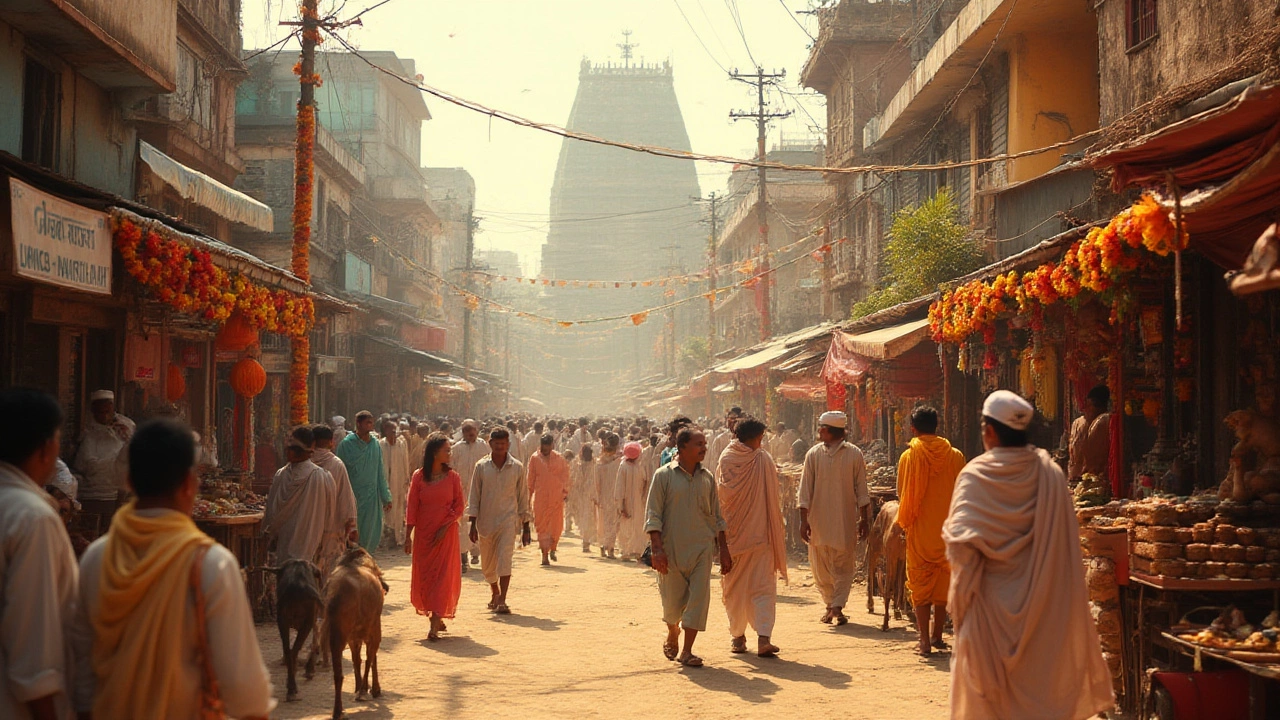
Is Non-Veg Food Banned in Vrindavan? Law, Culture & What Visitors Must Know
Discover if non-veg is actually banned in Vrindavan, the laws behind it, the local culture, and what every traveler should expect. Real talk, straight answers.
learn more