Natural Anti-Inflammatories: Foods That Fight Pain and Swelling
When your body aches from daily stress, old injuries, or just plain aging, you don’t always need pills. natural anti-inflammatories, foods and spices that reduce swelling and pain in the body without synthetic drugs. Also known as anti-inflammatory foods, they work by calming the body’s overactive immune response—something science now confirms daily. The best ones aren’t fancy supplements. They’re the spices in your kitchen, the lentils in your pot, the ginger you grate into tea.
Take turmeric, a bright yellow spice central to Indian cooking and a powerful inhibitor of inflammatory pathways. Also called haldi, it’s the reason curry smells like warmth and healing. Studies show its active compound, curcumin, works as well as some anti-inflammatory drugs—without the stomach upset. But turmeric alone doesn’t do much. It needs black pepper to unlock its power, and fat to be absorbed. That’s why it’s always cooked into dal, rice, or yogurt-based dishes. Then there’s ginger, a root used for centuries to soothe sore joints and digestion. Also known as adrak, it’s not just for tea—it’s fried in oil at the start of curries, ground into chutneys, and added to rice for its sharp, clean heat. And then there’s lentils, a humble pulse that’s rich in fiber and antioxidants that lower inflammation markers. Also known as dal, they’re the everyday food that feeds millions in India—not because they’re trendy, but because they work. These aren’t outliers. They’re the backbone of meals that have kept people moving for generations.
You won’t find magic in a bottle. The real power is in how these ingredients combine. Turmeric in lentil soup. Ginger in a dosa batter. Black pepper sprinkled over rice. These aren’t random choices—they’re ancient recipes built on observation, not marketing. The posts below show you exactly how to use these foods in real meals: how to make turmeric dal that actually fights inflammation, how to use ginger in everyday cooking, and why skipping black pepper wastes the whole point. You’ll also find how to fix common mistakes that make these foods less effective, like boiling turmeric too long or using old spices. This isn’t theory. It’s what works on the stove, in the kitchen, and in your body.
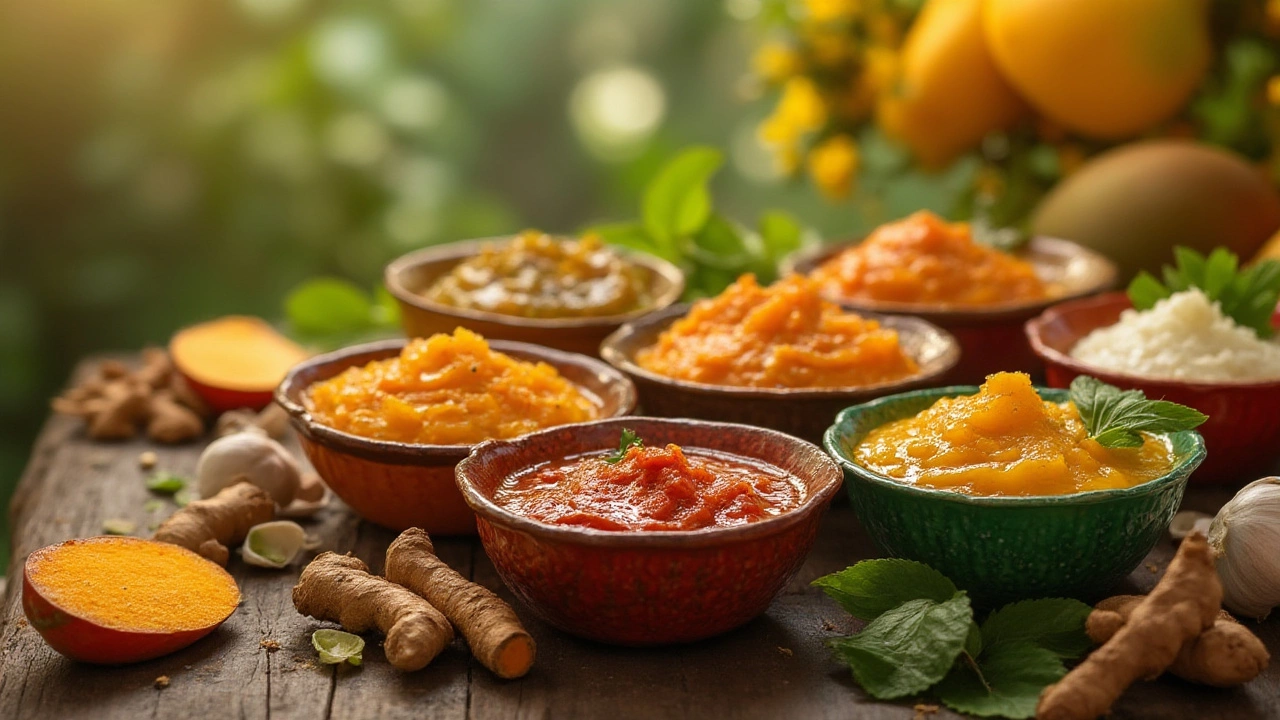
Is Chutney Anti-Inflammatory? Exploring Health Benefits & Ingredients
Wondering if chutney is anti-inflammatory? Discover the science and ingredients behind this vibrant Indian condiment and what it can do for your health.
learn more