National Sweets of India
When you think of national sweets of India, handmade, sugar-drenched desserts that vary by region but unite the country in flavor. Also known as mithai, these sweets aren’t just desserts—they’re part of celebrations, rituals, and everyday joy. You won’t find them in fancy bakeries. You’ll find them in street stalls in Mysore, family kitchens in Lucknow, and temple langars in Punjab. Each bite carries generations of technique, from slow-cooked syrup to hand-rolled dough.
Take jalebi, a deep-fried swirl soaked in saffron syrup, crisp outside and syrupy inside. It’s eaten warm, often with a side of rabri. Then there’s gulab jamun, soft milk-solid balls fried and soaked in cardamom-scented syrup. They’re not just sweet—they’re comforting. And rasgulla, spongy cheese balls boiled in light sugar syrup, originating in Bengal, melt in your mouth like cloud candy. These aren’t just recipes. They’re cultural markers. You can’t talk about Indian sweets without mentioning the role of khoya, jaggery, and cardamom. You can’t explain their texture without understanding fermentation, slow simmering, or the exact heat needed to fry dough without burning it.
Some of these sweets, like phool jhadi, are fading. Made by hand with spun sugar and rose water, it’s the Indian version of cotton candy—but nearly gone today. Others, like barfi or ladoo, are everywhere, but each region has its own twist. In Mysore, you’ll find mysore pak made with ghee and sugar, not flour. In Gujarat, it’s besan ladoo with roasted gram flour. In Tamil Nadu, it’s kozhukattai made with rice flour and coconut. These aren’t random variations. They’re tied to local crops, climate, and tradition. And yes, they all have shelf lives. Some last weeks in the fridge. Others go bad in a day if the syrup isn’t cooked right.
What you’ll find in the posts below isn’t just a list of names. It’s the real talk about how these sweets are made, why they stick together or crumble, how to store them without getting sticky, and which ones actually taste better the next day. You’ll learn why some sweets need overnight fermentation, why sugar syrup temperature matters more than you think, and which ones are best eaten fresh. No fluff. No myths. Just what works—and what doesn’t—when you’re making national sweets of India at home.
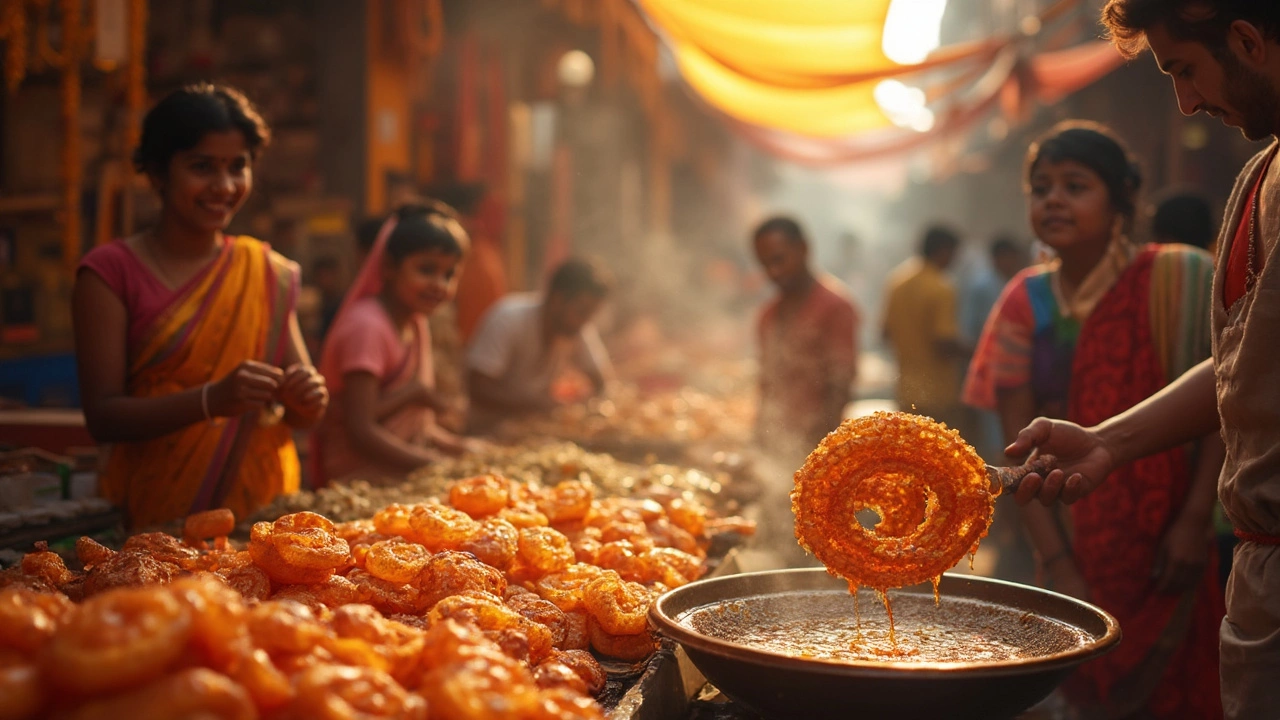
Discover India's National Sweets: A Sweet Journey
Dive into the sweet world of Indian cuisine and explore its national sweets! From the aromatic Jalebi to the creamy goodness of Kheer, learn about the diverse and delightful desserts of India. Each sweet holds a unique story and flavor, reflecting the rich cultural heritage of the nation. Join this flavorful adventure and uncover tips and recipes to try at home. Satisfy your sweet tooth while indulging in tradition.
learn more