National Cuisine: Discover the Real Foods That Define India's Daily Table
When we talk about national cuisine, the collection of traditional dishes and eating habits that represent a country’s identity. Also known as folk cuisine, it’s not about restaurant menus or festival feasts—it’s what people cook at home, eat for breakfast, and rely on to get through the day. In India, national cuisine isn’t one dish. It’s roti with dal, idli with chutney, rice with sambar, dosa with coconut milk curry. These aren’t optional specialties—they’re the backbone of daily life for over a billion people.
What makes Indian national cuisine, the collection of traditional dishes and eating habits that represent a country’s identity. Also known as folk cuisine, it’s not about restaurant menus or festival feasts—it’s what people cook at home, eat for breakfast, and rely on to get through the day. so powerful isn’t the spice level or the complexity. It’s simplicity, repetition, and deep-rooted tradition. The same rice and lentils you find in a village kitchen in Tamil Nadu show up in a Mumbai apartment, just with a different spice blend. South Indian dishes, a regional category of Indian food centered on rice, lentils, coconut, and tamarind, often served with chutneys and sambar. Also known as Dravidian cuisine, it includes dosa, idli, and upma—foods that start most mornings across Karnataka, Kerala, and Andhra. Meanwhile, Indian staple foods, the everyday ingredients that form the foundation of most meals, like rice, wheat, lentils, and vegetables. Also known as daily carbs, they’re the reason Indian meals are filling, affordable, and sustainable. don’t change much across regions. You’ll find rice in the south, roti in the north, but both are eaten with dal. That’s the real thread.
What you won’t find in this collection are over-the-top gourmet versions of biryani or butter chicken. Instead, you’ll find the honest, practical truths behind how real Indian meals are made. Why lemon in biryani isn’t optional. Why dosa batter needs exactly a 1:3 ratio of rice to urad dal. Why lentils cause gas—and how to fix it. These aren’t tricks. They’re the unspoken rules passed down through generations. You’ll also see how chutney isn’t just a side—it’s the flavor anchor for everything from breakfast to snacks. And you’ll learn why paneer, not halloumi, is the cheese that actually belongs in Indian kitchens.
This isn’t a list of exotic dishes. It’s a map of what actually feeds India. Every post here answers a real question someone had while cooking: Why won’t my dosa crisp up? What’s the one ingredient that makes curry taste like home? What do Indians eat most? If you’ve ever wondered how to make Indian food taste like it does in someone’s kitchen—not a restaurant—this is where you start.
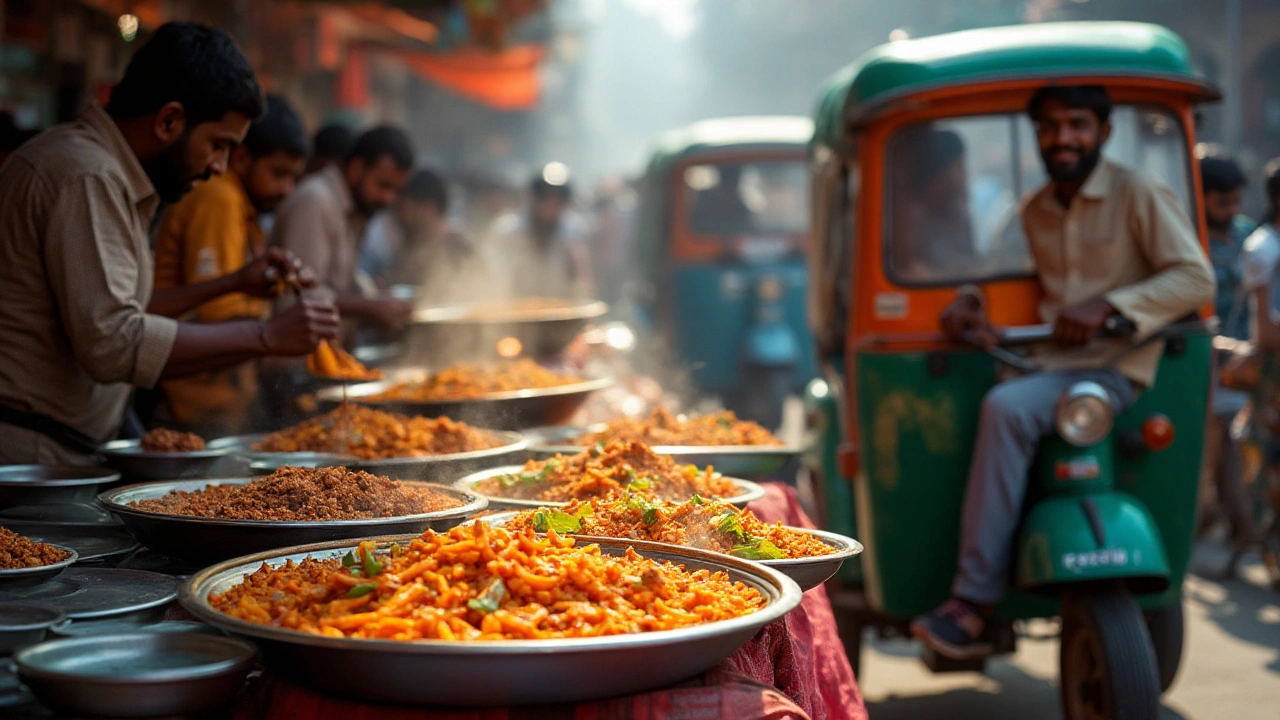
Exploring India's National Cuisine: The Essence of Its Vibrant Street Food
India's food panorama is vividly represented by its bustling street food scene, which is often seen as an emblem of its national cuisine. This exploration takes us through the diverse and colorful dishes that make up India's street food culture, spanning cities and regions. From the iconic spicy chaat of Delhi to the flavorful dosa from the south, each bite tells a story. These culinary experiences blend tradition with local tastes and have become a major attraction for both locals and tourists craving authentic flavors.
learn more