Naan or Rice Healthier: Which Staple Really Wins for Your Diet?
When it comes to naan or rice healthier, two of India’s most common daily carbs that fuel millions of meals. Also known as Indian bread versus grain staples, they’re both central to how people eat—whether it’s a simple dal with rice or buttery naan dipped in curry. But which one actually does more for your body? It’s not about what’s traditional—it’s about what’s in it.
Rice, especially brown or parboiled basmati, is a low-fat, high-energy grain that digests slowly when unprocessed. It’s the base for biryani, idli, and everyday meals across South India. On the flip side, naan, a leavened flatbread baked in a tandoor, is richer in fat and calories thanks to yogurt, ghee, and sometimes sugar. While it’s delicious, it’s also more processed—often made with refined flour and baked with added oils. If you’re watching blood sugar or trying to cut down on empty calories, rice—especially whole grain—often wins. But if you’re eating it with protein-rich curries and vegetables, both can fit into a balanced plate.
Let’s not forget portion size. A single piece of naan can equal two cups of cooked rice in calories. And while rice has fiber if it’s brown or red, most naan is made from white flour, which spikes blood sugar fast. People in Mysore and beyond eat rice daily without guilt because it’s paired with lentils, vegetables, and spices that slow digestion. Naan? It’s usually reserved for special meals or as a vehicle for rich gravies.
There’s also the issue of fermentation. Traditional dosa batter, made from rice and urad dal, ferments naturally—boosting nutrient absorption and easing digestion. Naan? It’s yeast-leavened, which doesn’t offer the same gut benefits. And if you’ve ever had a bloated feeling after a naan-heavy meal, that’s not just the curry—it’s the refined flour working against you.
So, is one better? If you’re eating rice with dal, veggies, and a bit of ghee, you’re getting a complete, balanced meal. If you’re eating two naans with a side of plain yogurt, you’re missing out on fiber and loading up on carbs and fat. The real trick isn’t picking one over the other—it’s understanding how they’re made, what they’re eaten with, and how much you’re eating.
Below, you’ll find real guides from people who cook these foods every day—how to make rice fluffy without mushing it, why dosa batter needs fermentation, and how to cut down on oil in naan without losing flavor. These aren’t theories. They’re kitchen-tested fixes from families who’ve been feeding their households with these staples for generations. Whether you’re trying to eat cleaner, manage weight, or just understand what’s on your plate, the answers are here.
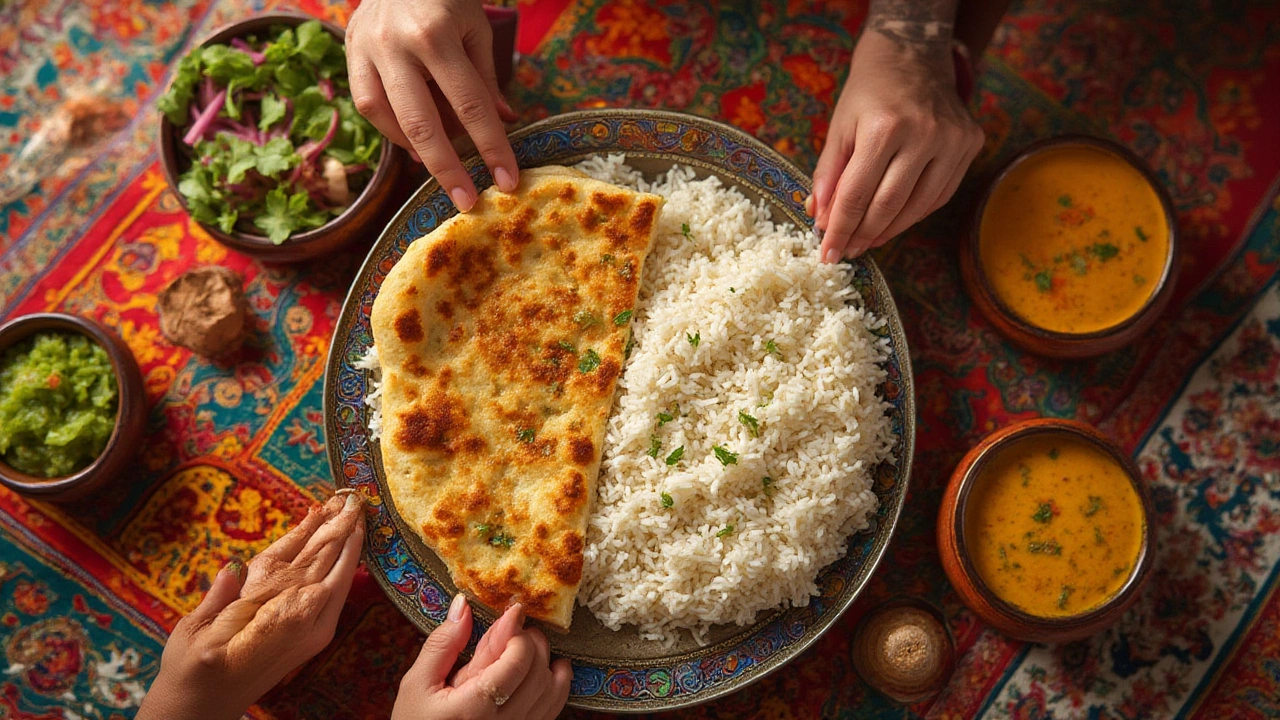
Naan vs. Rice: Which Is Healthier for You?
Is naan really better than rice? This article breaks down the nutritional facts, calorie counts, and health tips to help you pick what's best for your plate.
learn more