Mexican Salsa: Authentic Recipes, Ingredients, and Pairings
When you think of Mexican salsa, a vibrant, fresh condiment made from tomatoes, chiles, onions, and cilantro, often served with tortilla chips or as a topping for tacos and grilled meats. Also known as salsa roja, it’s not just a dip—it’s the soul of Mexican street food. But here’s the twist: you don’t need to be in Mexico to make it taste right. The same principles that make a perfect dosa batter—balance, fermentation, and timing—apply here too. Too much vinegar? It kills the freshness. Underripe tomatoes? You lose the sweetness that lets the heat shine. This isn’t about following a rigid recipe. It’s about understanding how each ingredient speaks to the next.
At its core, Mexican salsa, a vibrant, fresh condiment made from tomatoes, chiles, onions, and cilantro, often served with tortilla chips or as a topping for tacos and grilled meats. Also known as salsa roja, it’s not just a dip—it’s the soul of Mexican street food. But here’s the twist: you don’t need to be in Mexico to make it taste right. The same principles that make a perfect dosa batter—balance, fermentation, and timing—apply here too. Too much vinegar? It kills the freshness. Underripe tomatoes? You lose the sweetness that lets the heat shine. This isn’t about following a rigid recipe. It’s about understanding how each ingredient speaks to the next.
Most people think salsa is just chopped tomatoes with a dash of spice. But the real magic happens in the chile peppers, the backbone of flavor in Mexican cuisine, ranging from mild poblanos to fiery habaneros, each bringing a unique heat and aroma. A good salsa doesn’t just burn—it layers flavor. Roasted garlic, toasted cumin, a pinch of sugar to round it out—these aren’t optional. They’re the hidden steps that turn a basic mix into something that makes you pause mid-bite. And don’t forget the cilantro, a fresh herb that cuts through richness and adds a bright, citrusy note essential to authentic salsa. Some people hate it. But if you skip it, you’re not making salsa—you’re making tomato sauce with peppers.
You’ll find posts here that dig into how to fix a bland batch, how to store it without losing crunch, and even how to use it beyond tacos. One post shows you how to make salsa verde with tomatillos instead of tomatoes. Another explains why letting it sit overnight isn’t just tradition—it’s chemistry. And yes, there’s one that compares it to Indian chutneys. Because if you’ve ever eaten a tangy mint chutney with a samosa, you already know what balance tastes like. Mexican salsa isn’t foreign. It’s just another kind of flavor bridge.
Whether you’re pairing it with grilled paneer, stirring it into dal, or just eating it straight off the spoon with a spoon, this collection gives you the tools to make it right—not just once, but every time. No fancy gadgets. No imported ingredients. Just the same kitchen you already have, and the confidence to trust your taste.
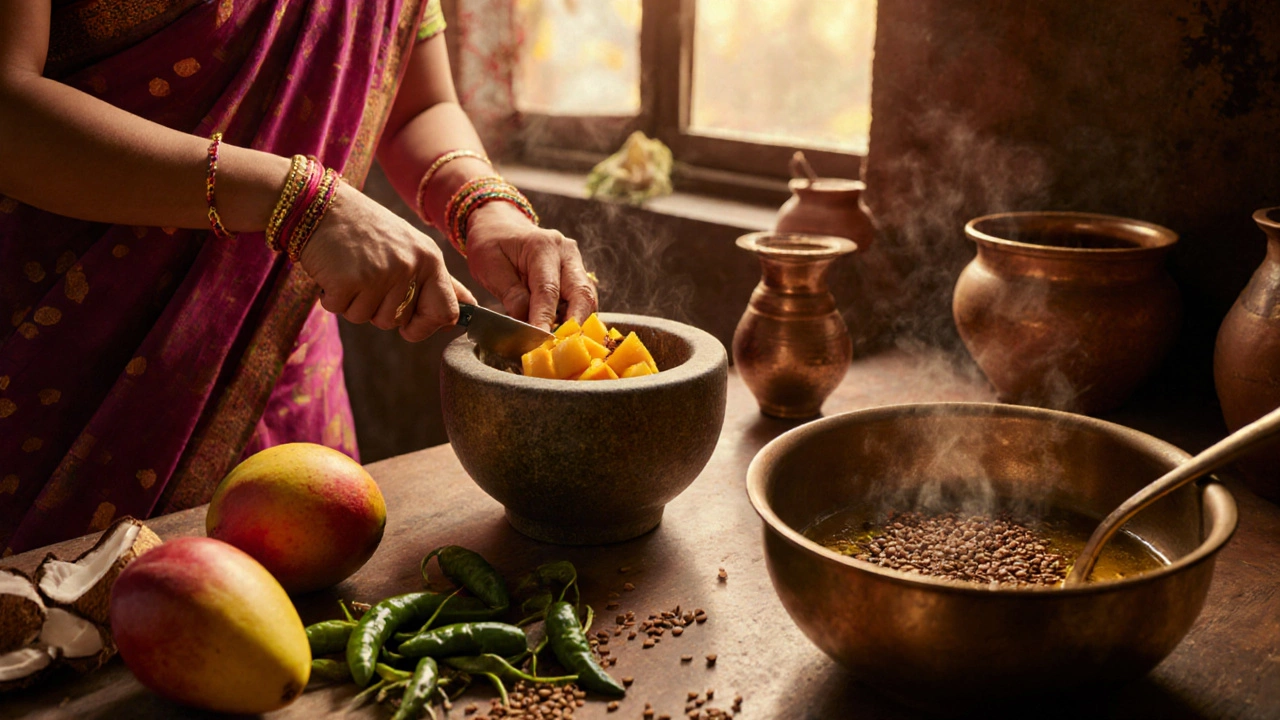
Is Salsa a Chutney? The Real Difference Between Two Popular Condiments
Salsa and chutney look similar but come from different culinary worlds. Learn why they're not interchangeable and what makes each one unique in flavor, ingredients, and tradition.
learn more