Mediterranean Indian Cheese: What It Is and How It Fits Into Indian Cooking
When people say Mediterranean Indian cheese, a hybrid term that doesn’t exist in traditional Indian cuisine but points to paneer’s role as a versatile, fresh cheese used across cultures. Also known as Indian cottage cheese, it’s the only cheese that truly belongs in Indian kitchens—not because it came from the Mediterranean, but because it’s been feeding families in Mysore, Chennai, and Delhi for centuries. Paneer isn’t melted like mozzarella or aged like cheddar. It’s firm, crumbly, and holds its shape in curries, grills, and even sweets. You’ll find it in Paneer Butter Masala, Paneer Tikka, and even fried with spices as a breakfast side. It’s the protein backbone of countless vegetarian meals, and unlike Western cheeses, it’s made with lemon juice or vinegar—not rennet—making it naturally vegetarian and easy to prepare at home.
What makes paneer so special isn’t just how it’s made, but how it’s used. It absorbs spices like a sponge, so it carries the flavor of cumin, turmeric, and garam masala without overpowering them. That’s why it works so well in dishes that also use coconut milk, yogurt, or tomato-based gravies. You’ll see it paired with bell peppers in North Indian curries, tossed into South Indian stir-fries, or even crumbled into chutneys. It’s not a Mediterranean import—it’s a homegrown solution to needing a solid, non-melting cheese in a cuisine that rarely uses dairy as a topping or garnish. And while some might try to call it feta or halloumi by mistake, those cheeses behave differently under heat. Halloumi sizzles. Feta crumbles salty. Paneer just… holds on. That’s why it’s the only cheese you’ll find in 90% of Indian homes that cook vegetarian.
There’s a reason you won’t find Mediterranean cheese in a Mysore kitchen. But you will find paneer in every one. And if you’ve ever tried to substitute it with mozzarella or ricotta, you know it doesn’t work—the texture fails, the flavor gets lost. That’s why recipes here focus on how to make paneer from scratch, what to use when you’re out of lemon juice, and how to stop it from falling apart in your curry. The posts below cover everything from the exact ratio of milk to acid for perfect curds, to how to grill it without sticking, to what Indian dishes it pairs with best. You’ll also find why some people mix it with coconut milk, how to store it so it lasts, and which spices bring out its quiet, milky flavor. This isn’t about fusion. It’s about understanding what works, why it works, and how to make it right in your own kitchen.
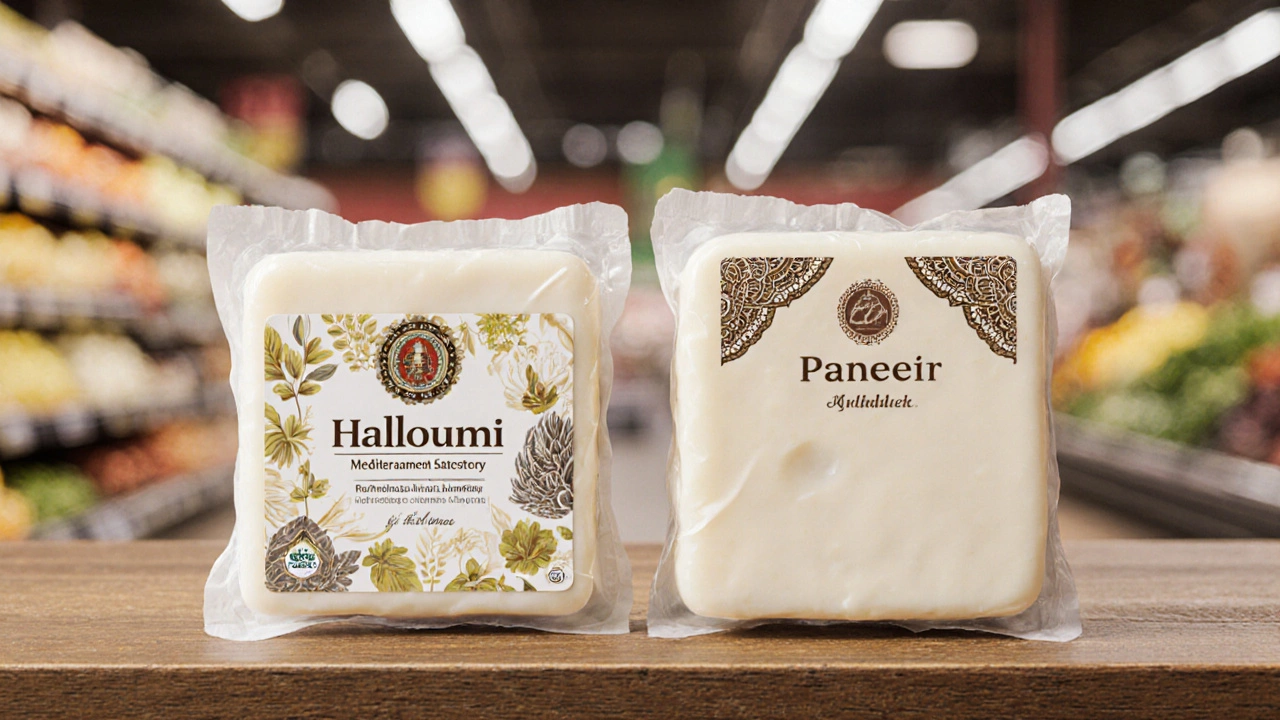
Halloumi vs Paneer: Are They the Same?
Explore the key differences between halloumi and paneer, from origins and production to taste, nutrition, and cooking tips.
learn more