Meat Regulations India: What You Need to Know About Selling and Cooking Meat
When you buy meat in India, you’re not just picking up a cut of chicken or goat—you’re engaging with a system shaped by meat regulations India, a set of legal and health standards governing how meat is sourced, processed, sold, and labeled across the country. Also known as meat safety laws, these rules exist to protect consumers from contamination, mislabeling, and unsafe handling practices. Unlike in some countries where meat is heavily industrialized, India’s meat industry is a mix of small butchers, local markets, and regulated slaughterhouses—all operating under state-level rules that vary widely.
One of the biggest things people don’t realize is that meat handling laws, the guidelines for how meat is stored, transported, and prepared to prevent spoilage and disease, are enforced differently in every state. In Karnataka, for example, meat markets must display hygiene certificates, while in Uttar Pradesh, certain cuts can only be sold during specific hours. Then there’s meat sourcing India, the process of where meat comes from—whether it’s from licensed slaughterhouses, backyard butchers, or unregulated vendors. The law says meat should come from government-approved facilities, but in practice, many households still buy from local vendors without knowing if those vendors are even registered.
And it’s not just about where the meat comes from—it’s about how it’s labeled. meat labeling India, the requirement to clearly state the type of meat, origin, and date of slaughter is often ignored. You might walk into a shop and see "chicken" on the counter, but without a label, you have no way of knowing if it’s broiler, country chicken, or even something else entirely. This lack of transparency is why many home cooks in Mysore and beyond prefer to buy whole animals or specific cuts directly from trusted butchers.
These regulations don’t just affect supermarkets—they impact your kitchen too. If you’re making tandoori chicken or a rich goat curry, you need to know your meat is fresh, properly chilled, and handled safely. The same rules that govern a butcher shop also apply to how long you marinate meat, whether you use metal bowls, or if you leave it out overnight. Poor handling doesn’t just ruin flavor—it can make you sick.
What you’ll find in this collection isn’t just recipes—it’s the real-world context behind every piece of meat you cook. From how to tell if your chicken is legally sourced to why some butchers won’t sell beef in certain neighborhoods, these posts connect the dots between what’s on your plate and what’s written in the law. You’ll learn how to shop smarter, cook safer, and understand why some dishes are harder to make in one city than another. This isn’t about bureaucracy—it’s about eating well, legally, and without worry.
Banned Meats in India: What You Need to Know
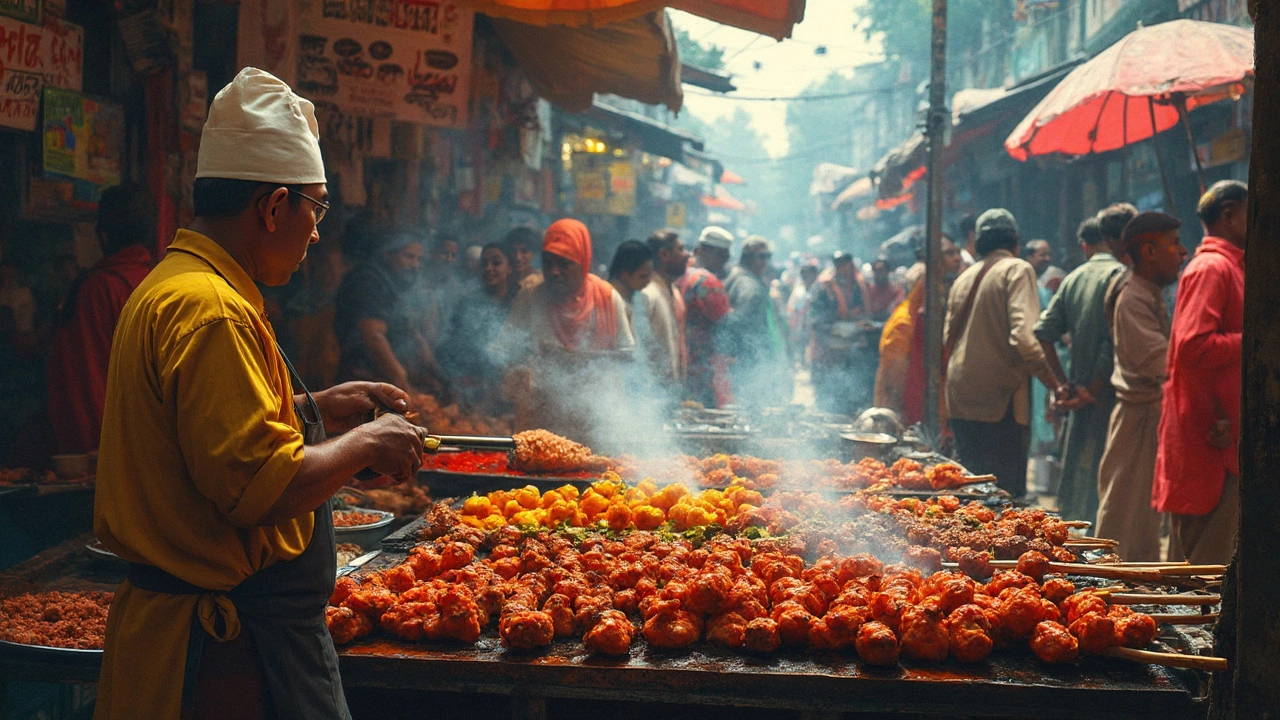
India's flavorful street food often includes a wide variety of meats, but not all are legal to sell or consume. Beef is the most well-known banned meat in many Indian states, driven by cultural and religious beliefs. The complex regulations around meat can vary significantly from one state to another, making it essential to know the local laws. This article dives into the banned meats across India and how they influence the vibrant street food scene.
learn more